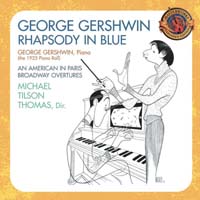
ALBUM NOTESGeorge Gershwin experiments boldly on George Gershwin Plays Rhapsody In Blue (using The
George Gershwin Plays Rhapsody In Blue (using The - Album Overview
George Gershwin's "Rhapsody in Blue," first premiered in 1924, stands as a monumental work in the American classical music lexicon, blending jazz elements with classical structures. The album "George Gershwin Plays Rhapsody In Blue," released in 1959 under the Columbia Records label, features Gershwin himself at the piano, showcasing his innovative approach to composition. The recording is significant not only for its artistry but also for its role in solidifying Gershwin's legacy as a pioneer of American music. The album includes the iconic "Rhapsody in Blue" along with a selection of Gershwin’s other works, allowing listeners to experience his unique style and the influence of jazz on classical music. Collaborators on the project include notable orchestral musicians and arrangers who helped bring Gershwin’s vision to life. This recording serves as an essential document of Gershwin’s musical genius and his ability to transcend genres, reflecting the cultural melting pot of early 20th century America. The album has continued to inspire generations of musicians, reinforcing Gershwin's status as a key figure in the evolution of American music.
Review
Gershwin's performance on this album captures the essence of his artistic vision, merging the spontaneity of jazz with the precision of classical music. The orchestration is lush, yet there are moments of raw energy, particularly in the famous opening clarinet glissando that sets the tone for the entire piece. Gershwin's own pianistic flair shines through, combining intricate melodies with rhythmic vitality. While the orchestral accompaniment is competent, it sometimes feels overshadowed by Gershwin's dynamic playing. The album does not feature lyrics, as it is primarily instrumental, but the emotive qualities of the music convey a narrative that transcends words. The production is a testament to Gershwin's innovative spirit, as it captures the vibrancy and complexity of his compositions, making "George Gershwin Plays Rhapsody In Blue" a vital listening experience for both classical and jazz enthusiasts.
Highlights
- Gershwin's virtuosic piano performance, showcasing his technical skill and emotional depth.
- The seamless blend of jazz and classical elements that defines the album’s unique sound.
- The historical significance of the album in cementing Gershwin's legacy in American music.
Weak points
- Occasional moments where the orchestration feels less engaging compared to Gershwin’s piano solos.
- Lack of variety in the selection of tracks may leave some listeners wanting more diversity.
- The production quality, while good for its time, may seem dated to modern audiences.
Overall evaluation
"George Gershwin Plays Rhapsody In Blue" is a landmark recording that encapsulates the brilliance of Gershwin's artistry. Despite minor shortcomings, it remains a vital piece of musical history.
Personal rating: 8/10