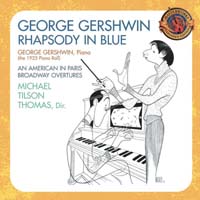
ALBUM NOTESA closer look at George Gershwin's album Concerto In F / Rhapsody In Blue
Concerto In F / Rhapsody In Blue- Album Overview
George Gershwin's "Concerto In F / Rhapsody In Blue," released in 1924, stands as a seminal work that marries classical music with jazz influences, marking a pivotal moment in American music history. The album features two of Gershwin’s most celebrated compositions: "Rhapsody In Blue," which was initially commissioned by Paul Whiteman and first performed by the band on February 12, 1924, and "Concerto In F," which he completed later that same year. This fusion of genres not only showcases Gershwin's innovative style but also reflects the cultural landscape of 1920s America, a time of great social change and artistic exploration.
The recordings were made under the Columbia Records label, with the orchestral accompaniment provided by top-tier musicians of the time. The album features prominent soloists, including the virtuoso pianist Oscar Levant, who played a crucial role in bringing Gershwin's genius to life. "Rhapsody In Blue" is especially notable for its use of the blues scale and its sweeping, lyrical melodies, which have made it a staple in concert repertoire. Meanwhile, "Concerto In F" further explores the American sound with its intricate rhythms and harmonies.
The significance of this album extends beyond its musical content—it symbolizes a bridge between classical traditions and the burgeoning jazz movement. Gershwin's work has inspired countless artists and remains a touchstone for discussions about American identity in music. As such, "Concerto In F / Rhapsody In Blue" not only encapsulates Gershwin’s artistry but also serves as a cultural artifact that continues to resonate with audiences today.
Review
The sound of "Concerto In F / Rhapsody In Blue" is a delightful tapestry woven from diverse threads of jazz, classical, and popular music. Gershwin's ability to blend these styles creates a rich sonic experience that captivates listeners from the first note. In "Rhapsody In Blue," the iconic opening clarinet glissando sets the stage for a journey through a landscape of vibrant rhythms and lush harmonies, while the jazz-inflected piano solos reflect Gershwin's nuanced understanding of both idioms.
The "Concerto In F" further showcases Gershwin's artistic vision, with its three movements exploring intricate themes and motifs that evoke the spirit of urban America. The orchestration is masterful, featuring a range of instruments that complement the piano beautifully, creating a dialogue that is both conversational and grand. The compositions are devoid of lyrics, relying solely on the emotive power of music to convey their narratives, which they do with remarkable efficacy.
Overall, this album is not just a collection of pieces but rather a profound statement on the nature of American music. Gershwin's ability to transcend genres while still maintaining a distinct voice is what makes this work enduring and impactful.
Highlights
- The innovative blend of jazz and classical elements.
- Oscar Levant's virtuosic piano performance.
- The cultural significance of the compositions in American music history.
Weak points
- Some listeners may find the orchestration overly complex.
- The lack of lyrics might not appeal to fans of vocal music.
- Modern audiences may need context to fully appreciate the historical significance.
Overall evaluation
"Concerto In F / Rhapsody In Blue" is a landmark album that remains a testament to George Gershwin's genius, celebrating the intersection of American musical styles. Its historical and cultural impact continues to influence artists and delight audiences around the world.
Personal rating: 9/10