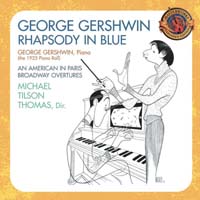
ALBUM NOTESUnpacking George Gershwin's An American In Paris / Rhapsody In Blue / Concerto
An American In Paris / Rhapsody In Blue / Concerto- Album Overview
George Gershwin's seminal works, encapsulated in the album "An American In Paris / Rhapsody In Blue / Concerto," offer a vibrant exploration of American classical music fused with jazz influences. Released in 1974 by the Columbia Masterworks label, this compilation brings together three of Gershwin's most celebrated pieces: "An American in Paris," "Rhapsody in Blue," and the "Concerto in F." Each composition showcases Gershwin's unique ability to blend classical forms with popular music idioms, reflecting the cultural landscape of early 20th-century America.
"Rhapsody in Blue," premiered in 1924, is perhaps Gershwin's most iconic piece, characterized by its innovative use of jazz rhythms within a classical orchestral setting. The composition’s premiere was a significant moment, bridging the gap between classical music and the burgeoning jazz scene. "An American in Paris," composed in 1928, paints an aural picture of the composer’s experiences in France and is distinguished by its lively depiction of Parisian life, complete with ambient street sounds. The "Concerto in F," premiered in 1926, showcases Gershwin's virtuosity and innovation, emphasizing the interplay between the piano and orchestra.
Collaborators on these recordings include prominent orchestras and conductors, such as the New York Philharmonic and Leonard Bernstein, who played a pivotal role in bringing Gershwin's works to the concert stage. The album has been influential in establishing Gershwin's legacy, not only as a composer of popular songs but also as a serious composer of orchestral music, solidifying his place in the pantheon of American classical music.
Review
This album is a revelation for both seasoned classical enthusiasts and newcomers alike. The orchestral arrangements breathe life into Gershwin’s compositions, showcasing an exhilarating blend of classical rigor and jazz spontaneity. In "Rhapsody in Blue," the piano’s playful yet poignant melodies interweave seamlessly with the orchestra, creating an exhilarating dialogue that invites listeners to experience the pulse of urban America in the 1920s.
"An American in Paris" stands out with its evocative orchestration, capturing the essence of the city through musical motifs that mimic the sounds of bustling streets and romantic encounters. The "Concerto in F" offers an impressive display of technical prowess from the pianist while remaining accessible through its rhythmic vitality and melodic charm. Gershwin’s genius lies in his ability to transcend genres, and this album serves as a testament to his foresight in blending the classical with the contemporary.
Highlights
- The seamless integration of jazz and classical elements.
- Memorable melodies and vibrant orchestration that evoke strong imagery.
- The historical significance of Gershwin’s work in shaping American music.
Weak points
- Some purists may find the jazz influences challenging within the traditional classical framework.
- Occasional pacing issues in transitions between movements might disrupt the listening experience.
- Limited bonus content or alternate versions of the pieces could have enhanced the album's appeal.
Overall evaluation
Gershwin's "An American In Paris / Rhapsody In Blue / Concerto" is a captivating celebration of American music that continues to resonate with audiences today. Its rich textures and innovative compositions highlight Gershwin's unique voice and his significant role in the evolution of American classical music.
Personal rating: 9/10