
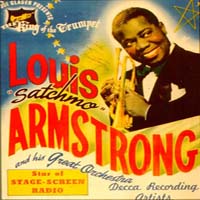
Unpacking Louis Armstrong's Ain't Misbehavin'
Ain't Misbehavin'- Album Overview
"Ain't Misbehavin'" is a landmark album by the legendary jazz musician Louis Armstrong, released in 1929. This album is significant not just for its musical content but also for its cultural impact, as it captures the essence of the jazz era during the Roaring Twenties. Produced by the Okeh label, "Ain't Misbehavin'" was recorded during a time when jazz was burgeoning in popularity across America. The title track, originally written by Fats Waller and Harry Brooks, is a classic that showcases Armstrong's distinctive trumpet playing and soulful vocal style, exemplifying the fusion of rhythm and blues with jazz. Armstrong collaborated with a talented group of musicians, including the pianist Earl Hines and the legendary drummer Zutty Singleton, whose contributions added depth to the recordings. The album features a total of eight tracks, including other notable songs like "The Peanut Vendor" and "My Heart", which further illustrate Armstrong's skill in interpreting various musical styles. The influence of "Ain't Misbehavin'" extends beyond its time, as it laid the groundwork for future jazz standards and solidified Armstrong’s status as a leading figure in the genre. The rich improvisation, playful lyrics, and emotional depth found within the tracks resonate with listeners, making it a timeless piece of musical history.
Review
The sound of "Ain't Misbehavin'" is a vibrant tapestry that combines Armstrong's unique trumpet prowess with his charismatic vocal delivery. Each track is a showcase of improvisation, with Armstrong's trumpet solos taking center stage, reflecting his innovative approach to jazz. Lyrically, the album is filled with themes of love and longing, delivered with a playful yet poignant attitude that captures the spirit of the era. Armstrong's artistry is evident in his ability to convey deep emotion through both his horn and voice. The production quality, while reflective of the late 1920s recording techniques, holds up surprisingly well, allowing listeners to appreciate the intricate arrangements and dynamic performances. The album’s artistic vision is clear: it seeks to celebrate life’s joys and sorrows through the lens of jazz, making it relatable and impactful. Armstrong’s charismatic personality shines through, inviting listeners into his world and making them feel every note and lyric.
Highlights
- Intricate trumpet solos that showcase Armstrong's technical prowess
- Playful and emotive vocal performances that resonate with listeners
- A rich historical context that captures the essence of the Jazz Age
Weak points
- Some tracks may feel dated to modern listeners unfamiliar with early jazz
- The album's brevity leaves fans wanting more than its eight tracks
- Occasional limitations in production quality reflective of the era
Overall evaluation
"Ain't Misbehavin'" remains a quintessential jazz album that not only highlights Louis Armstrong's exceptional talent but also reflects a pivotal time in music history. Despite its minor drawbacks, the album's charm and significance continue to captivate audiences today.
Personal rating: 9/10