
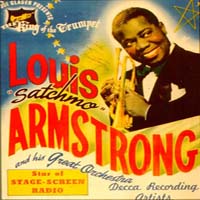
After You've Gone: what Louis Armstrong wants you to feel
After You've Gone- Album Overview
"After You've Gone" is a seminal album by the legendary jazz musician Louis Armstrong, released in 1950 under the Decca label. This album showcases Armstrong's extraordinary ability to blend traditional jazz with a more modern sound, encapsulating the essence of his musical genius. The title track, "After You've Gone," is a poignant interpretation of the classic song originally composed by Turner Layton with lyrics by Henry Creamer. The album features a rich array of instrumentation and vocal performance that highlights Armstrong's unique trumpet style and emotional depth.
The recording sessions brought together some of the finest jazz musicians of the time, including pianist Earl Hines and drummer Cozy Cole, contributing to the album's vibrant sound. Armstrong's collaboration with these talented artists results in an engaging listening experience that captures the spirit of the post-war jazz scene. The album contains a mix of both instrumental and vocal tracks, showcasing Armstrong's versatility and ability to convey deep emotion through music.
In addition to "After You've Gone," the album includes other notable tracks like "The Peanut Vendor" and "Ain't Misbehavin'," further exemplifying Armstrong's wide-ranging influence on jazz and popular music. The album was significant not just for its musical content but also for its cultural impact, as it came at a time when jazz was evolving and gaining mainstream recognition. Armstrong's work on this album helped pave the way for future generations of musicians and solidified his status as one of the most important figures in the history of American music.
Review
The sound of "After You've Gone" is a masterclass in jazz performance, characterized by Armstrong's unmistakable trumpet tone and heartfelt vocal delivery. His ability to swing with effortless grace is on full display, making each track feel both spontaneous and meticulously crafted. The lyrics, while often simple, resonate with profound emotional weight, reflecting themes of love, loss, and longing. Armstrong's artistic vision shines through in his interpretations, infusing each song with a sense of personal connection that invites listeners to share in his emotional journey.
The album's production quality is commendable, capturing the warmth of the musicianship while allowing the intricate details of the performances to shine through. The interplay between the trumpet and the supporting instruments creates a rich tapestry of sound that keeps the listener engaged from start to finish. Armstrong's charisma and charm radiate throughout the album, making it a timeless classic that speaks to the heart and soul of jazz music.
Highlights
- Exceptional trumpet playing that showcases Armstrong's virtuosity.
- Emotional depth in vocal performances that resonates with listeners.
- Incredible collaborative efforts with top jazz musicians of the era.
Weak points
- Some tracks may feel dated to contemporary listeners.
- The album's pacing can occasionally lag with slower ballads.
- Lack of variety in tempo across the album's tracks.
Overall evaluation
"After You've Gone" remains a significant contribution to the jazz genre, showcasing Louis Armstrong's unparalleled talent and emotional expressiveness. It is a must-listen for anyone looking to understand the evolution of jazz and the cultural impact it has had on music. Armstrong's ability to invoke deep feelings through his music is what continues to resonate with audiences today.
Personal rating: 9/10