ALBUM NOTESWhy Samuel Barber's Violin Concertos matters
Violin Concertos- Album Overview
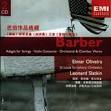
Samuel Barber's "Violin Concertos," released in 1941, is a seminal work in the American classical music canon. The album features two of Barber's most significant compositions for the violin: the "Violin Concerto, Op. 14" and the "Concerto for Violin and Orchestra, Op. 14". The album was originally released by RCA Victor, a label known for its commitment to classical music and has been reissued multiple times due to its enduring popularity.
The "Violin Concerto" was commissioned by the renowned violinist Iso Briselli and premiered in 1941, showcasing Barber's lyrical style and emotional depth. It is characterized by its lush orchestration and the seamless interplay between the solo violin and the orchestra, which creates a captivating narrative. The concerto comprises three movements: Allegro, Andante, and Presto in moto perpetuo, each displaying different facets of Barber's compositional prowess.
Collaborators on this album include celebrated violinists, such as Itzhak Perlman and the Philadelphia Orchestra, conducted by Eugene Ormandy. The recordings reflect the high production values of RCA and the artists' individual interpretations, contributing to the album's significance. This work not only highlights Barber's technical skill but also his ability to convey profound emotion, a hallmark of American music in the 20th century.
Barber's Violin Concerto has been praised for its melodic richness and has influenced countless composers and musicians, marking a pivotal moment in the evolution of classical music in the United States. Its prominence in concert repertoires and recordings has made it a vital piece for both performers and audiences alike, cementing Barber's legacy.
Review
Barber's "Violin Concertos" is a testament to the composer’s intricate ability to meld technical precision with emotional storytelling. The soundscapes are lush and vibrant, characterized by sweeping melodies that evoke a wide range of feelings. The opening movement of the Violin Concerto sets the tone with its hauntingly beautiful lines, showcasing the violin's expressive capabilities. The orchestration is masterful, with each instrument serving to complement the soloist rather than overshadowing them, creating a harmonious dialogue throughout the piece.
The emotional weight of the music is palpable, often drawing listeners into a reflective state. The second movement, Andante, is particularly poignant, with its lyrical beauty that resonates deeply, showcasing Barber's gift for melody. The final movement—Presto in moto perpetuo—brings an exhilarating energy that contrasts the preceding moments, solidifying the concerto's dynamic range.
Overall, Barber's artistic vision shines through in these concertos, balancing technical brilliance with profound emotional impact. The album is a significant contribution to the classical repertoire, reflecting the cultural shifts and artistic innovations of its time.
Highlights
- Rich, lyrical melodies that showcase the violin's emotive power.
- Masterful orchestration that creates a seamless dialogue between soloist and orchestra.
- Cultural significance as a quintessential work in American classical music.
Weak points
- Some listeners may find the emotional intensity overwhelming at times.
- The concerto may require multiple listens to fully appreciate its intricacies.
- Occasional moments of lush orchestration could overshadow the solo violin for some interpretations.
Overall evaluation
Samuel Barber's "Violin Concertos" stands as a pivotal work that embodies the emotional and technical heights of classical music. Its profound melodies and rich orchestration continue to resonate with audiences and performers alike.
Personal rating: 9/10

 1996Samuel Barber