

The evolution of Samuel Barber in Violin Concerto / Cello Concerto / Capricorn Concerto
Violin Concerto / Cello Concerto / Capricorn Conce- Album Overview
The album "Violin Concerto / Cello Concerto / Capricorn Concerto," featuring the works of Samuel Barber, was released in 2011 under the Deutsche Grammophon label. This collection showcases some of Barber's most significant contributions to the 20th-century classical repertoire, highlighting his evolution as a composer. The recordings feature celebrated soloists like the violinist Augustin Hadelich and cellist Alisa Weilerstein, both of whom bring their unique artistry to these profound works. The Violin Concerto, composed in 1939, is notable for its lyrical beauty and technical demands, while the Cello Concerto, written in 1945, reflects the turmoil of post-war America through its poignant melodies and emotional depth. The Capricorn Concerto, composed in 1944 for chamber orchestra, further exemplifies Barber's innovative approach to instrumentation and thematic development. The album is produced with meticulous attention to detail, capturing the richness of Barber's orchestration and the expressive capabilities of the solo instruments. Each piece offers a window into Barber's mind, showcasing his ability to blend American musical idioms with European classical traditions, making this album a vital listening experience for anyone interested in the evolution of American music in the 20th century.
Review
This album serves as a comprehensive exploration of Samuel Barber's stylistic evolution. The Violin Concerto opens with a vibrant, soaring theme that immediately draws the listener in, showcasing Barber's knack for melody and emotional resonance. Hadelich's interpretation is both technically brilliant and deeply expressive, making the most of the concerto's lyrical passages. In contrast, the Cello Concerto delves into darker territories, with Weilerstein's performance capturing the work's introspective qualities. The contrasts between the two concertos highlight Barber's ability to navigate between the serene and the tumultuous. The Capricorn Concerto, with its unique structure and chamber orchestration, adds a refreshing variety to the album, illustrating Barber's versatility as a composer. Overall, the production quality is exceptional, allowing every nuance of the soloists and orchestra to shine, making this a vital collection for both seasoned classical aficionados and newcomers alike.
Highlights
- Exceptional performances by Augustin Hadelich and Alisa Weilerstein.
- Rich orchestration that showcases Barber's innovative musical language.
- Thoughtful sequencing of works that highlights Barber's evolution as a composer.
Weak points
- Some listeners may find the Capricorn Concerto less accessible than the concertos.
- Occasional moments where the orchestration feels dense, potentially overshadowing the soloists.
- The album may appeal more to classical purists, limiting its broader audience reach.
Overall evaluation
This album is an essential addition to the repertoire showcasing Samuel Barber's profound impact on American classical music. It deftly balances emotional depth with technical prowess, making it a compelling listen. Barber's musical evolution is vividly captured through these performances, offering insights into his genius.
Personal rating: 8/10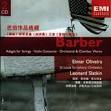 1996Samuel Barber