
Exploring the sound of Samuel Barber: Vanessa (metropolitan Opera Orchestra & Chorus Fea
Vanessa (metropolitan Opera Orchestra & Chorus Fea- Album Overview
"Vanessa," an opera by renowned American composer Samuel Barber, premiered in 1958 at the Metropolitan Opera, showcasing Barber's lyrical and emotive style. The album features the Metropolitan Opera Orchestra and Chorus, conducting by the esteemed James Levine. Released in 1983 under the RCA Red Seal label, this recording captures the rich textures and emotional depth that Barber is celebrated for, making it a significant addition to the operatic canon. The story revolves around a complex love triangle set in the early 20th century, exploring themes of longing, desire, and the quest for identity. The opera's lush orchestration and poignant arias reflect Barber's mastery of vocal writing, with standout moments such as the haunting "Must the Winter Come So Soon?" and the powerful "Vanessa's Aria." Collaborating with a talented cast, including the acclaimed soprano Renée Fleming in later performances, the album continues to resonate with audiences, both for its exquisite score and its exploration of human emotions. The recording itself was meticulously produced, capturing the nuances of the orchestra and the vocal performances. Over the years, "Vanessa" has been recognized not only for its musical innovation but also for its cultural significance in American opera, representing a bridge between traditional European forms and American thematic content. The album remains a testament to Barber’s legacy, influencing countless composers and inspiring new interpretations of operatic music.
Review
The album "Vanessa" is a remarkable representation of Samuel Barber's artistic vision, blending sweeping melodies with intricate harmonies that elevate the emotional stakes of the narrative. From the opening notes, listeners are drawn into a world of longing and introspection. Barber's ability to write for the voice is particularly evident, with soaring lines that challenge and showcase the singers' capabilities. The orchestration complements the vocal parts beautifully, creating a lush backdrop that enhances the drama without overshadowing the singers. Critically, the album succeeds in conveying the complex emotional landscape of the characters. The interactions between Vanessa, her lover Anatol, and her mother serve as a focal point for Barber's exploration of love and loss. The lyrical content, while at times steeped in traditional operatic tropes, feels fresh and relevant, highlighting the universal nature of its themes. Overall, the combination of Barber's sophisticated musical language and the powerful performances from the Metropolitan Opera Orchestra and Chorus creates an experience that is both moving and thought-provoking.
Highlights
- Richly orchestrated score that enhances the emotional depth of the narrative.
- Powerful vocal performances that showcase the technical and emotional range of the singers.
- A poignant exploration of love and longing that remains relevant today.
Weak points
- The pacing may feel slow to listeners unfamiliar with the operatic form.
- Some modern audiences might find the traditional operatic style less engaging.
- Limited availability of high-quality recordings could hinder wider appreciation.
Overall evaluation
"Vanessa" stands out as a seminal work in American opera, showcasing Samuel Barber's exceptional talent and emotional insight. This album captures the essence of Barber's genius and is essential listening for both opera enthusiasts and newcomers alike. Its blend of rich orchestration and compelling storytelling ensures that it remains a vital part of the operatic repertoire.
Personal rating: 9/10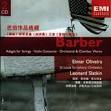 1996Samuel Barber