
From intro to finale: what Choral Music delivers
Choral Music- Album Overview
Samuel Barber’s "Choral Music," released in 1960, is an extraordinary collection that showcases the composer’s profound ability to meld traditional choral forms with modern sensibilities. This album, produced by the renowned RCA Victor label, features a series of Barber's choral works that have become staples in the choral repertoire. The recording session brought together some of the finest vocal ensembles of the time, including the Robert Shaw Chorale, known for its precise harmonies and emotional depth. Notable tracks include "Agnus Dei," which is a serene adaptation of his earlier work "Adagio for Strings," and "The Coolin," which reflects his ability to draw from folk traditions while maintaining a contemporary voice. The album captures Barber's unique ability to evoke deep emotions through music, and it reveals his skill in writing for voices, characterized by rich textures and intricate counterpoint. The release of "Choral Music" not only solidified Barber's position as a leading American composer but also contributed to the resurgence of interest in choral music during the mid-20th century. The album has been influential in bringing Barber's work to wider audiences, influencing both singers and composers alike. Its cultural significance lies in its ability to bridge the gap between classical traditions and modern expression, making it a vital part of the American choral landscape.
Review
The sound of "Choral Music" is lush and multifaceted, a testament to Barber’s mastery of choral writing. The performances on this album are nothing short of breathtaking, with the Robert Shaw Chorale delivering exquisite interpretations of each piece. Barber’s use of harmony and rhythm creates a rich tapestry of sound that is both accessible and complex, inviting listeners into a world of emotional depth. The lyrics, often drawn from classical texts, resonate with themes of spirituality and humanity, enhancing the overall impact of the music. Artistically, Barber's vision in "Choral Music" reflects a deep understanding of the human experience, conveyed through the power of the human voice. His compositions are marked by a lyrical quality that transcends the traditional boundaries of choral music, making it both timeless and relevant. The interplay of voices, often soaring to great heights, creates a dynamic listening experience that captivates and moves audiences. Overall, "Choral Music" stands as a remarkable example of Barber's legacy as a composer who could deftly blend the old with the new, creating music that speaks to the soul.
Highlights
- Exquisite vocal performances by the Robert Shaw Chorale.
- Rich emotional depth in Barber's compositions.
- Timeless appeal that bridges classical and modern choral traditions.
Weak points
- Some listeners may find the choral style less accessible compared to popular music genres.
- The album may feel dense for those unfamiliar with classical choral works.
- Limited exposure to Barber's instrumental compositions may overshadow this choral focus.
Overall evaluation
Samuel Barber's "Choral Music" is a significant contribution to the choral genre, showcasing his unparalleled ability to combine emotional depth with intricate vocal arrangements. The album remains a crucial touchstone for both performers and audiences alike.
Personal rating: 9/10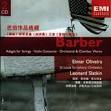 1996Samuel Barber