Biography
Samuel Barber: history and sound
The Timeless Beauty of Samuel Barber's Music
Music has always been an integral part of human culture. Artists throughout history have used this art form to express their emotions, thoughts, and beliefs. One such artist is Samuel Barber, who’s regarded as one of the most prominent American composers of the 20th century. His music, characterized by its emotional intensity and lyrical melody, has captivated audiences for decades. In this article, we’ll delve into Samuel Barber’s musical biography, discuss some of his best songs, explore his music genre, and talk about his famous concerts and reviews.
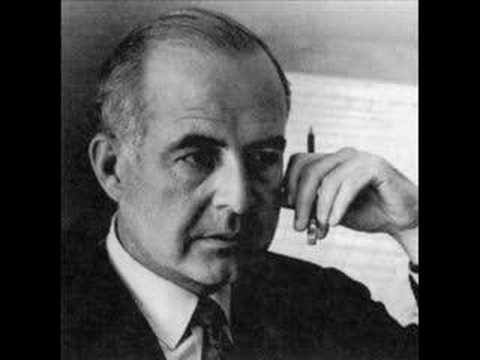
Samuel Barber was an American composer born in West Chester, Pennsylvania, in 1910. He grew up in a musical family and started composing his pieces when he was just nine years old. Barber's early pieces were mainly classical, and he was influenced by the likes of Bach, Beethoven, and Brahms. Nevertheless, he went on to create a unique style that drew on the vibrant American tradition of jazz and blues, mixed with elements of neoclassicism.
Barber is best known for his compositions for voice and orchestra. Among his most famous pieces is the Adagio for Strings, which is a powerful and emotionally charged composition that has become a classic. Another notable composition is Knoxville: Summer of 1915, a nostalgic, dreamy piece for solo voice and orchestra based on a prose poem by James Agee. Barber's music is characterized by its lyricism and emotive expressiveness, making it a classic of American classical music.
Barber’s music genre is primarily classical, drawing influences from the romantic and neoclassical music styles. His compositions are known for their emotional depth and beauty, which make his music timeless in its appeal. Barber's work has been widely performed, and his music has had a profound impact on future generations of composers.
Barber's music has been performed in some of the most prestigious concert halls and by some of the world's most notable orchestras. His Adagio for Strings has been played at important national events, including the funerals of Franklin D. Roosevelt and John F. Kennedy. In 1941, Barber’s famous violin concerto premiered at the Academy of Music in Philadelphia, where it received rave reviews from critics.
A critic after the premiere of the violin concerto praised Barber’s music for its exquisite lyricism and emotional sincerity. The piece has since become a classic in the violin repertoire, displaying Barber's passion and sensitivity. The haunting melodies of his violin concerto, coupled with the colorful orchestration, makes this piece an absolute favorite among the violinists and music enthusiasts.
Samuel Barber's music continues to be celebrated today, as is evident by the vast number of orchestras and musicians who continue to perform his compositions. The beauty and emotional depth of his music have ensured that his works will be remembered for decades to come. Barber was a true creator, a pioneer, and a great contributor to the world of classical music. His music is a testament to the human spirit, and its timeless beauty will continue to inspire generations to come.
Music has always been an integral part of human culture. Artists throughout history have used this art form to express their emotions, thoughts, and beliefs. One such artist is Samuel Barber, who’s regarded as one of the most prominent American composers of the 20th century. His music, characterized by its emotional intensity and lyrical melody, has captivated audiences for decades. In this article, we’ll delve into Samuel Barber’s musical biography, discuss some of his best songs, explore his music genre, and talk about his famous concerts and reviews.
Samuel Barber was an American composer born in West Chester, Pennsylvania, in 1910. He grew up in a musical family and started composing his pieces when he was just nine years old. Barber's early pieces were mainly classical, and he was influenced by the likes of Bach, Beethoven, and Brahms. Nevertheless, he went on to create a unique style that drew on the vibrant American tradition of jazz and blues, mixed with elements of neoclassicism.
Barber is best known for his compositions for voice and orchestra. Among his most famous pieces is the Adagio for Strings, which is a powerful and emotionally charged composition that has become a classic. Another notable composition is Knoxville: Summer of 1915, a nostalgic, dreamy piece for solo voice and orchestra based on a prose poem by James Agee. Barber's music is characterized by its lyricism and emotive expressiveness, making it a classic of American classical music.
Barber’s music genre is primarily classical, drawing influences from the romantic and neoclassical music styles. His compositions are known for their emotional depth and beauty, which make his music timeless in its appeal. Barber's work has been widely performed, and his music has had a profound impact on future generations of composers.
Barber's music has been performed in some of the most prestigious concert halls and by some of the world's most notable orchestras. His Adagio for Strings has been played at important national events, including the funerals of Franklin D. Roosevelt and John F. Kennedy. In 1941, Barber’s famous violin concerto premiered at the Academy of Music in Philadelphia, where it received rave reviews from critics.
A critic after the premiere of the violin concerto praised Barber’s music for its exquisite lyricism and emotional sincerity. The piece has since become a classic in the violin repertoire, displaying Barber's passion and sensitivity. The haunting melodies of his violin concerto, coupled with the colorful orchestration, makes this piece an absolute favorite among the violinists and music enthusiasts.
Samuel Barber's music continues to be celebrated today, as is evident by the vast number of orchestras and musicians who continue to perform his compositions. The beauty and emotional depth of his music have ensured that his works will be remembered for decades to come. Barber was a true creator, a pioneer, and a great contributor to the world of classical music. His music is a testament to the human spirit, and its timeless beauty will continue to inspire generations to come.