ALBUM NOTESThe evolution of Samuel Barber in Violin Concerto / Souvenirs (ballet Suite) / Music
Violin Concerto / Souvenirs (ballet Suite) / Music- Album Overview
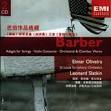
Samuel Barber's "Violin Concerto / Souvenirs (ballet Suite) / Music," released in 1972, showcases the evolution of one of America's most significant composers. This album is an essential representation of Barber's ability to blend lyrical beauty with technical prowess. The album features the renowned Violin Concerto, composed in 1939, which has become a mainstay in the violin repertoire. Its three movements, marked by emotional depth and intricate violin passages, highlight Barber's unique voice that combines Romanticism with modern sensibilities.
"Souvenirs," a ballet suite composed in 1951, reflects Barber's ability to capture the essence of dance through music, offering a delightful array of colorful and evocative pieces. The recording features the Philadelphia Orchestra, conducted by the esteemed Eugene Ormandy, a collaboration that enhances the album's overall impact. The recordings were produced by CBS Masterworks, which has a rich history of promoting classical music, ensuring that Barber's works were presented with the utmost care and artistry.
This album not only showcases Barber's technical skill but also his ability to evoke powerful emotions through orchestration and melody. The cultural significance of Barber's work cannot be overstated; he has been a pivotal figure in American classical music, often bridging the gap between traditional and modern styles. "Violin Concerto / Souvenirs" stands as a testament to his genius, inviting listeners to explore the depth of human emotion through orchestral sound.
Review
The album opens with the Violin Concerto, where the soloist's interplay with the orchestra is both dynamic and lyrical. The first movement, "Allegro," is characterized by its soaring melodies, while the second, "Andante," showcases Barber's gift for poignant, lyrical writing. The finale, "Presto," is a brilliant display of virtuosity, making it a captivating listen.
"Souvenirs," on the other hand, presents a lighter, more playful side of Barber's compositional style. Each piece in the ballet suite paints a vivid picture, inviting listeners into a world of dance and movement. The orchestrations are rich and colorful, revealing Barber's keen understanding of instrumental textures.
Barber's artistic vision is marked by his commitment to emotional honesty. His music often reflects a deep sense of yearning and introspection, which resonates powerfully with audiences. This album effectively captures that essence, making it a significant contribution to the classical music canon.
Highlights
- The emotional depth and lyrical beauty of the Violin Concerto.
- The vibrant orchestration and characterful pieces in "Souvenirs."
- The exceptional performance by the Philadelphia Orchestra under Eugene Ormandy.
Weak points
- Some listeners may find the balance between the two works uneven, with the Violin Concerto overshadowing "Souvenirs."
- The recording quality, while generally good, may not meet the standards of modern audiophiles.
- Barber's more avant-garde moments could be challenging for those preferring traditional classical forms.
Overall evaluation
"Violin Concerto / Souvenirs (ballet Suite) / Music" is a compelling exploration of Samuel Barber's evolution as a composer. The album showcases his mastery of form and emotion, making it essential listening for both classical enthusiasts and those new to Barber's work. Its historical significance and artistic merit solidify Barber's place in the pantheon of great American composers.
Personal rating: 9/10

 1996Samuel Barber