

Orchestral Works, Volume 2: Cello Concerto / Medea: the story Samuel Barber wants to tell
Orchestral Works, Volume 2: Cello Concerto / Medea- Album Overview
Released in 2023 under the Deutsche Grammophon label, "Orchestral Works, Volume 2: Cello Concerto / Medea" features two significant compositions by American composer Samuel Barber. This album is a continuation of the exploration of Barber's orchestral music, following the successful release of Volume 1. The Cello Concerto, one of Barber's most renowned works, was originally composed in 1945 and showcases the expressive capabilities of the cello through its lyrical melodies and intricate harmonies. The concerto is performed by the acclaimed cellist Alisa Weilerstein, whose interpretation brings new depth to Barber's emotional landscape. The second piece, "Medea," is based on the ancient Greek myth and represents Barber's dramatic and operatic style, allowing for a vivid orchestral narrative. The album highlights the collaboration between Weilerstein and conductor James Conlon, who has a long-standing relationship with Barber's music. The recording took place in a renowned studio, capturing the full dynamic range of the orchestra. With this release, Deutsche Grammophon continues to honor Barber’s legacy, inviting a new generation to appreciate his contributions to American classical music. The album is not just a collection of pieces; it is a journey through Barber's artistic mind, reflecting themes of love, betrayal, and redemption.
Review
This album is a masterclass in orchestral sound, with Barber's music resonating through every note. The Cello Concerto stands out for its emotive power, and Weilerstein’s performance is both technically proficient and deeply moving. The intricate dialogue between the solo cello and the orchestra is executed flawlessly, drawing listeners into a world of rich textures and poignant melodies. Conlon's direction ensures that the orchestral backdrop complements the cello's voice, creating a cohesive soundscape that feels both expansive and intimate. In "Medea," Barber's dramatic flair is on full display, with sweeping orchestral passages that evoke the intensity of the mythological narrative. The interplay of light and shadow in this piece reflects Barber's ability to convey complex emotions through music. However, while the album excels in its orchestral arrangements and performances, some may find the emotional weight of the pieces challenging, requiring multiple listens to fully grasp their depth. Overall, the album captures the essence of Barber's artistic vision, making it a significant addition to the classical music canon.
Highlights
- Exceptional performance by Alisa Weilerstein, showcasing virtuosic cello playing.
- James Conlon's adept conducting enhances the emotional depth of the pieces.
- The album successfully bridges Barber's operatic and orchestral styles, providing a rich listening experience.
Weak points
- Some listeners might find the complexity of the pieces requires multiple listens to appreciate fully.
- The emotional intensity may not resonate with all audiences, potentially limiting its accessibility.
- The album could benefit from additional context or liner notes to deepen listener understanding of the works.
Overall evaluation
"Orchestral Works, Volume 2: Cello Concerto / Medea" is a compelling exploration of Samuel Barber's orchestral genius. It combines exceptional performances with profound musical narratives, making it a must-listen for both classical music enthusiasts and newcomers alike.
Personal rating: 8.5/10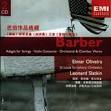 1996Samuel Barber