ALBUM NOTESListening to Strauss: Also Sprach Zarathustra / Barber: Adagio by Samuel Barber
Strauss: Also Sprach Zarathustra / Barber: Adagio - Album Overview
The album "Strauss: Also Sprach Zarathustra / Barber: Adagio" features two iconic compositions that showcase the depth and breadth of classical music. Released in 1984 under the RCA Victor label, this recording presents Richard Strauss's "Also Sprach Zarathustra," a tone poem inspired by Friedrich Nietzsche's philosophical novel of the same name, alongside Samuel Barber's haunting "Adagio for Strings." The recording was conducted by the esteemed composer Samuel Barber himself, alongside the London Philharmonic Orchestra, allowing for a unique interpretation that captures the essence of both works.
"Also Sprach Zarathustra," composed in 1896, is renowned for its opening fanfare, which has been immortalized in popular culture, notably through Stanley Kubrick’s film "2001: A Space Odyssey." The piece explores themes of existentialism and the human condition, making it not only a musical journey but a philosophical one as well. Barber's "Adagio for Strings," first performed in 1938, evokes deep emotional responses with its lush harmonies and poignant melodies, often associated with mourning and reflection.
This album serves not just as a collection of music but as a cultural artifact, bridging the gap between the late Romantic and modern eras of orchestral music. The collaboration of the London Philharmonic Orchestra and Barber's own direction infuses the recording with authenticity, making it a significant addition to both composers' discographies.
Review
The album opens with Strauss's "Also Sprach Zarathustra," which is masterfully conducted, providing a powerful and dynamic interpretation that captures the grandeur of the universe and human existence. The orchestration is rich and layered, with brass and strings intertwining in a way that evokes a sense of awe. Each section of the piece is executed with precision, showcasing the orchestra's capabilities and Barber's keen understanding of orchestral color.
Following this monumental work, Barber's "Adagio for Strings" presents a stark contrast. The emotional weight of the piece is palpable, with Barber's delicate handling of melodies creating a serene yet haunting atmosphere. His ability to evoke a spectrum of feelings through simplicity is evident in this rendition. The conductor’s insights add depth to the performance, making it a deeply moving experience.
Overall, the album is a testament to Barber's dual role as conductor and composer, allowing listeners to appreciate his artistic vision while experiencing the works of Strauss and Barber in their full splendor.
Highlights
- The dynamic and majestic interpretation of "Also Sprach Zarathustra."
- The emotional depth and beauty of Barber's "Adagio for Strings."
- The seamless collaboration between Barber and the London Philharmonic Orchestra.
Weak points
- Some listeners may prefer alternative interpretations of Strauss's work.
- The contrast between the two pieces may feel abrupt to some audiences.
- The album's release in 1984 might limit its appeal to a contemporary audience familiar with modern recordings.
Overall evaluation
"Strauss: Also Sprach Zarathustra / Barber: Adagio" is a powerful exploration of the emotional spectrum of classical music, showcasing the talents of Samuel Barber as both a conductor and composer. This album is a must-listen for anyone interested in the intersection of philosophy and music.
Personal rating: 8/10

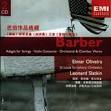 1996Samuel Barber