
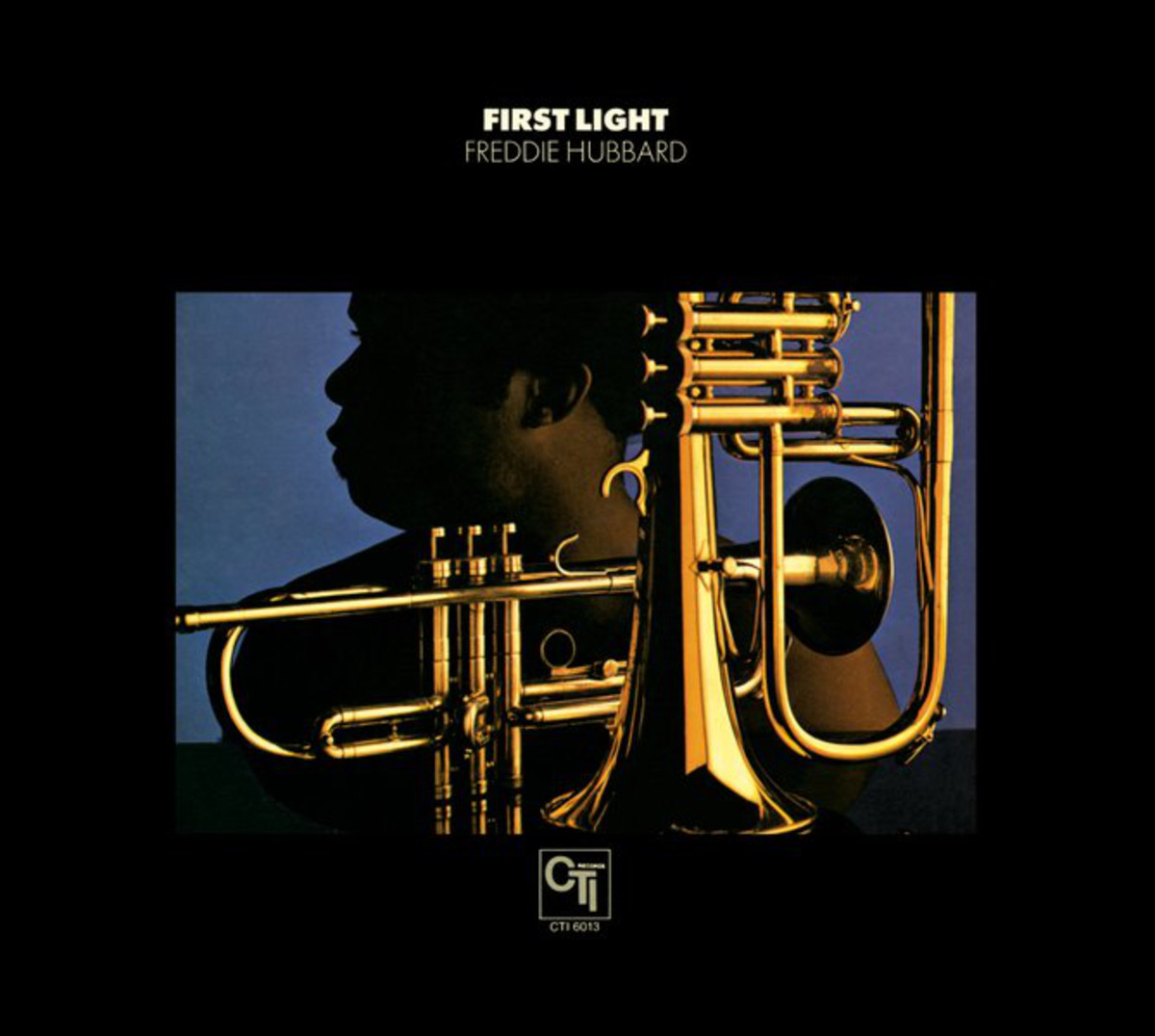
Freddie Hubbard experiments boldly on Time Speaks
Time Speaks- Album Overview
Released in 1971, "Time Speaks" is a remarkable album by the legendary jazz trumpeter Freddie Hubbard. This album marks a significant point in Hubbard's career, showcasing his adventurous spirit and willingness to explore new musical territories. Produced by the renowned label CTI Records, "Time Speaks" is emblematic of the early '70s jazz fusion movement, blending traditional jazz elements with innovative orchestration and modern rhythms. The recording sessions took place at Van Gelder Studio, known for its exceptional acoustics and historical importance in jazz recording.
The album features a stellar lineup of musicians, including pianist McCoy Tyner, bassist Ron Carter, and drummer Elvin Jones, all of whom bring their unique styles to Hubbard's compositions. The album comprises five tracks, with notable pieces such as "Arietis" and "The Black Angels," which reflect Hubbard's diverse influences ranging from hard bop to avant-garde jazz. "Time Speaks" also includes orchestral arrangements, a nod to the progressive jazz movement of its time, further highlighting Hubbard's desire to push boundaries.
Culturally, this album is significant as it encapsulates a period of experimentation in jazz, where artists began to incorporate elements from various genres, setting the stage for future innovations in jazz fusion. The single "The Black Angels" particularly stands out, resonating with a hauntingly beautiful melody that showcases Hubbard's expressive trumpet playing. Overall, "Time Speaks" not only underscores Freddie Hubbard's virtuosity but also his role as a pioneering force in the evolution of jazz music during a transformative era.
Review
"Time Speaks" is a bold statement that reflects Freddie Hubbard's artistic vision and his relentless pursuit of new sounds. The album opens with the powerful "Arietis," where Hubbard's trumpet cuts through the intricate arrangements, displaying technical prowess and emotional depth. The interplay between the musicians is electric, with each player contributing to a cohesive yet adventurous soundscape. The orchestral elements, while occasionally overwhelming, generally enhance the listening experience, adding layers of complexity to Hubbard's compositions.
As the album progresses, tracks like "The Black Angels" reveal a darker, more introspective side of Hubbard's artistry. The haunting melodies and intricate harmonies create an atmosphere that invites deep contemplation. However, while the experimentation is commendable, some listeners might find certain tracks veering too far into avant-garde territory, which may not resonate with traditional jazz purists. Overall, Hubbard's willingness to take risks pays off, making "Time Speaks" an essential listen for anyone interested in the evolution of jazz music.
Highlights
- Innovative fusion of jazz with orchestral elements
- Outstanding performances by a stellar lineup of musicians
- Emotional depth and technical prowess displayed by Hubbard
Weak points
- Occasional overwhelming orchestration that may distract from the core jazz elements
- Some tracks may not appeal to traditional jazz enthusiasts
- Inconsistent pacing throughout the album
Overall evaluation
"Time Speaks" stands as a testament to Freddie Hubbard's innovative spirit and his significant contributions to jazz music. While it may challenge conventional listeners, its bold experimentation offers a rich tapestry of sounds that is both rewarding and thought-provoking.
Personal rating: 8/10 1971First Light
 1962Hub-Tones
 1960Open Sesame