
From intro to finale: what Come To Brazil delivers
Come To Brazil- Album Overview
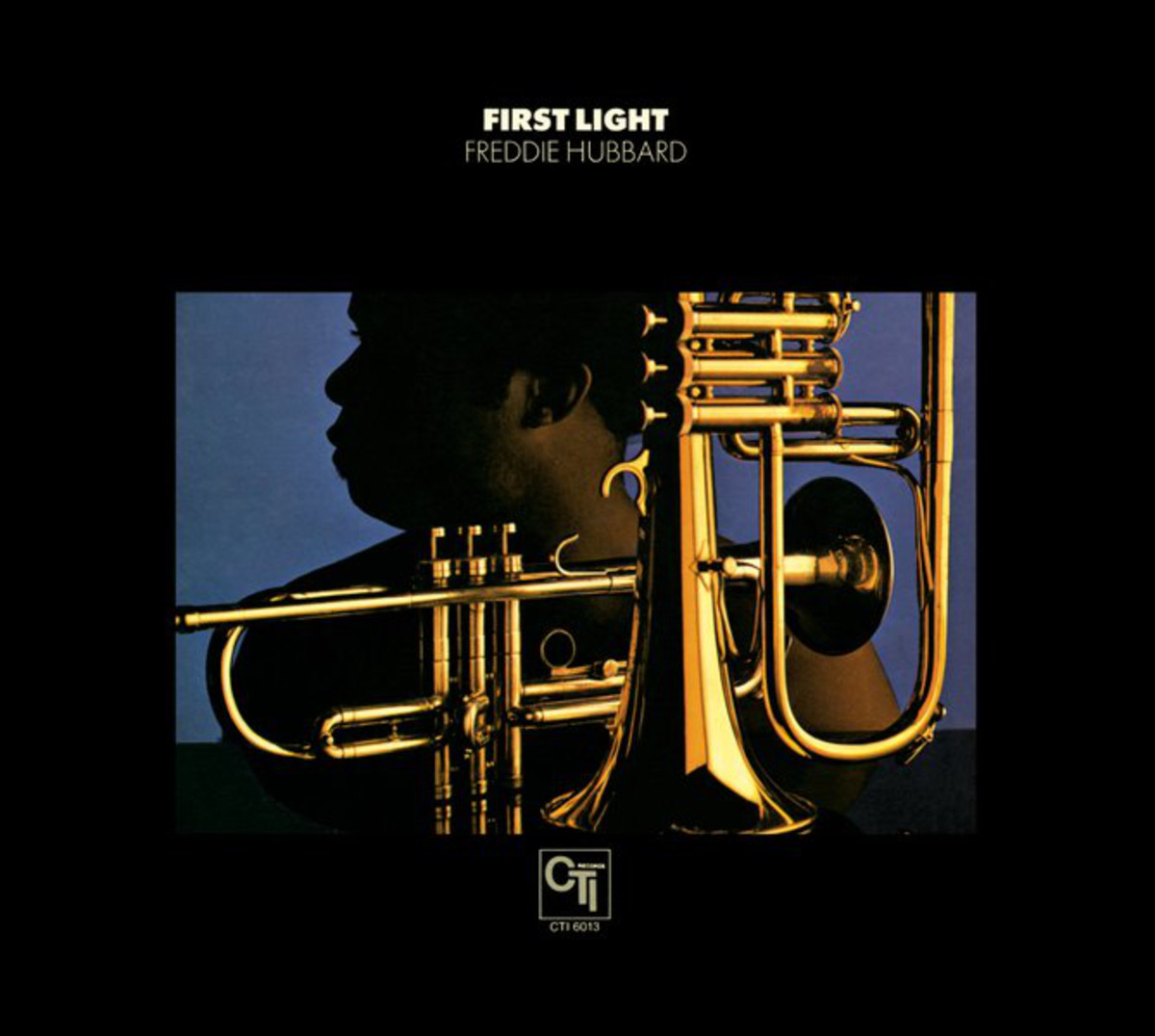
"Come To Brazil" is a notable album by the legendary jazz trumpeter Freddie Hubbard, released in 1972 under the CTI Records label. This album represents a significant period in Hubbard's career, showcasing his fusion of jazz with elements of funk and Brazilian music. The recording sessions took place in an era when jazz was beginning to embrace more diverse influences, and Hubbard was at the forefront of this evolution. The album features an impressive lineup of musicians, including the talented pianist McCoy Tyner, who is well-known for his work with the John Coltrane Quartet, as well as drummer Elvin Jones and bassist Ron Carter.
Hubbard's "Come To Brazil" consists of several tracks that reflect his innovative approach to jazz. Notable compositions include "Arietis" and "The Black Angel," which highlight Hubbard's vibrant trumpet style and the intricate arrangements that characterize this work. The album blends rhythmic Brazilian grooves with Hubbard's signature hard-bop sound, creating a unique listening experience that resonates with both jazz aficionados and casual listeners alike.
In the context of the 1970s jazz scene, "Come To Brazil" stands out for its exploration of cross-cultural musical dialogue. The incorporation of Brazilian rhythms and melodies not only showcases Hubbard's versatility as a musician but also reflects the growing global influence on jazz during this period. The album did not produce any mainstream singles but has been appreciated in jazz circles for its artistic vision and cohesive sound. With its rich textures and rhythmic complexity, "Come To Brazil" remains an essential part of Freddie Hubbard's discography, exemplifying his role as a pioneer in the genre.
Review
The sound of "Come To Brazil" is an exhilarating blend of jazz and Brazilian influences, characterized by Hubbard's powerful trumpet playing, which is both lyrical and explosive. The production quality is exceptional, typical of CTI Records, known for their polished sound and lavish arrangements. The album’s opener immediately sets the tone with vibrant energy, inviting listeners into Hubbard's innovative world. The interplay between the musicians is palpable, with each track offering a unique dialogue between instruments, showcasing their individual talents while contributing to the collective sound.
Artistically, Hubbard's vision shines through in the seamless integration of traditional jazz elements with contemporary styles. The arrangements are intricate yet accessible, making the album appealing to a wide audience. However, while the album is rich in instrumental prowess, it lacks the lyrical depth often found in other jazz recordings, as the focus remains predominantly on melody and rhythm. Overall, "Come To Brazil" is a captivating journey through sound that invites listeners to explore the intersections of jazz and world music.
Highlights
- Exceptional trumpet work by Freddie Hubbard, showcasing his technical prowess.
- Intricate arrangements that blend jazz with Brazilian rhythms seamlessly.
- Strong supporting performances from renowned musicians like McCoy Tyner and Elvin Jones.
Weak points
- Lacks lyrical content, focusing more on instrumental exploration.
- Some tracks may feel overly polished, detracting from raw jazz spontaneity.
- Not as widely recognized or celebrated compared to Hubbard's other works.
Overall evaluation
"Come To Brazil" is a vibrant exploration of jazz that pushes the boundaries of the genre while paying homage to Brazilian music. It serves as a testament to Freddie Hubbard's innovative spirit and ability to adapt to the changing musical landscape of the 1970s.
Personal rating: 8/10 1971First Light
 1962Hub-Tones
 1960Open Sesame