
One week with The Blues And The Abstract Truth: thoughts on Freddie Hubbard
The Blues And The Abstract Truth- Album Overview
Released in 1966, "The Blues And The Abstract Truth" stands as a pivotal work in the catalog of trumpeter Freddie Hubbard. This album was produced under the prestigious Blue Note label, a hallmark of jazz excellence. Recorded in the heart of the jazz era, it features a rich blend of hard bop and modal jazz, showcasing Hubbard's virtuosic trumpet skills and innovative compositional techniques. The album was recorded in the studio with a remarkable ensemble including notable musicians such as Wayne Shorter on tenor saxophone, McCoy Tyner on piano, Elvin Jones on drums, and Reggie Workman on bass, all of whom contributed to the album's vibrant sound. The album features a selection of six tracks, with standout compositions like "Arietis" and "Birdlike," which showcase not only Hubbard's prowess but also the collaborative synergy of the group. The title track, "The Blues and the Abstract Truth," encapsulates the essence of the album, balancing bluesy elements with abstract expressionism. This work is significant not only for its musical explorations but also for its cultural impact, as it emerged during a transformative period in jazz, blending traditional forms with new, avant-garde influences. The album has continued to resonate through the decades, influencing countless musicians and remaining a cornerstone of contemporary jazz.
Review
Freddie Hubbard's "The Blues And The Abstract Truth" is a masterclass in jazz innovation. The album's sound is characterized by its dynamic interplay between the musicians, where each player brings their unique voice to the table. Hubbard's trumpet sings with an emotional intensity that captures the listener from the very first note, weaving through intricate melodies and bold improvisations. The rhythmic foundation laid by Elvin Jones and Reggie Workman creates a propulsive energy that drives the album forward, while McCoy Tyner's piano adds layers of harmonic complexity. The compositions are thoughtfully arranged, allowing for both structured passages and free-form exploration. Hubbard's artistic vision shines through in the way he balances traditional blues motifs with experimental sounds, creating a rich tapestry that invites repeated listens. The album does not rely on lyrical content, instead allowing the instrumental dialogue to convey emotion and narrative, making it a truly immersive experience. Overall, the album stands as a testament to Hubbard's genius and the collaborative spirit of the jazz community during the 1960s, reflecting both personal expression and collective creativity.
Highlights
- Exceptional musicianship from a stellar lineup.
- Innovative blending of blues and abstract jazz elements.
- Strong emotional resonance in Hubbard's trumpet performances.
Weak points
- Some listeners may find the abstract elements challenging.
- The album's complexity may require multiple listens to fully appreciate.
- Limited commercial appeal compared to more mainstream jazz offerings.
Overall evaluation
"The Blues And The Abstract Truth" is a landmark album that exemplifies Freddie Hubbard's artistic prowess and the collaborative spirit of its time. It remains a significant contribution to the jazz genre and continues to inspire musicians today.
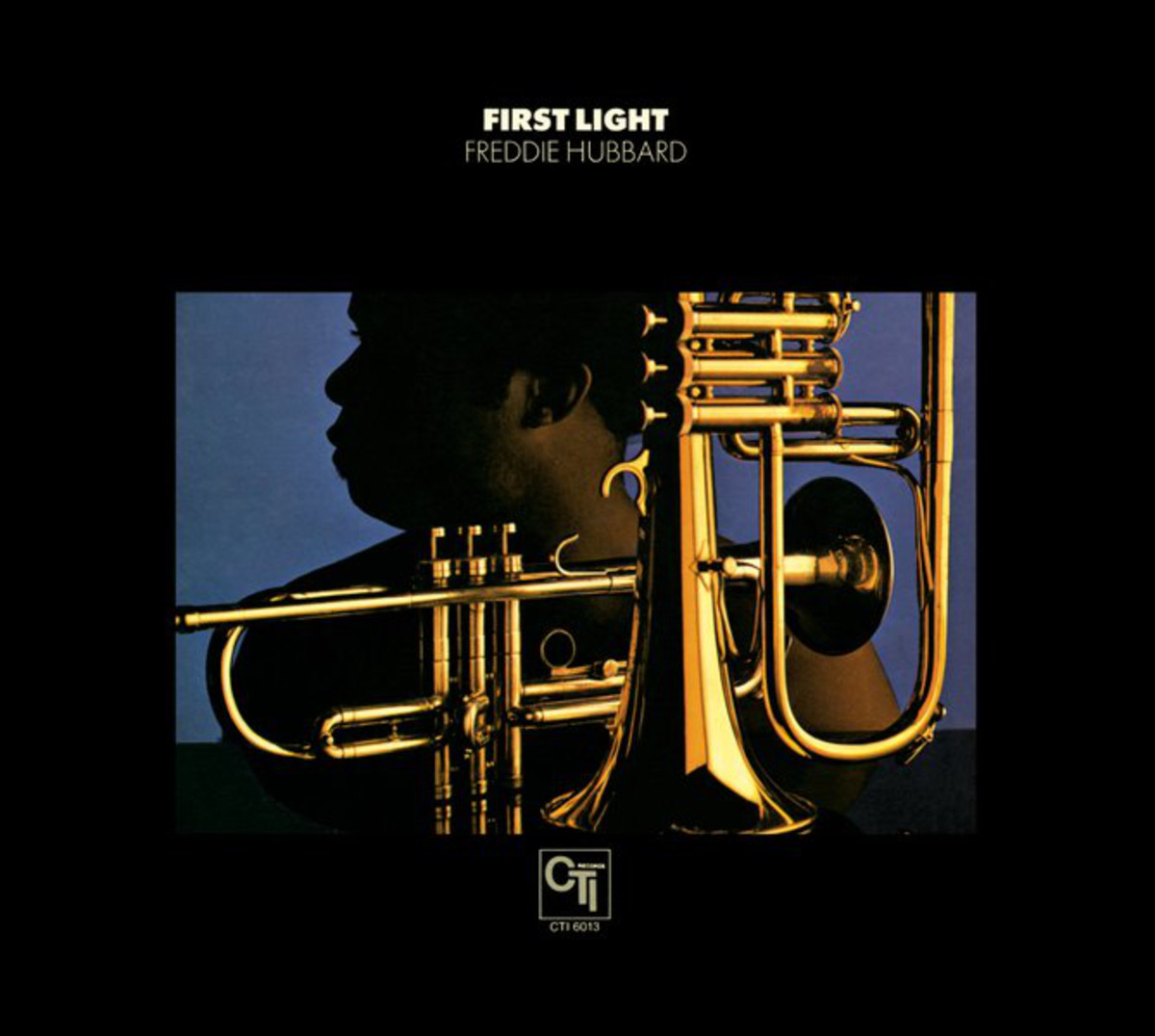
Personal rating: 9/10 1971First Light
 1962Hub-Tones
 1960Open Sesame