
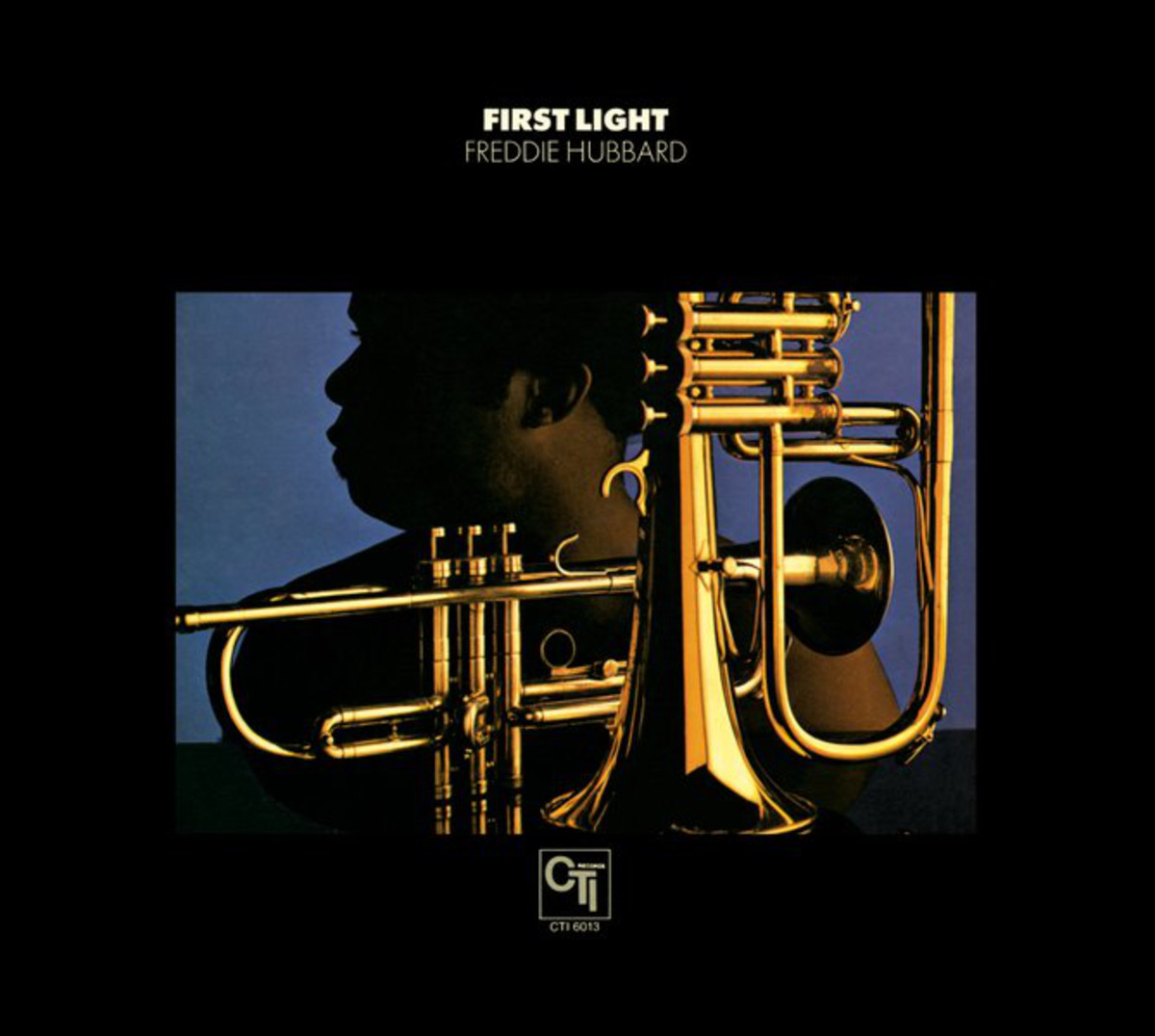
Inside Life Flight by Freddie Hubbard
Life Flight- Album Overview
"Life Flight" is an album by the acclaimed jazz trumpeter Freddie Hubbard, released in 1972 under the CTI Records label. This album is significant in Hubbard's discography as it showcases his unique blend of hard bop and post-bop with elements of funk and soul jazz. Recorded during a prolific period for Hubbard, "Life Flight" features a stellar lineup of musicians, including saxophonist Wayne Shorter, pianist McCoy Tyner, bassist Ron Carter, and drummer Elvin Jones, all of whom contribute their distinctive styles to the recording.
The album consists of five tracks, with notable compositions like "Arietis" and "The Black Angels," which exemplify the intricate interplay between the musicians and Hubbard's masterful trumpet work. The production, led by Creed Taylor, is characterized by its lush arrangements and a focus on melodic improvisation, allowing each soloist to shine. "Life Flight" not only reflects the artist's virtuosity but also captures the zeitgeist of the early 1970s jazz scene, a time when jazz began to incorporate more diverse influences, making it accessible to a broader audience.
The album did not produce any major singles, but tracks like "Arietis" have remained favorites among jazz enthusiasts. Its cultural significance lies in its role in bridging traditional jazz with the emerging sounds of fusion and funk, making it a crucial piece in the evolution of jazz music during that era. Hubbard's ability to navigate complex musical landscapes while maintaining a strong melodic focus is a testament to his artistry and vision.
Review
"Life Flight" is a testament to Freddie Hubbard's evolution as a musician. The album opens with "Arietis," which immediately draws listeners in with its intricate horn arrangements and vibrant energy. Hubbard's trumpet work is both powerful and lyrical, showcasing his technical prowess and emotional depth. The interplay with Wayne Shorter's saxophone creates a captivating dialogue that runs throughout the album, highlighting the chemistry among the musicians.
The production quality is polished, characteristic of CTI's signature sound, which combines rich orchestration with a jazz foundation. However, while the lush arrangements are undeniably beautiful, they occasionally overshadow Hubbard's improvisational flair. The album's pacing is also worth noting; while some tracks build tension and excitement, others may feel overly drawn out, which could challenge the casual listener's engagement.
Overall, "Life Flight" stands as an impressive body of work that encapsulates the spirit of its time. It is a sophisticated blend of genres that not only affirms Hubbard's place in jazz history but also illustrates the genre's evolution beyond conventional boundaries.
Highlights
- Exceptional collaboration with renowned jazz figures enhances the album's depth.
- Intricate compositions that showcase Hubbard's virtuosic trumpet playing.
- Lush production and arrangements that create a rich listening experience.
Weak points
- Some tracks may feel overly orchestrated, detracting from spontaneity.
- The pacing can vary, with slower sections potentially losing listener interest.
- Lack of major singles could limit mainstream recognition.
Overall evaluation
"Life Flight" is a compelling exploration of jazz that balances technical prowess with emotional expression. Freddie Hubbard's ability to weave complex melodies with a rich ensemble makes this album a noteworthy contribution to jazz history.
Personal rating: 8/10 1971First Light
 1962Hub-Tones
 1960Open Sesame