ALBUM NOTESExploring the sound of Freddie Hubbard: Bolivia
Bolivia- Album Overview
Freddie Hubbard's album "Bolivia," released in 1969, stands as a significant work in the jazz genre, showcasing the trumpeter's virtuosic skills and innovative approach to jazz composition. Released under the Blue Note label, the album features a rich blend of hard bop and avant-garde influences, highlighting Hubbard’s ability to bridge various jazz styles. The album was recorded in 1969 at the Van Gelder Studio in Englewood Cliffs, New Jersey, a location famous for its impact on jazz recordings.
"Bolivia" includes a number of standout tracks, such as the title piece "Bolivia," which is a tribute to the South American country, and "Arietis," both of which exemplify Hubbard's unique approach to melody and improvisation. The album features an impressive lineup of collaborators, including notable musicians like Wayne Shorter on tenor saxophone, McCoy Tyner on piano, Reggie Workman on bass, and Elvin Jones on drums, all of whom contribute to the album's dynamic soundscape.
The album is notable not only for its musical composition but also for its cultural significance, as it reflects the exploration of Latin rhythms within the jazz idiom during the late 1960s and the broader cultural movements of the time. "Bolivia" has since become a classic, celebrated for its rich textures and emotional depth, and remains a key listening experience for jazz enthusiasts.
Review
"Bolivia" is a masterclass in collaborative jazz, with Freddie Hubbard's trumpet soaring above an intricate tapestry woven by his fellow musicians. The album opens with the title track, where Hubbard’s bold, expressive playing sets the tone for the journey ahead. The interplay between Hubbard and Wayne Shorter is particularly noteworthy, as both musicians push each other into new improvisational territories, reflecting an artistic vision that embraces spontaneity and exploration.
The album's production quality, a hallmark of Blue Note recordings, enhances the listening experience, allowing the nuanced performances of each musician to shine through. McCoy Tyner's piano work adds a rich harmonic foundation, while Elvin Jones's drumming propels the group forward with an exhilarating energy. The compositions themselves are intricate and challenging, showcasing Hubbard's ability to blend complex structures with emotional resonance.
Overall, "Bolivia" is not just an album of technical prowess; it captures the spirit of a transformative era in jazz, making it a vital piece of music history that still resonates with listeners today.
Highlights
- The brilliant interplay between Freddie Hubbard and Wayne Shorter.
- The rich, layered textures created by the ensemble's instrumentation.
- The innovative blend of hard bop and Latin influences in the compositions.
Weak points
- Some may find the complexity of the compositions challenging for casual listeners.
- The album could benefit from a more varied tempo across its tracks.
- Limited presence of vocal elements, which may not appeal to fans of vocal jazz.
Overall evaluation
"Bolivia" is a compelling exploration of jazz's boundaries, showcasing Freddie Hubbard's brilliance and the extraordinary talent of his collaborators. It is a must-listen for those interested in the evolution of jazz in the late 20th century.
Personal rating: 9/10

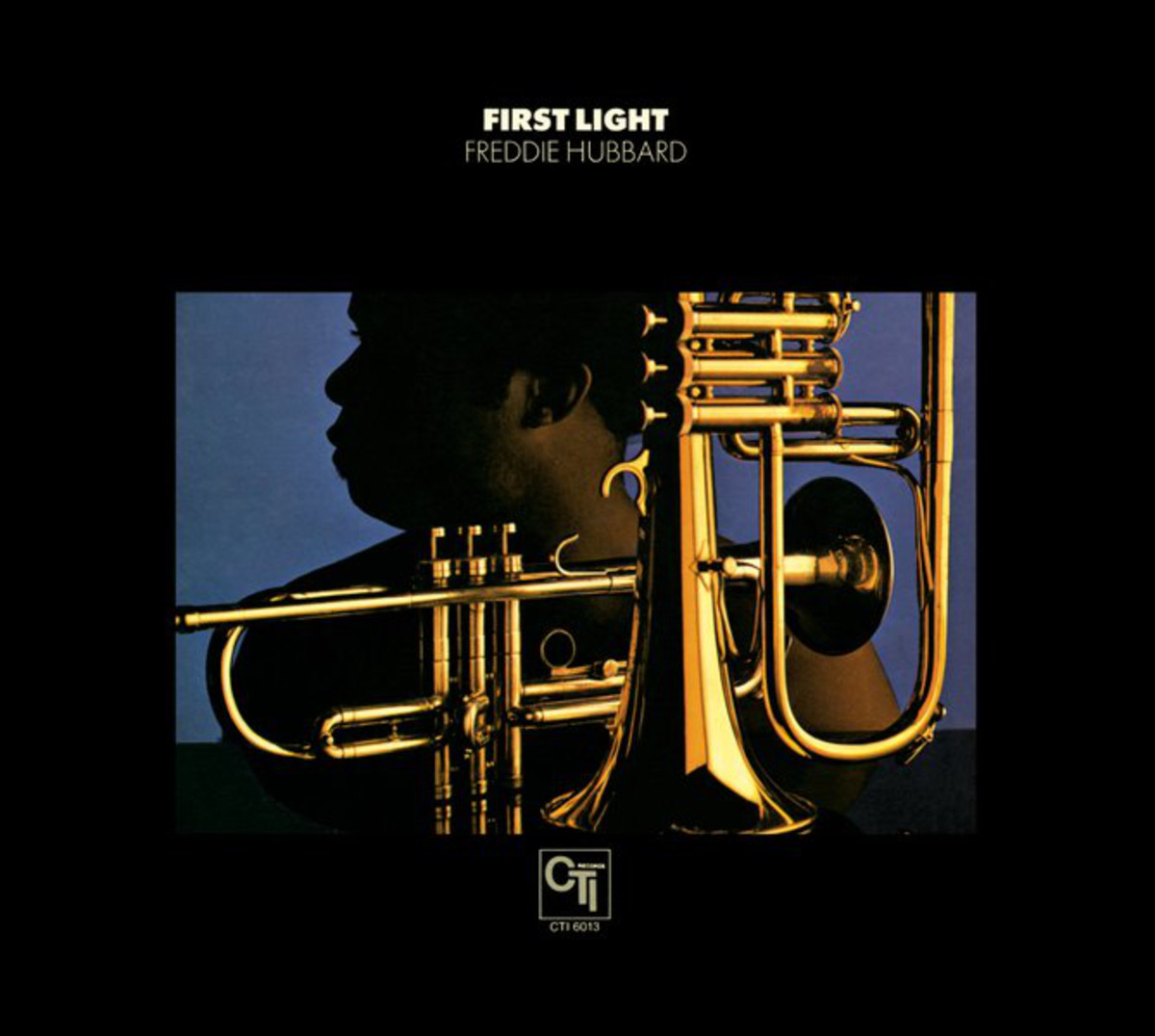
 1971First Light
 1962Hub-Tones
 1960Open Sesame