
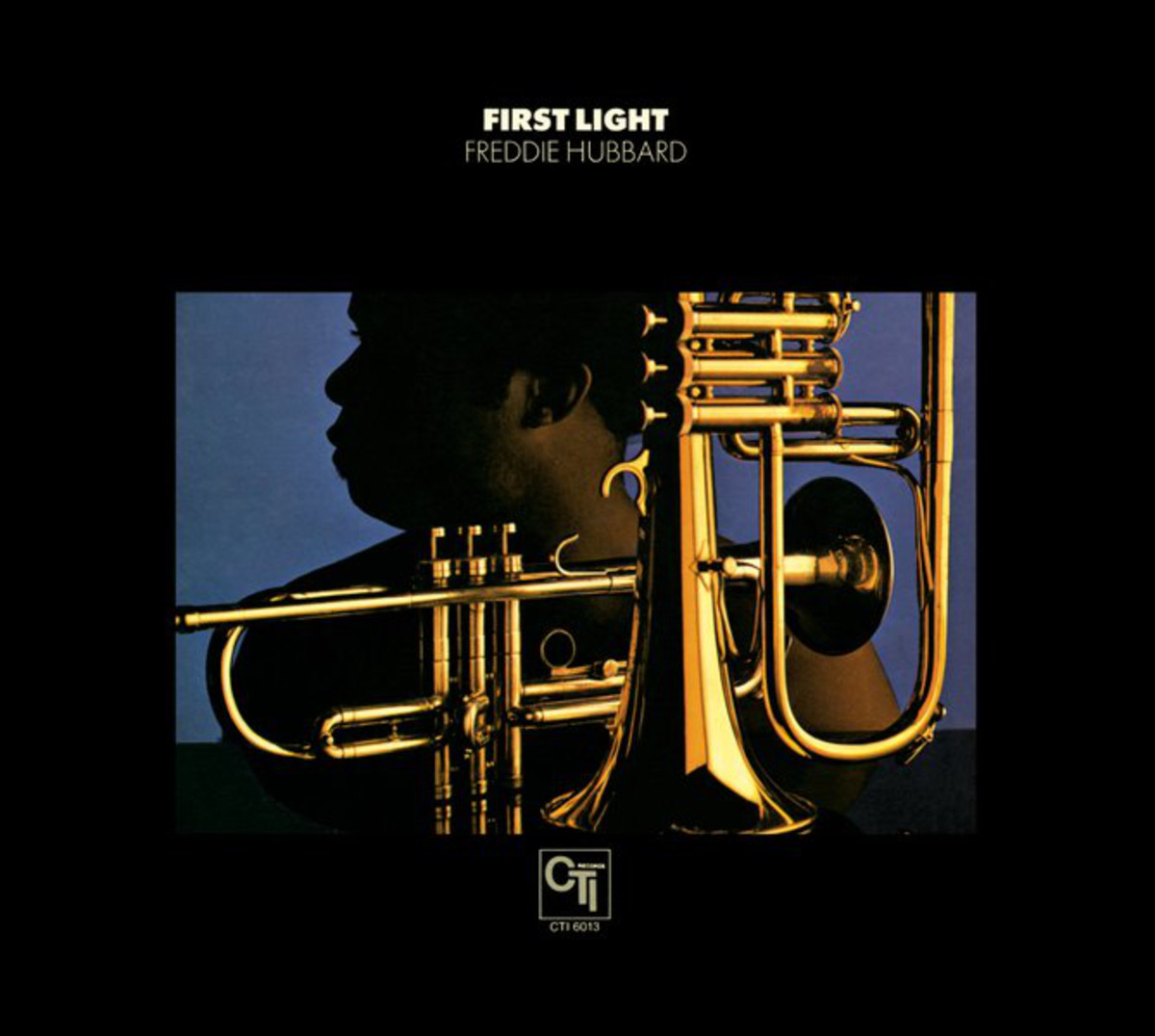
Exploring the sound of Freddie Hubbard: So Nobody Else Can Hear
So Nobody Else Can Hear- Album Overview
"So Nobody Else Can Hear," released in 1970, is a cornerstone of jazz trumpeter Freddie Hubbard's discography, showcasing his innovative approach to the genre. The album was produced by the legendary Blue Note Records, a label synonymous with high-quality jazz recordings. Hubbard, known for his virtuosic trumpet playing and impactful contributions to hard bop and post-bop, assembled a talented ensemble for this project, featuring notable musicians such as Wayne Shorter on tenor saxophone, McCoy Tyner on piano, Reggie Workman on bass, and Elvin Jones on drums. The album was recorded in the vibrant jazz scene of New York City, a hub for experimentation and collaboration during the late 1960s and early 1970s. The album includes compositions by Hubbard himself, as well as contributions from his collaborators, creating a rich tapestry of sound that reflects the era's evolving musical landscape. The title track, "So Nobody Else Can Hear," stands out for its intricate melodies and complex harmonies, showcasing Hubbard's command over his instrument. This release is particularly significant as it bridges the gap between traditional jazz elements and the emerging avant-garde influences of the time. The album’s blend of powerful improvisation and lyrical sensitivity paints a vivid picture of Hubbard's artistic vision, making it a must-listen for jazz enthusiasts and newcomers alike.
Review
The sound of "So Nobody Else Can Hear" is a testament to Freddie Hubbard's mastery of the trumpet, characterized by his bold, expressive style that captures both technical precision and emotional depth. The album delves into a variety of moods that reflect Hubbard's multifaceted approach to jazz, from the contemplative to the exuberant. Each track serves as a showcase for the interplay between Hubbard and his collaborators, particularly the synergy with Wayne Shorter, whose saxophone lines complement Hubbard's trumpet with a rich, complementary texture. Musically, the album stands as a bridge between the hard bop and avant-garde jazz movements, incorporating elements of modal jazz that were gaining popularity at the time. The compositions are not only complex but also deeply engaging, inviting listeners to explore the layers of sound that Hubbard and his band create. Hubbard's artistic vision is evident throughout, as he pushes boundaries while remaining rooted in the jazz tradition, a balance that enhances the album's cultural significance in the broader context of jazz history.
Highlights
- Exceptional trumpet performance showcasing Hubbard's technical prowess and emotional range.
- Intricate compositions that blend traditional jazz elements with avant-garde influences.
- Strong collaborative synergy among the talented ensemble of musicians.
Weak points
- Some tracks may be too avant-garde for listeners accustomed to more conventional jazz.
- The production style, while authentic, may feel dated to modern ears.
- Limited commercial appeal, which may overshadow its artistic merit.
Overall evaluation
"So Nobody Else Can Hear" is a pivotal album that highlights Freddie Hubbard's brilliance and innovative spirit. It stands as a significant work within the jazz canon, offering both challenges and rewards for listeners willing to engage with its complexity.
Personal rating: 8/10 1971First Light
 1962Hub-Tones
 1960Open Sesame