
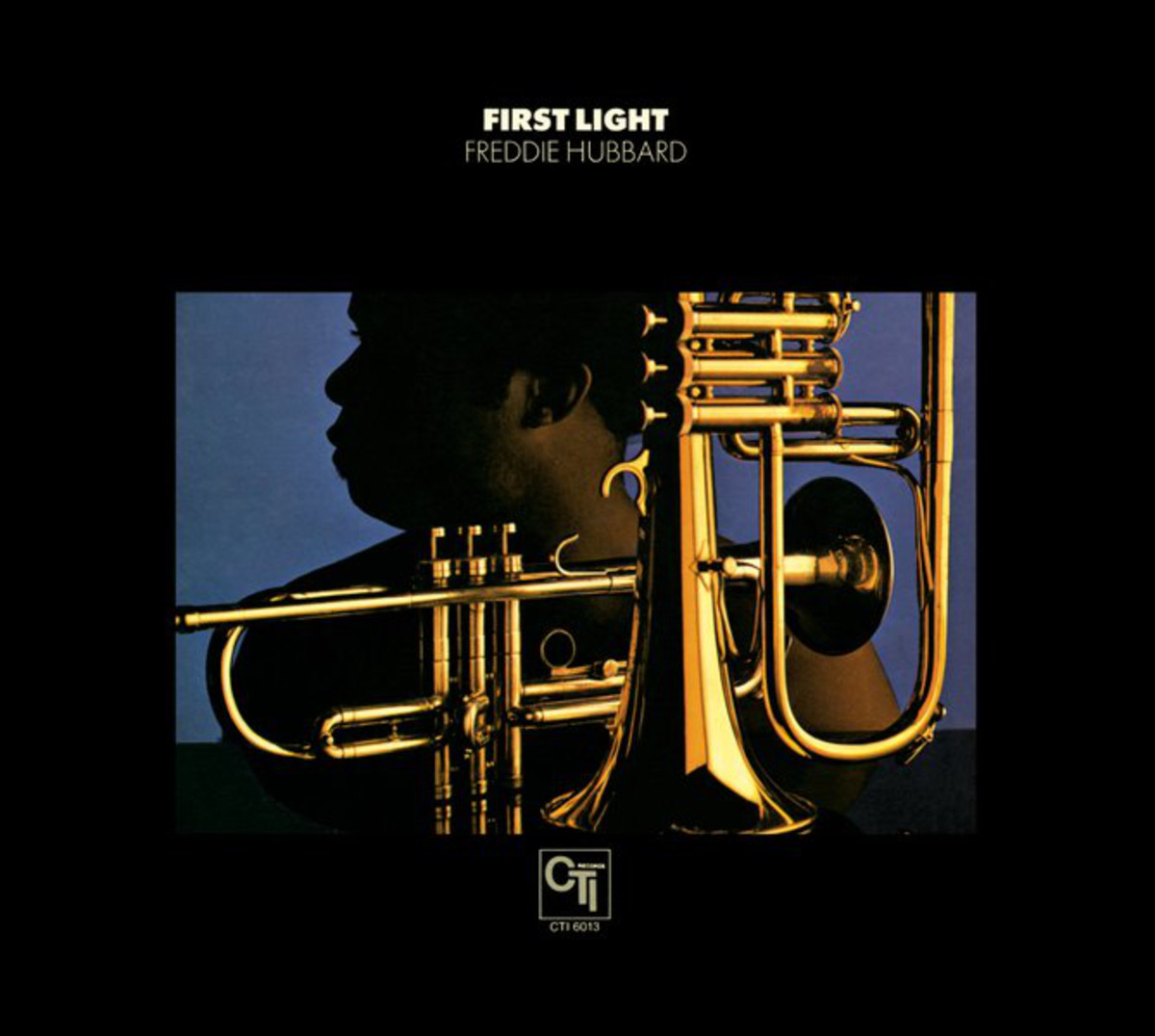
A closer look at Freddie Hubbard's album Echoes Of Blue
Echoes Of Blue- Album Overview
Released in 1963, "Echoes of Blue" is a seminal jazz album by the renowned trumpeter Freddie Hubbard, showcasing his remarkable talent and innovative approach to jazz. The album was produced under the Blue Note label, a cornerstone in the world of jazz music, known for its commitment to high-quality recordings and exceptional artists. "Echoes of Blue" features a dynamic blend of hard bop and modal jazz, reflecting the musical evolution of the time.
The album was recorded in a single session on February 14, 1963, at the Van Gelder Studio in Englewood Cliffs, New Jersey, a favored venue for many jazz legends. Hubbard was joined by an impressive ensemble, including pianist McCoy Tyner, bassist Art Davis, drummer Elvin Jones, and saxophonist Wayne Shorter, all notable figures in the jazz world, further enhancing the album's artistic depth.
The album consists of five tracks, with compositions that highlight Hubbard's virtuosic trumpet playing and his ability to blend complex harmonies with emotive melodies. Among the standout tracks, "Arietis" and "Weaver of Dreams" present a rich tapestry of sounds, allowing each musician to shine while contributing to a cohesive whole. "Echoes of Blue" is notable for its artistic ambition, capturing a period of transition in jazz where traditional forms were being reimagined.
Despite the lack of commercially released singles from the album, its cultural significance cannot be overstated. "Echoes of Blue" is considered a landmark recording in Hubbard's career and has influenced countless musicians and jazz enthusiasts over the decades, solidifying its place in the pantheon of jazz history.
Review
Freddie Hubbard's "Echoes of Blue" is a masterclass in jazz artistry. The album opens with a vibrant energy that captures the listener's attention immediately. Hubbard's trumpet work is both assertive and lyrical, showcasing his technical prowess while also conveying deep emotion. The interplay between the musicians is exceptional, with each member contributing to the overall texture of the sound. Tyner's piano work adds a layer of complexity, while the rhythm section, led by Jones's dynamic drumming, provides a strong foundation for Hubbard's soaring melodies.
The compositions themselves are rich and engaging, with a perfect balance of improvisation and structure. Hubbard's ability to navigate through various musical themes keeps the listener captivated throughout the album. The production quality is top-notch, allowing for clarity in the instrumentation that brings out the nuances in each performance. Overall, "Echoes of Blue" is not just an album; it is a profound exploration of jazz that resonates with both aficionados and new listeners alike.
Highlights
- Exceptional trumpet playing by Freddie Hubbard, showcasing both technical skill and emotional depth.
- A stellar ensemble cast, including jazz legends like McCoy Tyner and Wayne Shorter, enhancing the album's richness.
- Innovative compositions that reflect the transition in jazz styles during the early 1960s.
Weak points
- Some listeners may find the album's improvisational nature challenging if they prefer more structured compositions.
- Lack of commercial singles may limit the album's exposure to mainstream audiences.
- For those unfamiliar with jazz, the album might require a few listens to fully appreciate its intricacies.
Overall evaluation
"Echoes of Blue" stands as a testament to Freddie Hubbard's talent and the collaborative spirit of jazz. Its innovative sound and artistic ambition make it a must-listen for jazz enthusiasts and a significant piece of music history.
Personal rating: 9/10 1971First Light
 1962Hub-Tones
 1960Open Sesame