

Muddy Waters – They Call Me Muddy Waters: track-by-track perspective
They Call Me Muddy Waters- Album Overview
"They Call Me Muddy Waters" is a seminal album by the legendary blues musician Muddy Waters, released in 1956. This album is a significant part of the blues genre and showcases Waters' raw vocal power and exceptional guitar skills. Recorded at Universal Recording Studio in Chicago, the album features a mix of original songs and covers, all imbued with Waters' distinctive style. Notably, the production was helmed by the renowned blues producer Leonard Chess, who played a pivotal role in bringing Waters' music to a wider audience.
The album includes classic tracks such as "Hoochie Coochie Man," which has become an anthem of the blues genre, and "I Just Want to Make Love to You," showcasing Waters' ability to blend sexual innuendo with heartfelt emotion. Collaborators on the album include guitarists Jimmy Rogers and Otis Spann on piano, whose contributions greatly enhanced the album's overall sound. The album was released under the Chess Records label, which was instrumental in the careers of many blues and rock legends.
"They Call Me Muddy Waters" not only solidified Waters' reputation as the "father of modern Chicago blues" but also had a profound impact on future generations of musicians, influencing rock and roll artists like The Rolling Stones and Eric Clapton. The album is often regarded as a cornerstone of the blues genre, and its tracks remain staples in the blues repertoire. Its cultural significance extends beyond music, representing a pivotal moment in the African American musical narrative and the broader American cultural landscape.
Review
The sound of "They Call Me Muddy Waters" is a masterclass in blues, characterized by its gritty authenticity and emotional depth. Muddy's voice is both commanding and soulful, effortlessly conveying the pain and passion that are hallmarks of the genre. The instrumentation is tight, with the interplay between guitar and harmonica creating a dynamic backdrop for Waters' powerful vocals.
Lyrically, the album explores themes of love, desire, and hardship, with Waters' storytelling ability bringing the songs to life. Tracks like "Hoochie Coochie Man" not only showcase his prowess as a performer but also reflect the rich folklore of the blues tradition. The artistic vision of the album is clear: to present a raw and honest depiction of life through the lens of the blues, making it relatable to a broad audience.
Highlights
- Powerful vocal delivery from Muddy Waters, embodying the essence of blues.
- Exceptional instrumentation, particularly the guitar work and harmonica solos.
- Iconic tracks that have stood the test of time and continue to influence artists today.
Weak points
- Some tracks may feel dated to modern listeners unfamiliar with traditional blues.
- Limited diversity in musical style across the album, focusing heavily on classic blues forms.
- Production quality, while authentic, may lack the polish of contemporary recordings.
Overall evaluation
"They Call Me Muddy Waters" is an essential album that captures the heart and soul of blues music. It remains a pivotal work in Muddy Waters' discography and a touchstone for anyone interested in the roots of rock and blues. Its cultural impact and musical integrity make it a must-listen for both aficionados and newcomers alike.
Personal rating: 9/10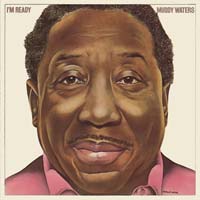 1978I'm Ready
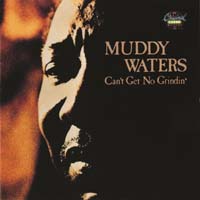 1973Can't Get No Grindin'
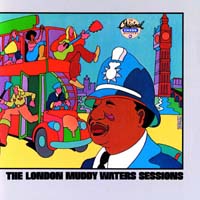 1972The London Muddy Waters Sessions
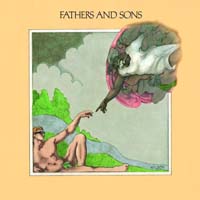 1969Fathers and Sons
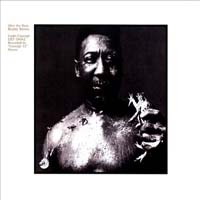 1969After the Rain