ALBUM NOTESWhy Muddy Waters's Muddy, Brass and the Blues matters
Muddy, Brass and the Blues- Album Overview
Muddy Waters's album "Muddy, Brass and the Blues," released in 1970, marks a significant entry in the blues genre and reflects an important phase in Waters's illustrious career. Released by Chess Records, this album showcases Waters's ability to blend traditional blues with a touch of brass instrumentation, a departure from his earlier, more stripped-down sound. The album was produced by the legendary producer Johnny Pate, known for his innovative approach to music production.
Recorded in the late 1960s and early 1970s, "Muddy, Brass and the Blues" features an exceptional lineup of musicians, including the renowned saxophonist Gene Barge and trumpeter Walter "Wolfman" Washington, who contribute to the album's distinctive sound. The album consists of a collection of tracks that not only highlight Waters's powerful vocals and guitar prowess but also the rich textures provided by the brass sections.
Notable tracks include "I Got My Mojo Working," which remains a staple in Waters's repertoire, and "Hoochie Coochie Man," both of which exemplify his masterful storytelling and deep connection to the blues tradition. The album’s significance lies not only in its musical composition but also in its cultural impact, representing a transitional moment for blues music as it began to integrate more diverse influences during the late 20th century. Waters's work on this album continues to resonate with musicians and fans alike, keeping the blues alive and relevant.
Review
"Muddy, Brass and the Blues" offers a fascinating exploration of Muddy Waters's artistic vision, showcasing his characteristic rawness while embracing new musical elements. The fusion of blues with brass instruments creates a rich auditory landscape that feels both fresh and familiar. Waters's vocal delivery remains as commanding as ever, with each note dripping with emotion and urgency.
The lyrical content throughout the album stays true to the blues tradition, focusing on themes of love, hardship, and resilience. The arrangements bring a new depth to familiar stories, allowing Waters to convey his narrative with a vibrant backdrop of melodic brass. The album's production quality is commendable, capturing the energy of live performances while maintaining clarity and intimacy.
Despite some moments feeling slightly overproduced, the overall effect is a celebration of blues music that honors its roots while exploring new territory. The interplay between Waters's guitar and the brass sections provides a dynamic listening experience, showcasing his adaptability as an artist in a changing musical landscape.
Highlights
- The innovative use of brass sections adds a unique flavor to the traditional blues sound.
- Muddy Waters's powerful vocals shine, demonstrating his mastery of the genre.
- The album features classic tracks that remain integral to Waters's legacy and the blues canon.
Weak points
- Some tracks may feel overproduced compared to Waters's rawer earlier works.
- The experimentation with brass might not appeal to purist blues fans.
- Lyrical themes, while strong, may lack the depth found in some of his earlier compositions.
Overall evaluation
"Muddy, Brass and the Blues" stands as a testament to Muddy Waters's enduring legacy and innovative spirit. While it may diverge from traditional blues, it successfully captures a moment of artistic evolution. This album is essential for any blues aficionado looking to understand the genre's transformation in the late 20th century.
Personal rating: 8/10


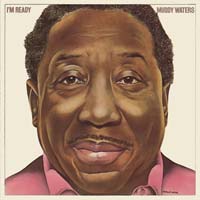 1978I'm Ready
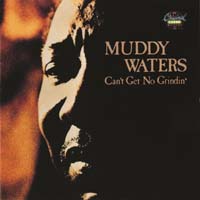 1973Can't Get No Grindin'
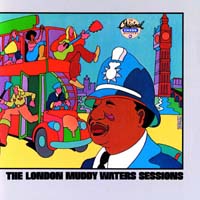 1972The London Muddy Waters Sessions
 1969Fathers and Sons
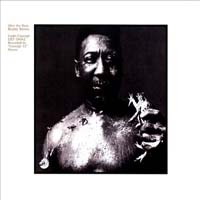 1969After the Rain