

Master Of The Blues by Muddy Waters: expectations vs reality
Master Of The Blues- Album Overview
"Master of the Blues," released in 1977, is a compilation album by the legendary blues musician Muddy Waters. The album was put out by the prestigious Chess Records, a label synonymous with the Chicago blues sound that Waters helped to pioneer. This compilation primarily assembles tracks recorded during the 1950s and early 1960s, a golden era for Waters, showcasing his profound influence on the genre. The album features classic tracks such as "Hoochie Coochie Man," "Mannish Boy," and "Got My Mojo Working," which highlight his signature slide guitar work, powerful vocals, and evocative storytelling. The compilation serves as a testament to Waters' role in shaping the blues genre, bridging rural Delta blues with urban Chicago styles, and influencing countless artists across multiple genres. The production quality reflects the raw, authentic sound of the era, capturing the energy of live performances. Collaborators on these tracks included notable musicians such as Little Walter and Jimmy Rogers, whose contributions helped define the electric blues sound. "Master of the Blues" not only showcases Waters' musical prowess but also serves as a cultural artifact, encapsulating the spirit of the civil rights era and the migration of African American music to the mainstream. This album remains a pivotal collection for both longtime fans and new listeners, offering a rich introduction to Waters' extensive catalog and the broader implications of blues music in America's musical landscape.
Review
The sound of "Master of the Blues" is both timeless and vibrant, encapsulating the essence of Muddy Waters' artistry. The raw energy of his guitar riffs and the deep, resonant quality of his voice create an immersive listening experience that transports the audience to the smoky juke joints of Chicago. Waters' lyrics reflect not only personal experiences but also broader themes of love, struggle, and resilience, resonating deeply with audiences. The album's production strikes a balance between polished and raw, preserving the authenticity of Waters' music while ensuring clarity in the instrumentation. Each track stands out, showcasing the interplay between Waters and his backing musicians, creating a dynamic that feels alive. The album serves as a reminder of Waters' innovative spirit, as he seamlessly blends traditional blues with emerging rock influences, setting the stage for future generations of musicians. Overall, the artistic vision of "Master of the Blues" remains impactful, solidifying Muddy Waters' legacy as a master of the genre.
Highlights
- Iconic tracks that define the Chicago blues sound.
- Muddy Waters' powerful and emotive vocal delivery.
- Exceptional musicianship from collaborators, enhancing the overall sound.
Weak points
- As a compilation, it lacks the cohesion of a conceptual album.
- Some classic tracks are notably absent, which might disappoint purists.
- Production quality varies between tracks, reflecting the era's recording techniques.
Overall evaluation
"Master of the Blues" serves as a compelling introduction to Muddy Waters' profound impact on the blues genre. While it may not encompass every notable track from his career, it effectively captures the essence of his artistry and the cultural significance of his music. This compilation remains an essential listen for anyone looking to understand the roots of blues and its evolution through the decades.
Personal rating: 8/10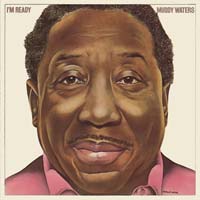 1978I'm Ready
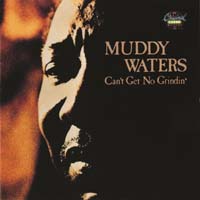 1973Can't Get No Grindin'
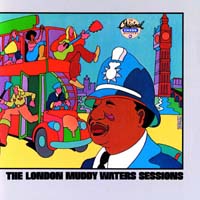 1972The London Muddy Waters Sessions
 1969Fathers and Sons
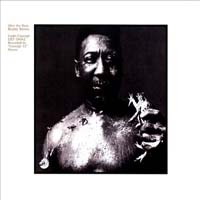 1969After the Rain