

How Muddy Waters shaped the sound of Live In Paris, 1968
Live In Paris, 1968- Album Overview
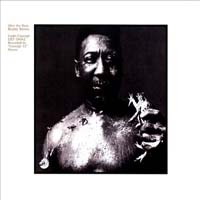
"Live In Paris, 1968," released in 1971, is a significant live album by the legendary blues musician Muddy Waters. Captured during a performance at the prestigious Olympia Theatre in Paris, this album showcases Waters at the height of his powers, blending traditional Delta blues with the burgeoning rock influences of the era. The recording was released on the Chess Records label, a company synonymous with Chicago blues and one that played a pivotal role in bringing Waters’ music to a wider audience.
The concert features a robust lineup of musicians, including the famed guitarist Mike Bloomfield and harmonica player Paul Oscher, alongside Waters’ regular band members. These collaborations highlight Waters' ability to adapt and evolve while staying true to his roots. The setlist includes classic tracks such as "Hoochie Coochie Man," "Mannish Boy," and "Got My Mojo Working," each infused with vibrant energy and raw emotion, capturing the essence of live blues performance.
The cultural significance of "Live In Paris, 1968" cannot be understated. It reflects the global reach of American blues during the late 1960s and how it influenced the European music scene, particularly in France. This album helped solidify Waters’ reputation as the 'father of modern Chicago blues,' influencing countless musicians across genres. The recording serves not only as a testament to Waters' artistry but also as a pivotal moment in the cross-pollination of blues and rock music, which would shape the sounds of future generations.
Review
The sound of "Live In Paris, 1968" is a powerful blend of raw energy and polished musicianship. Muddy Waters’ vocals are commanding, imbued with an authenticity that draws the listener into the depths of his experience. The album showcases his mastery of narrative songwriting, with lyrics that resonate with themes of love, hardship, and resilience. Each track is a journey, marked by Waters' expressive guitar work and the tight interplay of his backing band.
The production captures the ambiance of a live performance, allowing the audience's reactions to seep into the recording, enhancing the overall experience. The interplay between Waters and his band members creates a dynamic atmosphere that feels both intimate and electrifying. The musicianship is remarkable, with each player contributing to a cohesive sound that pays homage to the blues while embracing contemporary influences. This balance of tradition and innovation is a hallmark of Waters' artistic vision, making this album a standout in his discography.
Highlights
- Powerful vocal performances that convey deep emotion and authenticity.
- Dynamic musicianship, showcasing the synergy between Waters and his band.
- A culturally significant snapshot of blues during a transformative time in music history.
Weak points
- Occasional sound quality issues typical of live recordings from this era.
- Some tracks may feel less polished compared to studio recordings.
- Limited availability of physical formats may hinder accessibility for new listeners.
Overall evaluation
"Live In Paris, 1968" stands as a testament to Muddy Waters’ legacy, encapsulating the spirit of blues music in a transformative era. It offers an authentic listening experience that highlights the raw power of live performance. The album not only celebrates Waters' artistry but also serves as a key piece in understanding the evolution of modern music.
Personal rating: 9/10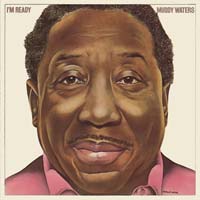 1978I'm Ready
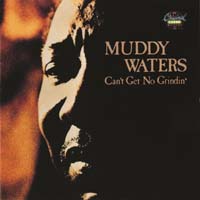 1973Can't Get No Grindin'
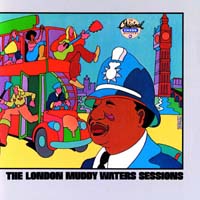 1972The London Muddy Waters Sessions
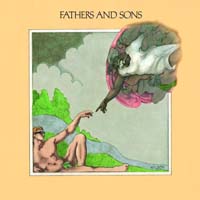 1969Fathers and Sons
 1969After the Rain