
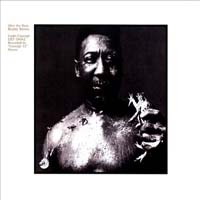
From intro to finale: what After the Rain delivers
After the Rain- Album Overview
"After the Rain" is a seminal album by the legendary blues artist Muddy Waters, released in 1969 on the Chess Records label. This album marks a significant point in Waters' career, showcasing his ability to blend traditional blues with modern influences. The recording took place in Chicago, where Waters was known to thrive, surrounded by a talented group of musicians, including the likes of Johnny Winters, who contributed both guitar and production expertise.
The album features a range of tracks that highlight Waters' signature style, weaving together electric blues with soulful lyrics and powerful instrumentation. Notable songs include "After the Rain," which serves as a poignant reflection on love and loss, and "I Can't Be Satisfied," a reimagined rendition of one of his earlier classics. The album's production is crisp, thanks to Winters’ involvement, and it reflects the transitional period of the late 1960s where blues was beginning to influence rock music more prominently.
"After the Rain" stands as a cultural artifact, capturing the essence of a time when blues was evolving. The album is significant not only for its musical content but also for its role in introducing a new audience to the genre. The lyrical themes explore universal emotions, making them relatable across generations. The blend of electric guitar riffs with Waters' deep, resonant voice solidifies this album as a critical piece in the blues canon, appealing to both die-hard fans and newcomers alike.
Review
The sound of "After the Rain" is a masterclass in blues evolution. Muddy Waters' deep, gravelly voice carries an emotional weight that resonates throughout the album. The blend of traditional blues elements with contemporary rock influences creates a dynamic soundscape that is rich and engaging. Tracks like "After the Rain" are imbued with a sense of longing and introspection, while others like "I Can't Be Satisfied" showcase Waters' storytelling prowess.
Musically, the album features powerful guitar solos and tight rhythms that are characteristic of Waters’ style. The collaboration with Johnny Winters adds a fresh perspective, enhancing the overall production quality. Lyrically, the album captures the essence of human experience—loss, desire, and resilience—making it relatable to a wide audience. Waters' artistic vision shines through, as he deftly navigates the emotional landscape of each song, leaving a lasting impression on the listener.
Highlights
- Powerful vocal delivery by Muddy Waters that conveys deep emotion.
- Excellent production quality thanks to Johnny Winters' involvement.
- A perfect blend of traditional blues with modern rock influences.
Weak points
- Some tracks may feel less impactful compared to Waters' earlier work.
- The album's pacing can be uneven at times.
- A few songs could benefit from more varied instrumentation.
Overall evaluation
"After the Rain" is a compelling album that showcases Muddy Waters' enduring legacy in the blues genre. While it has its weaknesses, the emotional depth and musicality make it a worthwhile listen for any blues enthusiast. This album serves as a bridge between traditional and modern blues, encapsulating a pivotal moment in music history.
Personal rating: 8/10 2020All Aboard
 1978I'm Ready
 1973Can't Get No Grindin'
 1972The London Muddy Waters Sessions
 1969Fathers and Sons