

Is Electric Mud Muddy Waters's best work yet?
Electric Mud- Album Overview
"Electric Mud," released in 1968, represents a significant departure for the legendary blues artist Muddy Waters. This album, produced by the renowned Johnny Winter and released under Chess Records, sought to bridge the gap between traditional blues and the burgeoning psychedelic rock movement of the late 1960s. It features a unique blend of electric blues, incorporating elements of rock, funk, and soul, which was somewhat controversial among Waters's purist fan base.
The recording sessions for "Electric Mud" took place at the famed RCA Studios in Chicago, where Waters collaborated with a group of talented musicians including bass guitarist Phil Upchurch and drummer Maurice White, who would later become famous as the founder of Earth, Wind & Fire. The album's sound is characterized by its heavy use of electric guitar, with innovative effects that capture the spirit of the era.
"Electric Mud" includes notable tracks such as "I Just Want to Make Love to You" and "Hoochie Coochie Man," which, while retaining the essence of Waters's blues roots, are presented in a more electrified and experimental manner. The album's lead single, "I Got My Mojo Working," exemplifies this fusion of styles, showcasing Waters's powerful vocals alongside a contemporary rock vibe.
Culturally, "Electric Mud" is significant as it reflects the changing landscape of music during the late 1960s, where artists began to explore new sounds and genres. While initially met with mixed reviews, the album has gained recognition over the years as a pioneering work that helped to redefine the boundaries of blues music.
Review
The sound of "Electric Mud" is undeniably electrifying, with Muddy Waters's deep, resonant voice soaring over a backdrop of fuzz-laden guitars and dynamic rhythms. The album captures a raw energy that is both captivating and disorienting, as Waters navigates this new musical territory. Lyrically, the themes remain rooted in love and desire, yet they are delivered with an urgency that reflects the sonic experimentation of the time.
Artistically, Waters's willingness to embrace a new sound demonstrates his adaptability and forward-thinking nature as a musician. While some critics may argue that the album strays too far from his traditional blues roots, it is precisely this willingness to innovate that marks "Electric Mud" as a crucial moment in Waters's career. It showcases not only his iconic status in the blues genre but also his ability to resonate with a younger audience seeking something fresh and exciting.
Highlights
- Innovative fusion of blues and psychedelic rock.
- Muddy Waters's powerful and expressive vocal performance.
- Groundbreaking production techniques that capture the essence of the late 1960s.
Weak points
- Departure from traditional blues may alienate purists.
- Some tracks may feel dated to contemporary listeners.
- Inconsistent quality across songs, with a few lacking the depth of Waters's earlier work.
Overall evaluation
"Electric Mud" stands as a unique and transformative piece in Muddy Waters's discography, representing both a bold experiment and a cultural statement. While it might not be everyone's favorite work, its historical significance and innovative spirit cannot be denied.
Personal rating: 7/10 1978I'm Ready
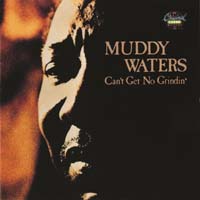 1973Can't Get No Grindin'
 1972The London Muddy Waters Sessions
 1969Fathers and Sons
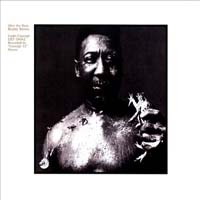 1969After the Rain