Biography
Muddy Waters: history and sound
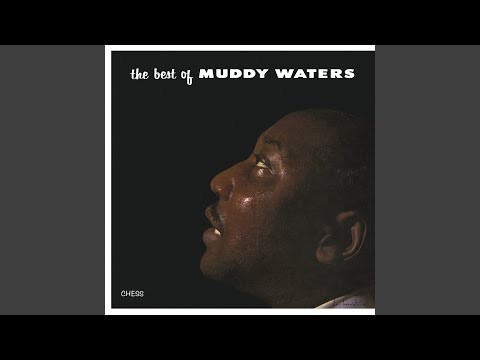
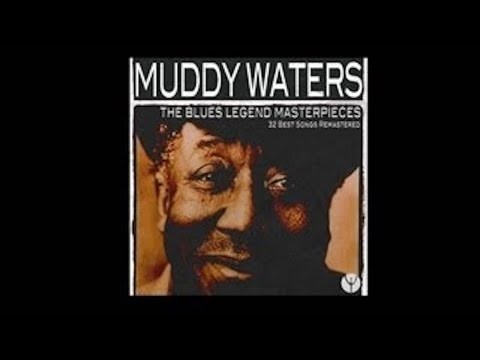
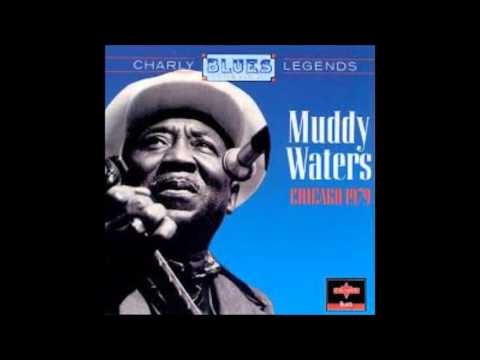
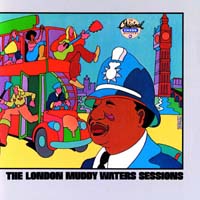
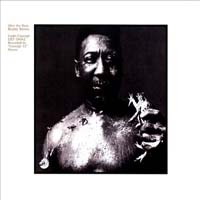
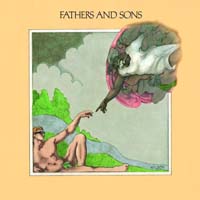
McKinley Morganfield (April 4, 1913 – April 30, 1983), known as Muddy Waters, was an American blues musician. While many artists have put their stamp on the genre of blues, it's Muddy Waters that truly stands out. His passion oozes through every note he plays in a powerful display of Blues excellence. From iconic hits like Mannish Boy and Rollin'Stone, to vulnerable ballads like I Feel Like Going Home and electrical redefinitions of traditional works such as Sittin' Here Goin' Crazy, Muddy Waters was an unparalleled master of the 12 bars and delta sounds. He encapsulated the best of decade's American folk, capturing dynamic forces clashed between middle age reverence for respectability and youthful desire for experimentation. To this day, his timeless performances continue to touch music lovers all over the world, and will no doubt remain part of radio station playlists forever.
The Blues Legend Muddy Waters: A Musical Biography
For many music lovers, the name Muddy Waters is synonymous with the electrifying sound of the blues. Born McKinley Morganfield in Mississippi in 1913, Muddy Waters was a pioneer of the Chicago blues scene and one of the most influential artists of the 20th century. In this blog post, we'll dive into Muddy Waters' musical biography, explore his best songs and music genre, and examine his famous concerts and critical reception.
Muddy Waters' musical journey began in the Mississippi Delta where he picked up the guitar and harmonica at the age of 17. He performed at local gatherings and juke joints before moving to Chicago in 1943. It was here that he became a star of the blues scene, recording seminal tracks such as I Can't Be Satisfied and Rolling Stone for the Chess Brothers' record label. His fusion of Delta blues, electrified instruments, and urban sensibilities became a blueprint for rock and roll.
Muddy Waters' music is characterized by its rawness, intensity, and soulfulness. His deep, stentorian voice and biting guitar work embodied the blues's pain and longing, while his lyrics painted vivid pictures of life in America's South. Some of his best-known songs include Hoochie Coochie Man, Mannish Boy, I'm Your Hoochie Coochie Man, and Long Distance Call. These tracks are recognizable by their driving rhythms, hypnotic hooks, and evocative lyrics.
Muddy Waters' influence on rock music is immeasurable. He inspired artists such as Led Zeppelin, the Rolling Stones, and Jimi Hendrix, who all covered his songs. His sound ushered in a new era of guitar playing, with his distinctive style influencing dozens of blues and rock musicians. He is often credited with forming the Chicago blues scene and ushering in the blues revival of the 1960s.
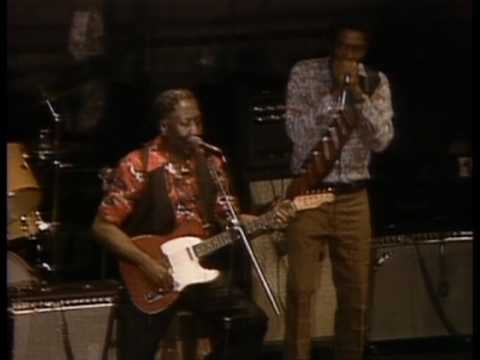
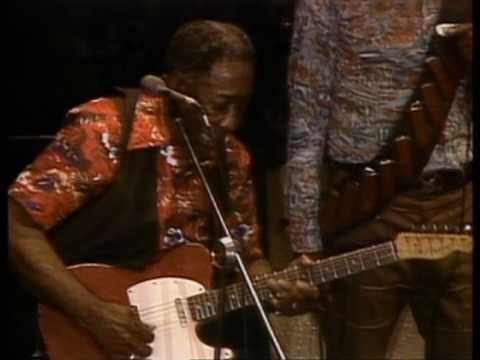
One of Muddy Waters' most famous concerts took place in 1960 at the Newport Folk Festival. This performance was later released as a live album and became one of the defining albums of the blues revival. The concert showcased Waters' virtuosic guitar playing and powerful vocals, making him an icon of American music. Critics praised the record, hailing it as a masterpiece of blues and folk music. The concert solidified Muddy Waters' status as a legend of the blues.
Despite his fame and influence, Muddy Waters never stopped innovating. His later work experimented with different styles and genres, incorporating elements of funk, soul, and rock. He continued to perform and record until his death in 1983, leaving behind a legacy that shaped the course of modern music.
Muddy Waters' musical biography is a testament to the power of the blues. His electrifying sound, raw energy, and poignant lyrics inspired generations of musicians and fans alike. His songs continue to inspire and resonate with audiences today, proving that the blues is truly timeless. As we look back on Muddy Waters' life and artistry, we are reminded of the depth and richness of American music and the enduring legacy of one of its greatest legends.
Muddy Waters' musical biography is a testament to the power of the blues. His electrifying sound, raw energy, and poignant lyrics inspired generations of musicians and fans alike. His songs continue to inspire and resonate with audiences today, proving that the blues is truly timeless. As we look back on Muddy Waters' life and artistry, we are reminded of the depth and richness of American music and the enduring legacy of one of its greatest legends.
The Blues Legend Muddy Waters: A Musical Biography
For many music lovers, the name Muddy Waters is synonymous with the electrifying sound of the blues. Born McKinley Morganfield in Mississippi in 1913, Muddy Waters was a pioneer of the Chicago blues scene and one of the most influential artists of the 20th century. In this blog post, we'll dive into Muddy Waters' musical biography, explore his best songs and music genre, and examine his famous concerts and critical reception.
Muddy Waters' musical journey began in the Mississippi Delta where he picked up the guitar and harmonica at the age of 17. He performed at local gatherings and juke joints before moving to Chicago in 1943. It was here that he became a star of the blues scene, recording seminal tracks such as I Can't Be Satisfied and Rolling Stone for the Chess Brothers' record label. His fusion of Delta blues, electrified instruments, and urban sensibilities became a blueprint for rock and roll.
Muddy Waters' music is characterized by its rawness, intensity, and soulfulness. His deep, stentorian voice and biting guitar work embodied the blues's pain and longing, while his lyrics painted vivid pictures of life in America's South. Some of his best-known songs include Hoochie Coochie Man, Mannish Boy, I'm Your Hoochie Coochie Man, and Long Distance Call. These tracks are recognizable by their driving rhythms, hypnotic hooks, and evocative lyrics.
Muddy Waters' influence on rock music is immeasurable. He inspired artists such as Led Zeppelin, the Rolling Stones, and Jimi Hendrix, who all covered his songs. His sound ushered in a new era of guitar playing, with his distinctive style influencing dozens of blues and rock musicians. He is often credited with forming the Chicago blues scene and ushering in the blues revival of the 1960s.
One of Muddy Waters' most famous concerts took place in 1960 at the Newport Folk Festival. This performance was later released as a live album and became one of the defining albums of the blues revival. The concert showcased Waters' virtuosic guitar playing and powerful vocals, making him an icon of American music. Critics praised the record, hailing it as a masterpiece of blues and folk music. The concert solidified Muddy Waters' status as a legend of the blues.
Despite his fame and influence, Muddy Waters never stopped innovating. His later work experimented with different styles and genres, incorporating elements of funk, soul, and rock. He continued to perform and record until his death in 1983, leaving behind a legacy that shaped the course of modern music.
Muddy Waters' musical biography is a testament to the power of the blues. His electrifying sound, raw energy, and poignant lyrics inspired generations of musicians and fans alike. His songs continue to inspire and resonate with audiences today, proving that the blues is truly timeless. As we look back on Muddy Waters' life and artistry, we are reminded of the depth and richness of American music and the enduring legacy of one of its greatest legends.
Muddy Waters' musical biography is a testament to the power of the blues. His electrifying sound, raw energy, and poignant lyrics inspired generations of musicians and fans alike. His songs continue to inspire and resonate with audiences today, proving that the blues is truly timeless. As we look back on Muddy Waters' life and artistry, we are reminded of the depth and richness of American music and the enduring legacy of one of its greatest legends.