Biography
Howlin' Wolf: history and sound
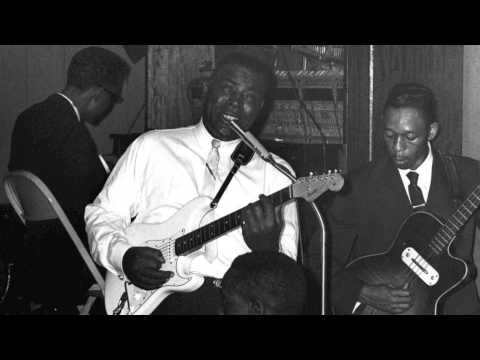
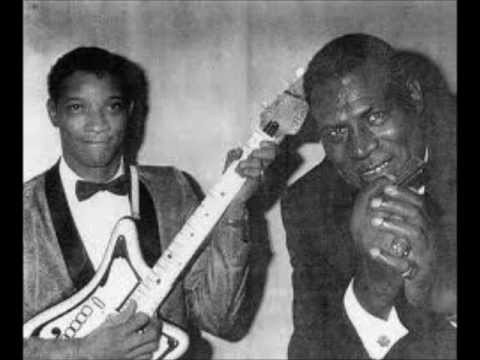
Chester Arthur Burnett (June 10, 1910 – January 10, 1976), known as Howlin' Wolf, was an influential American blues singer, guitarist and harmonica player. The legendary Howlin' Wolf had a truly uplifting sound that always made you feel light and happy. His raspy and soulful grandeur transcends all his music, creating truly meaningful melodies that stay humming in your head for days. Listening to his classic songs, it's easy to get lost in the dynamics of his sound —his remarkable voice never fails to capture your attention and make you groove along with him through foot stomping blues and moving folk. Even after so many years, Howlin' Wolf is still celebrated for leaving behind some of the best musical compositions in history.
Howlin' Wolf: Discovering the Life and Music of a Blues Legend
Howlin' Wolf is a name that commands respect and admiration in the music world. Known for his deep, powerful voice and unforgettable stage presence, the blues artist has left an indelible mark on the genre. Born Chester Arthur Burnett on June 10, 1910, in White Station, Mississippi, he grew up on a plantation and was exposed to the music of his surroundings. He went on to become a household name, recording some of the most iconic blues pieces of all time. In this article, we will delve into the life and music of Howlin' Wolf, exploring his musical biography, the genre he helped pioneer, some of his best songs, and analyzing one of his most famous concerts.
Howlin' Wolf began his music journey by playing harmonica and guitar when he was a young child, although he started performing actively in his late teens. He worked odd jobs while performing in juke joints before moving to Memphis, where he began recording some of his most notable blues songs. Howlin' Wolf was known primarily for the way he sang, with a deep, booming voice that commanded attention and left audiences spellbound. His signature sound is credited with inspiring several rock legends, such as Led Zeppelin and the Rolling Stones.
One of Howlin' Wolf's most well-known songs is Smokestack Lightning. Released in 1956, it is considered an early example of electric blues and has become a cornerstone of his legacy. The song's opening riff is instantly recognizable and sets the stage for the rest of the track. Another fan favorite from the musician is Killing Floor, which features a more upbeat tempo and showcases his vocal delivery. Known for his versatility, Howlin' Wolf made another classic with Moanin' at Midnight, which was one of his first hits. The song displays his slower, more soulful side and highlights his deep phrasing and emotional depth.
Howlin' Wolf fell under the category of blues music, which was a genre born in the African-American communities during the late 1800s and continued to grow. The blues was originally used as an outlet for African Americans to express their feelings of hardship, oppression, and pain. Indisputably, the blues are one of the most important musical genres of the 20th century.
One of Howlin’ Wolf’s most famous concerts was featured in the documentary The American Folk Blues Festival, which is set in Germany and shows some of the world’s finest blues musicians on stage. Howlin’ Wolf featured in the festival as part of his European tour, which took him to various countries like France and Greece. The energetic and lively performance showcased his powerful singing and commanding stage presence.
Critics have recognized Howlin' Wolf's status as a blues legend, writing extensively about his contributions to the genre. Robert Palmer, a former music critic for the New York Times, once described Howlin' Wolf's style as the epitome of the blues singer's art. He went on to influence countless other musicians with his unique approach to singing and his ability to infuse emotion and meaning into every note he played.
Howlin' Wolf's impact on music is indelible, and he remains an influential figure today. His music is characterized by powerful vocals, soulful performances, and meaningful messages. He was a true pioneer of the blues, and his influence continues to shape modern music. For those who have not had the chance to explore his catalog of songs, it's never too late. Howlin' Wolf is a must-listen for anyone who loves music or wants to discover the roots of blues.
Howlin' Wolf's impact on music is indelible, and he remains an influential figure today. His music is characterized by powerful vocals, soulful performances, and meaningful messages. He was a true pioneer of the blues, and his influence continues to shape modern music. For those who have not had the chance to explore his catalog of songs, it's never too late. Howlin' Wolf is a must-listen for anyone who loves music or wants to discover the roots of blues.
Howlin' Wolf: Discovering the Life and Music of a Blues Legend
Howlin' Wolf is a name that commands respect and admiration in the music world. Known for his deep, powerful voice and unforgettable stage presence, the blues artist has left an indelible mark on the genre. Born Chester Arthur Burnett on June 10, 1910, in White Station, Mississippi, he grew up on a plantation and was exposed to the music of his surroundings. He went on to become a household name, recording some of the most iconic blues pieces of all time. In this article, we will delve into the life and music of Howlin' Wolf, exploring his musical biography, the genre he helped pioneer, some of his best songs, and analyzing one of his most famous concerts.
Howlin' Wolf began his music journey by playing harmonica and guitar when he was a young child, although he started performing actively in his late teens. He worked odd jobs while performing in juke joints before moving to Memphis, where he began recording some of his most notable blues songs. Howlin' Wolf was known primarily for the way he sang, with a deep, booming voice that commanded attention and left audiences spellbound. His signature sound is credited with inspiring several rock legends, such as Led Zeppelin and the Rolling Stones.
One of Howlin' Wolf's most well-known songs is Smokestack Lightning. Released in 1956, it is considered an early example of electric blues and has become a cornerstone of his legacy. The song's opening riff is instantly recognizable and sets the stage for the rest of the track. Another fan favorite from the musician is Killing Floor, which features a more upbeat tempo and showcases his vocal delivery. Known for his versatility, Howlin' Wolf made another classic with Moanin' at Midnight, which was one of his first hits. The song displays his slower, more soulful side and highlights his deep phrasing and emotional depth.
Howlin' Wolf fell under the category of blues music, which was a genre born in the African-American communities during the late 1800s and continued to grow. The blues was originally used as an outlet for African Americans to express their feelings of hardship, oppression, and pain. Indisputably, the blues are one of the most important musical genres of the 20th century.
One of Howlin’ Wolf’s most famous concerts was featured in the documentary The American Folk Blues Festival, which is set in Germany and shows some of the world’s finest blues musicians on stage. Howlin’ Wolf featured in the festival as part of his European tour, which took him to various countries like France and Greece. The energetic and lively performance showcased his powerful singing and commanding stage presence.
Critics have recognized Howlin' Wolf's status as a blues legend, writing extensively about his contributions to the genre. Robert Palmer, a former music critic for the New York Times, once described Howlin' Wolf's style as the epitome of the blues singer's art. He went on to influence countless other musicians with his unique approach to singing and his ability to infuse emotion and meaning into every note he played.
Howlin' Wolf's impact on music is indelible, and he remains an influential figure today. His music is characterized by powerful vocals, soulful performances, and meaningful messages. He was a true pioneer of the blues, and his influence continues to shape modern music. For those who have not had the chance to explore his catalog of songs, it's never too late. Howlin' Wolf is a must-listen for anyone who loves music or wants to discover the roots of blues.
Howlin' Wolf's impact on music is indelible, and he remains an influential figure today. His music is characterized by powerful vocals, soulful performances, and meaningful messages. He was a true pioneer of the blues, and his influence continues to shape modern music. For those who have not had the chance to explore his catalog of songs, it's never too late. Howlin' Wolf is a must-listen for anyone who loves music or wants to discover the roots of blues.