Album overview
The self-titled album "Howlin' Wolf," released in 1962, is a cornerstone of the Chicago blues genre and showcases the raw talent of one of its most iconic figures, Chester Arthur Burnett, better known as Howlin' Wolf. Released under the Chess Records label, this album was produced by the legendary Willie Dixon, who played a pivotal role in shaping the sound of blues music during this era. The recording sessions took place at Universal Recording Studios in Chicago, and they featured a stellar lineup of musicians, including guitarist Hubert Sumlin, pianist Otis Spann, and drummer Sam Lay, all of whom contributed to the album's gritty sound.
The album consists of several tracks that would become classics, including "Evil," "Spoonful," and "Killing Floor," each showcasing Wolf's powerful baritone voice and emotive delivery. The songs often reflect themes of love, hardship, and the struggles of life, delivered with a ferocity that captivated audiences. The album is not just a collection of songs, it is a cultural artifact that captures the essence of the blues and its impact on American music. Howlin' Wolf's music had a significant influence on future rock and blues artists, including the Rolling Stones and Eric Clapton, who have cited him as a major inspiration.
The album's significance extends beyond its musicality, it represents the struggles and triumphs of African Americans in the post-war era, making it an essential listen for anyone interested in the evolution of American music and its socio-cultural context. Howlin' Wolf's unique sound, characterized by his deep growls and the use of electric instrumentation, helped lay the groundwork for the fusion of blues into rock music.
Review
Howlin' Wolf's self-titled album is a masterclass in the dynamics of blues music. The album opens with "Evil," a track that instantly showcases Wolf's commanding vocal presence, which is both haunting and deeply expressive. The instrumentation, featuring gritty guitar riffs and the relentless rhythm section, creates an atmosphere that draws listeners into the raw emotional landscape of the music. Wolf's lyrics are poignant and often reflect the struggles he faced, resonating with audiences both then and now.
The standout track, "Spoonful," features a slow, sultry groove that allows Wolf's vocal prowess to shine. His ability to convey pain and longing through his voice is unparalleled, making every note feel like a personal confession. Other tracks like "Killing Floor" and "Back Door Man" demonstrate his versatility, blending traditional blues elements with a more electrified sound that helped to define the Chicago blues style.
Overall, the album encapsulates Wolf's artistic vision perfectly, embodying the spirit of the blues while pushing its boundaries. The production is raw yet polished enough to highlight the individual talents of the musicians involved, creating a cohesive sound that remains timeless.
Highlights
- Wolf's powerful and emotive vocal delivery.
- Influential tracks that shaped the future of rock and blues music.
- Exceptional musicianship from all collaborators involved.
Weak points
- Some tracks may feel repetitive to modern listeners.
- Production quality may not meet contemporary standards.
- The rawness of the sound might not appeal to all audiences.
Overall evaluation
Howlin' Wolf's self-titled album is a monumental work that not only showcases the artist's immense talent but also captures a pivotal moment in music history. It remains a must-listen for any blues enthusiast or music lover.
Personal rating: 9/10
```


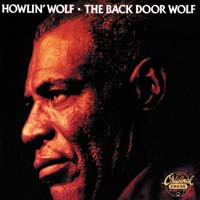 1974The Back Door Wolf
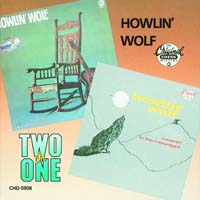 1965Moanin' in the Moonlight