ALBUM NOTESAlbum spotlight: Howlin' Wolf-The Howlin' Wolf Album – The Howlin' Wolf Album
Album overview
The Howlin' Wolf Album, released in 1969, marks a significant moment in the legacy of blues music. Recorded at the famed Chess Records studios in Chicago, this album features the iconic Howlin' Wolf (Chester Arthur Burnett), whose raw, powerful vocal style and commanding presence have left an indelible mark on the genre. Produced by the legendary Willie Dixon, the album captures the essence of electric blues, blending traditional Delta sounds with a more urban sensibility.
The album includes standout tracks such as "The Red Rooster," which showcases Wolf's unique vocal style and his ability to convey deep emotional resonance. Other notable songs include "Back Door Man" and "Sittin' on Top of the World," both of which highlight Wolf's prowess as a storyteller and musician. Collaborators on this record include the talented guitarist Hubert Sumlin, whose expressive playing complements Wolf's vocal intensity.
While "The Howlin' Wolf Album" did not achieve the commercial success of some of its contemporaries, its cultural significance cannot be overstated. It helped to bridge the gap between traditional blues and rock music, influencing countless artists and contributing to the blues revival of the late 20th century. The album stands as a testament to Howlin' Wolf’s role in shaping the sound of modern music and his ability to convey the struggles and joys of life through his art.
Review
Howlin' Wolf's self-titled album is a masterclass in the raw power of blues music. From the first track, listeners are enveloped in a sound that is both gritty and soulful. The production, while characteristic of the late '60s with its electric instrumentation, allows Wolf's voice to remain the focal point. His guttural growls and passionate delivery create an atmosphere that is both haunting and electrifying.
Lyrically, the album explores themes of love, loss, and resilience, often with a storytelling approach that feels personal and relatable. Wolf's ability to convey complex emotions through simple, yet evocative language is a testament to his skill as a songwriter. The interplay between his voice and the instrumentals creates a dynamic listening experience that keeps the audience engaged throughout.
Artistically, Howlin' Wolf's vision comes to life in this album, blending influences from Delta blues and Chicago's electric sound. The collaboration with Willie Dixon further elevates the album, as Dixon's songwriting complements Wolf's distinctive style. This work not only solidifies Howlin' Wolf's place in music history but also exemplifies the transformative power of blues music in American culture.
Highlights
- Raw and powerful vocal delivery by Howlin' Wolf.
- Strong songwriting and storytelling throughout the album.
- Influential production that helped shape the sound of electric blues.
Weak points
- Some songs may feel less polished compared to contemporary rock productions.
- Lack of commercial hits may limit mainstream recognition.
- Musical style may not appeal to all listeners due to its rawness.
Overall evaluation
The Howlin' Wolf Album is an essential listen for any blues enthusiast or music historian. It embodies the spirit of its creator and serves as a bridge between traditional and modern blues. Howlin' Wolf's influence on subsequent generations of musicians underscores the album's significance in the musical landscape.
Personal rating: 8/10
```


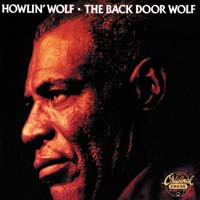 1974The Back Door Wolf
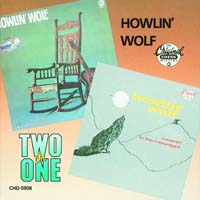 1965Moanin' in the Moonlight