ALBUM NOTESExploring the sound of Howlin' Wolf: Little Red Rooster
Little Red Rooster- Album Overview
Howlin' Wolf's "Little Red Rooster" is a seminal blues record released in 1961 under the Chess Records label. The album features the iconic single "Little Red Rooster," which showcases Wolf's deep, gravelly voice and harmonica playing, alongside the masterful guitar work of Hubert Sumlin. This track became a defining moment in blues history and was notably covered by The Rolling Stones, further cementing its cultural significance. The album was produced by the legendary Willie Dixon, a key figure in the Chicago blues scene, who wrote many of the tracks that became classics.
The recording sessions took place at the renowned Chess Studios in Chicago, a hub for blues and rock music that fostered numerous legendary artists. In addition to "Little Red Rooster," the album includes tracks like "Spoonful" and "Back Door Man," each illustrating Wolf's ability to convey raw emotion through his music. The album is characterized by a distinctive blend of Delta blues and urban Chicago styles, showcasing Wolf's powerful vocal delivery and his unique approach to storytelling through music. "Little Red Rooster" not only highlights the rich musical tapestry of its time but also stands as a testament to the enduring legacy of Howlin' Wolf and the blues genre as a whole, influencing countless musicians across generations.
Review
"Little Red Rooster" serves as an exemplary showcase of Howlin' Wolf's artistry, with its haunting melodies and deeply resonant lyrics that explore themes of love, desire, and heartbreak. The album's sound is raw and unfiltered, capturing the essence of the blues in a way that feels both timeless and immediate. Wolf's vocal performance is nothing short of captivating; his raspy, commanding voice draws the listener into a world of emotional depth. The instrumentation, led by the expressive guitar work of Hubert Sumlin, complements Wolf's vocals perfectly, creating a dynamic interplay that enhances the storytelling aspect of the songs.
The lyrical content is rich with symbolism and emotion, providing a glimpse into the struggles and triumphs of the human experience. Tracks like "Spoonful" and "Back Door Man" are not just songs; they are narratives that resonate with the listener on a personal level. The production, helmed by Willie Dixon, captures the live energy of Wolf's performances, making the listener feel as if they are part of the audience. Overall, "Little Red Rooster" is a masterclass in blues music, showcasing Howlin' Wolf's unique voice and vision while also highlighting the collaborative spirit of the Chicago blues scene.
Highlights
- Wolf's powerful and emotive vocal delivery.
- Exceptional guitar work by Hubert Sumlin.
- Culturally significant tracks that have influenced generations of musicians.
Weak points
- Some tracks may feel repetitive to modern listeners unfamiliar with blues conventions.
- The raw production style might not appeal to those accustomed to polished modern recordings.
- Limited diversity in musical styles across the album.
Overall evaluation
"Little Red Rooster" is an essential album that encapsulates the spirit of blues music through Howlin' Wolf's unique artistry. It serves as both an introduction to the genre and a deep dive into the emotional and cultural narratives that define it.
Personal rating: 9/10


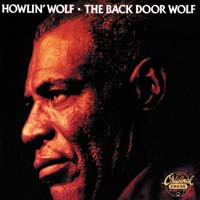 1974The Back Door Wolf
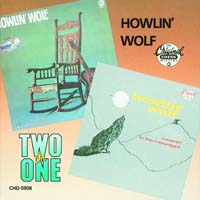 1965Moanin' in the Moonlight