
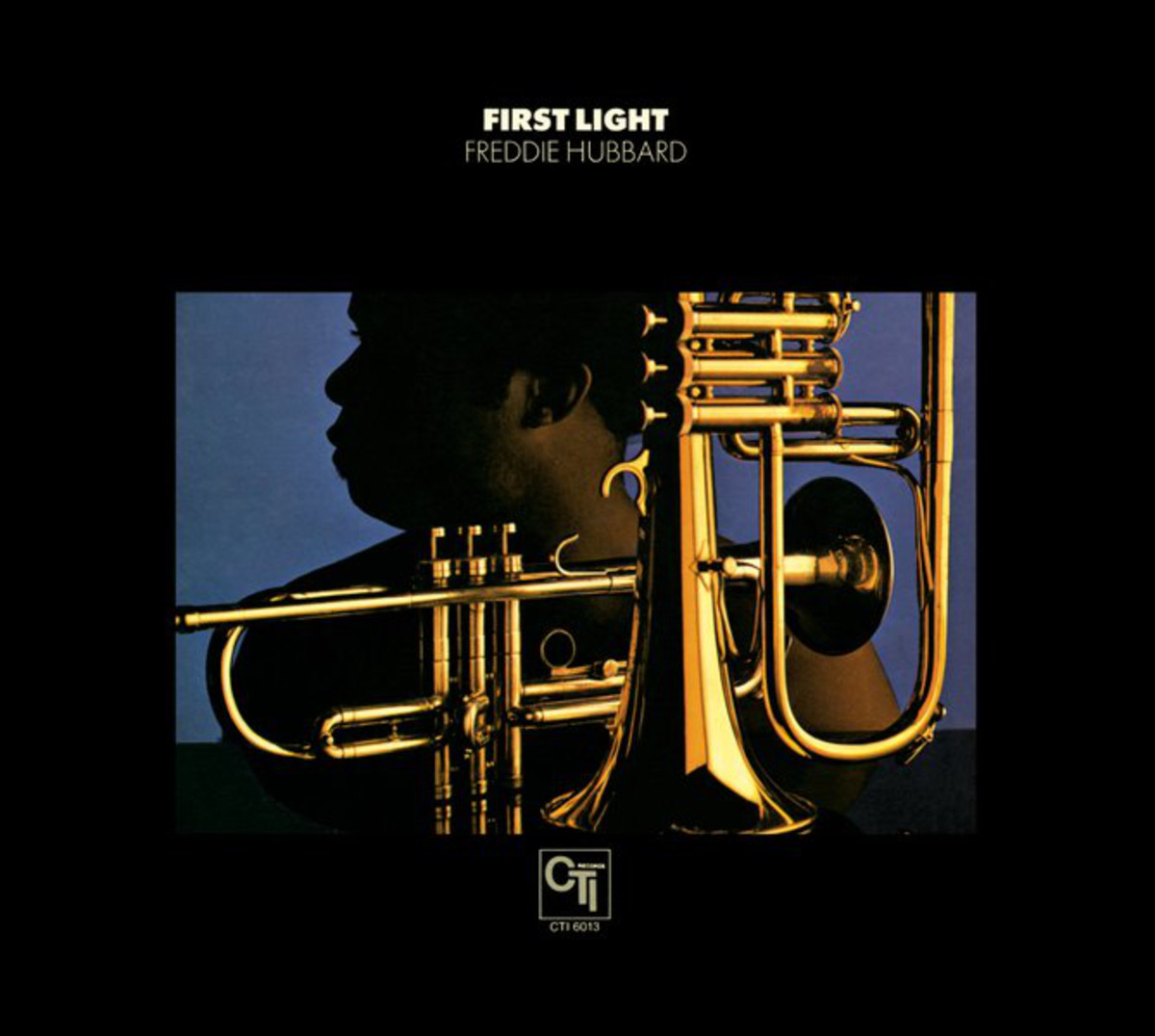
The Body & The Soul: exploring the world of Freddie Hubbard
The Body & The Soul- Album Overview
Released in 1973, "The Body & The Soul" is a pivotal album in the discography of jazz trumpeter Freddie Hubbard. This album was issued under the CTI Records label, a well-known platform for jazz in the 1970s that often featured lush orchestral arrangements. The production was helmed by the famous Creed Taylor, who was known for his distinctive blend of jazz with other genres, creating a sound that was both innovative and accessible. Hubbard's ensemble for this album includes some of the most talented musicians of the era, such as Wayne Shorter on saxophone, McCoy Tyner on piano, Bob Cranshaw on bass, and Elvin Jones on drums. The album consists of several tracks that showcase Hubbard's virtuosity and his ability to convey deep emotions through his horn. Notable tracks include "Arietis" and "Arietis," both of which exemplify his unique ability to blend technical prowess with soulful expression. The album, while not a commercial blockbuster, has found a significant place in the hearts of jazz enthusiasts and is often celebrated for its rich textures and intricate improvisations. The cultural significance of Hubbard's work during this period lies in his ability to bridge traditional jazz with more contemporary sounds, reflecting the shifting musical landscape of the 1970s.
Review
"The Body & The Soul" is a profound exploration of jazz that transcends mere technicality. One of the standout features of the album is Hubbard's distinctive tone, which blends a bright clarity with a warm, rounded sound. The arrangements are rich and full, thanks to Creed Taylor’s production, which infuses elements of funk and soul into the jazz genre, making it appealing to a broader audience. Tracks like "Arietis" and "Weaver of Dreams" offer moments of intense improvisation that highlight Hubbard's ability to weave complex melodies with ease. Lyrically, while the instrumental nature of jazz does not lend itself to traditional lyrics, the emotive quality of each track conveys a narrative that speaks to the listener's soul. The artistic vision behind "The Body & The Soul" is a testament to Hubbard's mastery of his craft, as he navigates through various moods and tempos with finesse. The album resonates with a sense of introspection, inviting listeners to delve deeply into the nuances of each performance, making it a rich listening experience.
Highlights
- Freddie Hubbard's exceptional trumpet work, showcasing both technical skill and emotional depth.
- The lush orchestral arrangements that create a unique soundscape, blending jazz with soul and funk elements.
- The collaboration with renowned musicians such as Wayne Shorter and McCoy Tyner, which elevates the overall quality of the album.
Weak points
- The album may feel overly polished for some traditional jazz purists who prefer a rawer sound.
- While it contains beautiful moments, some tracks may lack the dynamic range found in Hubbard's earlier works.
- It may not appeal to listeners who are not accustomed to the fusion of jazz with orchestral and funk elements.
Overall evaluation
"The Body & The Soul" stands as a significant work in Freddie Hubbard's career, illustrating his ability to evolve and adapt within a changing musical landscape. While it may not be his most celebrated work, it is undoubtedly a worthy exploration of jazz's potential to blend genres and express profound emotion.
Personal rating: 8/10 1971First Light
 1962Hub-Tones
 1960Open Sesame