ALBUM NOTESWhy Wayne Shorter's The All Seeing Eye matters
The All Seeing Eye- Album Overview
Wayne Shorter's "The All Seeing Eye" is a significant contribution to the jazz genre, released in 1966 under the Blue Note label. This album showcases Shorter's innovative compositional style and deep understanding of harmony, emerging during a time when jazz was evolving rapidly. Recorded in the same era as the avant-garde movement, "The All Seeing Eye" features a unique blend of hard bop and modal jazz, reflecting Shorter's artistic vision and the cultural shifts of the 1960s.
The recording features an impressive lineup of musicians, including renowned artists such as John Coltrane's former bandmate McCoy Tyner on piano, Reggie Workman on bass, and Elvin Jones on drums. The album comprises five tracks, with compositions that exhibit an intricate interplay between melody and rhythm. Notable tracks include "The All Seeing Eye" and "Dance Cadaverous," both of which highlight Shorter's ability to fuse complex structures with emotive expression.
Despite being less commercially recognized than other albums of the era, "The All Seeing Eye" has garnered critical acclaim for its adventurous spirit and conceptual depth. The album's themes often explore spirituality, existentialism, and the human experience, resonating with listeners on multiple levels. As a result, it stands as a testament to Shorter's artistic genius and his role in the evolution of modern jazz.
Review
"The All Seeing Eye" is a sonic journey that transcends conventional jazz boundaries. Shorter's compositions are intricately woven, offering a rich tapestry of sound that invites listeners to explore the depths of each track. The album's opener, "The All Seeing Eye," sets the tone with its haunting melodies and complex arrangements, showcasing Shorter's penchant for blending intricate harmonies with free improvisation.
The overall sound is marked by a sense of spiritual exploration, with a heavy reliance on modal elements that encourage the musicians to engage in profound dialogues. The interplay between Tyner's piano and Jones's drumming creates a dynamic landscape, allowing Shorter’s saxophone to soar above with emotive clarity. Each track unfolds like a narrative, revealing layers of meaning and emotion that resonate deeply.
While the album may initially seem challenging to some, its depth rewards attentive listening. Shorter's artistic vision shines brightly, as he pushes the boundaries of jazz and invites listeners to contemplate larger themes. "The All Seeing Eye" remains a profound statement in Shorter's discography and serves as a crucial reference point in the evolution of jazz music.
Highlights
- Innovative compositions that blend modal jazz and hard bop.
- Exceptional musicianship from an all-star lineup.
- Deep thematic exploration of spirituality and existence.
Weak points
- The complex arrangements may be challenging for casual listeners.
- Less commercial appeal compared to more mainstream jazz albums.
- Some tracks may feel overly abstract for traditional jazz fans.
Overall evaluation
Wayne Shorter’s "The All Seeing Eye" is a masterful exploration of sound and theme, solidifying its place in jazz history. It challenges listeners while offering profound rewards for those willing to engage deeply with its complexities.
Personal rating: 9/10

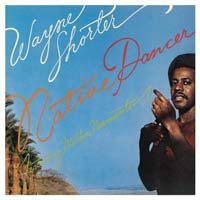 1990Native Dancer
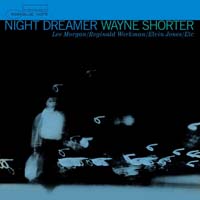 1987Night Dreamer
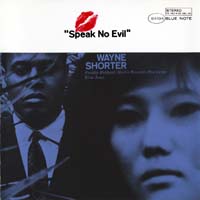 1965Speak No Evil