
Unpacking Wayne Shorter's Etcetera
Etcetera- Album Overview
Wayne Shorter's album "Etcetera," released in 1966 under the Blue Note label, stands as a significant work in the realm of jazz, showcasing Shorter's innovative approach to composition and improvisation. Recorded in a period marked by profound experimentation in jazz, "Etcetera" features Shorter on tenor saxophone, supported by an exceptional lineup of musicians, including Herbie Hancock on piano, Ron Carter on bass, and Tony Williams on drums. The album's sessions were produced by the iconic Alfred Lion, whose vision for jazz was instrumental in shaping the sound of Blue Note during the 1960s.
Comprising five tracks, "Etcetera" is noted for its distinct blend of post-bop and avant-garde influences, with pieces like "Water Babies" and the title track "Etcetera" illuminating Shorter's ability to fuse complex harmonic structures with lyrical improvisation. The album was recorded in a single session, which adds to its raw, live feel, capturing the musicians’ chemistry and spontaneity. Although not released as a single, the compositions resonate with a sense of freedom and exploration, reflecting the cultural milieu of the 1960s, where artists were pushing boundaries and redefining jazz. The album has since been recognized as a pivotal work, influencing generations of musicians and solidifying Shorter's legacy as one of the most innovative saxophonists in jazz history.
Review
"Etcetera" showcases Wayne Shorter's masterful command of the saxophone, coupled with his distinctive compositional style that challenges conventional forms. The album opens with the dynamic "Water Babies," which sets the tone with its intricate melodies and complex rhythms, showcasing Shorter’s knack for weaving together disparate musical ideas into a cohesive narrative. Each track unfolds like a conversation among the musicians, with Hancock's piano providing a lush harmonic backdrop, while Carter and Williams lay down a fluid yet robust rhythm section. The interplay between the musicians is particularly captivating, with spontaneous moments of improvisation that highlight their virtuosity and deep understanding of jazz language.
The album’s title track, "Etcetera," exemplifies Shorter's penchant for abstract, yet emotive melodies, creating an ethereal soundscape that lingers long after the music has stopped. While the album may not have garnered the immediate commercial success of some of Shorter's later works, it stands as a testament to his artistic vision and willingness to explore uncharted territories in music. The sonic richness and textural depth of "Etcetera" make it a quintessential listening experience for jazz enthusiasts and a vital piece of Shorter's discography.
Highlights
- Exceptional interplay among musicians, showcasing their improvisational skills.
- Innovative compositions that push the boundaries of traditional jazz.
- Rich sonic textures that create an immersive listening experience.
Weak points
- May be challenging for casual listeners due to its avant-garde elements.
- Lacks the commercial appeal of more mainstream jazz albums.
- Some tracks may feel less structured, which could alienate traditional jazz purists.
Overall evaluation
"Etcetera" is a profound exploration of jazz that encapsulates Wayne Shorter's innovative spirit and artistic vision. It stands as a crucial entry in his catalog, reflecting a pivotal moment in jazz history. For those willing to engage with its complexities, it offers rich rewards.
Personal rating: 8/10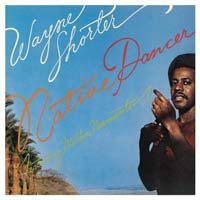 1990Native Dancer
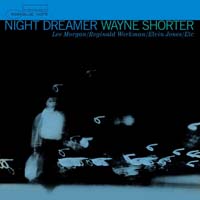 1987Night Dreamer
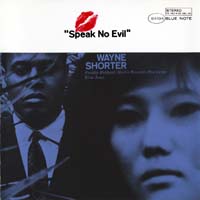 1965Speak No Evil