ALBUM NOTESListening to Adam's Apple by Wayne Shorter
Adam's Apple- Album Overview
Wayne Shorter's album "Adam's Apple," released in 1966, stands as a significant entry in the realm of jazz, showcasing the saxophonist's innovative approach to composition and improvisation. Released on Blue Note Records, this album features a collection of seven tracks, all composed by Shorter himself, highlighting his unique harmonic structures and lyrical melodies. The recording features notable collaborators such as pianist McCoy Tyner, bassist Reggie Workman, and drummer Elvin Jones, who were all integral members of the legendary John Coltrane Quartet, thus infusing the album with their profound musicality and synergy.
The sessions for "Adam's Apple" were recorded at the Van Gelder Studio, a renowned location for jazz recordings, which contributed to the album's rich and vibrant sound. The album's title track, "Adam's Apple," along with "Footprints," became notable highlights and have since been covered by numerous artists, underlining their enduring appeal.
The album's release came at a time when jazz was evolving, moving away from traditional forms into more avant-garde expressions. Shorter's work in this album reflects the cultural shifts of the 1960s, as he masterfully blends elements of modal jazz with a more exploratory approach. "Adam's Apple" not only showcases Shorter's technical prowess but also his ability to convey deep emotional narratives through music, making it a significant piece within the jazz canon.
Review
"Adam's Apple" presents a captivating sonic landscape that deeply resonates with listeners. Shorter's tenor saxophone weaves intricate lines that are both contemplative and assertive, often evoking a sense of introspection. The interplay between the musicians is remarkable; Tyner's piano work complements Shorter's melodies beautifully, while Workman and Jones lay down a rhythmic foundation that is both steady and dynamic.
The album's compositions are characterized by Shorter's distinctive use of space and silence, giving each note weight and significance. Tracks like "El Gaucho" and "Witch Hunt" showcase his ability to blend complex harmonies with accessible melodies, appealing to both jazz aficionados and newcomers alike. The aesthetic of "Adam's Apple" is introspective, yet it carries an undercurrent of adventure, reflecting Shorter's quest for new musical horizons.
The overall production quality is pristine, allowing each instrument to shine through, which is particularly evident during the improvisational segments. Shorter's artistic vision in this album encapsulates a pivotal moment in jazz history, where innovation and tradition intertwine seamlessly.
Highlights
- Innovative compositions that blend modal jazz with lyrical melodies.
- Exceptional performances by a top-tier ensemble of jazz musicians.
- A rich, immersive listening experience that showcases Shorter's unique artistic vision.
Weak points
- The experimental nature may not appeal to all jazz listeners.
- Some tracks may feel less accessible due to their complex harmonies.
- Limited commercial singles, which may affect broader recognition.
Overall evaluation
"Adam's Apple" is a remarkable testament to Wayne Shorter's genius as a composer and performer, encapsulating the spirit of jazz innovation during the 1960s. It remains a must-listen for anyone seeking to understand the evolution of the genre.
Personal rating: 9/10

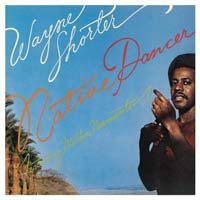 1990Native Dancer
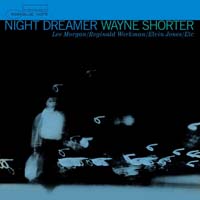 1987Night Dreamer
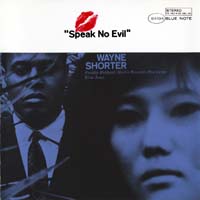 1965Speak No Evil