
One week with Juju: thoughts on Wayne Shorter
Juju- Album Overview
Released in 1966, "Juju" is a seminal jazz album by renowned saxophonist Wayne Shorter, showcasing his innovative compositional style and distinct voice within the genre. The album was released on the Blue Note label, a key player in the hard bop movement and a platform for many legendary jazz musicians. "Juju" was recorded over two sessions in 1966, featuring an impressive lineup of musicians including pianist McCoy Tyner, bassist Reggie Workman, drummer Elvin Jones, and trumpeter Freddie Hubbard. The title track, "Juju," along with other compositions on the album, reflects Shorter's deep connection to African rhythms and spiritual themes, a departure from the more conventional jazz of the time.
The album features six tracks: "Juju," "Arietis," "House of Jade," "Footprints," "Dancing in the Dark," and "Wild Flower." Each piece is a testament to Shorter's ability to merge complex, yet accessible melodies with intricate harmonies. Notably, "Footprints," which would later become one of his signature compositions, highlights his unique approach to jazz improvisation. "Juju" was not released as a single, but its critical reception and influence have solidified its status in the jazz canon. The album's sound and structure are reflective of a transformative period in jazz, where musicians were beginning to explore free jazz and modal concepts, paving the way for future generations of artists. Shorter’s work on "Juju" has been cited as influential by numerous musicians and has earned a place in the hearts of jazz aficionados.
Review
Listening to "Juju" is akin to embarking on a sonic journey through the realms of creativity and expression. Shorter's saxophone work is both lyrical and adventurous, weaving in and out of complex rhythms with an ease that belies the intricacy of the compositions. The album's tracks are meticulously crafted, blending modal jazz with traditional forms, showcasing Shorter's unique ability to balance innovation with accessibility. The interplay between the musicians is electric; each member contributes to an overarching narrative that defies conventional jazz expectations. Tyner's piano, for instance, acts as both a harmonic foundation and a source of melodic exploration, while Elvin Jones's drumming infuses the tracks with a dynamic pulse that propels the music forward.
Moreover, the emotional depth of "Juju" resonates throughout the album. Each track invites listeners to reflect, providing a space for introspection amid the complexity of the music. Shorter's compositions are abstract yet grounded, allowing for a diverse interpretation of the themes he explores, particularly in pieces like "Footprints" that invite deeper contemplation. Overall, "Juju" stands as a testament to Shorter's vision as a composer and a performer, marking a pivotal point in the evolution of jazz and affirming his place as one of the genre's most important figures.
Highlights
- Innovative compositions that blend modal jazz with African rhythms.
- Exceptional interplay between musicians, showcasing their individual talents.
- Emotional depth and complexity that invites deep listening and interpretation.
Weak points
- Some listeners may find the abstract nature of the compositions challenging.
- Tracks may feel lengthy for those accustomed to more mainstream jazz formats.
- Lack of a clear single may limit its accessibility to casual listeners.
Overall evaluation
"Juju" is a landmark album that captures Wayne Shorter's innovative spirit and artistic vision, pushing the boundaries of jazz while remaining deeply engaging. It serves as a crucial listen for anyone interested in the evolution of jazz music. The album's complexity may challenge some, but for those willing to dive in, it offers a rewarding experience that resonates long after the last note fades.
Personal rating: 9/10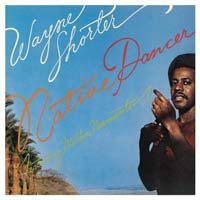 1990Native Dancer
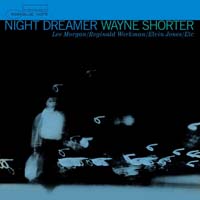 1987Night Dreamer
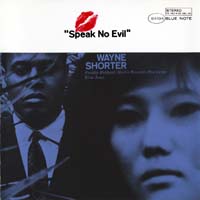 1965Speak No Evil