
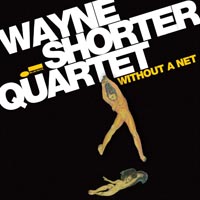
How Wayne Shorter shaped the sound of Introducing Wayne Shorter
Introducing Wayne Shorter- Album Overview
"Introducing Wayne Shorter" is the debut album by the legendary jazz saxophonist Wayne Shorter, released in 1966 under the Blue Note label. The album was recorded during a pivotal time in Shorter’s career, as he was transitioning from his role as a sideman in Art Blakey's Jazz Messengers to becoming a leading voice in the jazz world. The recording sessions took place at the Van Gelder Studio in Englewood Cliffs, New Jersey, a hub for many iconic jazz records. Shorter collaborated with an impressive lineup of musicians, including pianist McCoy Tyner, bassist Reggie Workman, and drummer Elvin Jones, who were also part of the John Coltrane Quartet, bringing a unique synergy to the sessions. The album features six tracks, showcasing Shorter's innovative compositional style. Among these are "Witch Hunt" and "Speak No Evil," both of which would go on to become standards in the jazz repertoire. The album's sound is characterized by its blend of modal jazz and hard bop, with Shorter's distinct use of melody and harmony that would influence countless musicians. The release of "Introducing Wayne Shorter" marked a significant moment in jazz history, as it introduced a fresh voice that would contribute to the genre's evolution throughout the decades. Shorter’s ability to combine complex musical ideas with emotive expression solidified his reputation as a visionary artist and paved the way for future generations of jazz musicians.
Review
The sound of "Introducing Wayne Shorter" is a testament to Shorter’s innovative approach to jazz composition and performance. From the opening track, listeners are greeted with rich harmonies and intricate melodies that reflect the artist's deep understanding of the genre. The interplay between Shorter and his bandmates is a standout feature, showcasing an organic chemistry that enhances the album's overall texture. Shorter's lyrical phrasing on the saxophone is both poetic and introspective, inviting listeners to explore the emotional landscapes he creates. The album eschews traditional song structures, favoring a more exploratory approach that encourages improvisation and spontaneity. This artistic vision sets "Introducing Wayne Shorter" apart from other contemporary jazz records, as it challenges the listener to engage with the music on a deeper level. While the album is undeniably rooted in jazz tradition, it also pushes boundaries, paving the way for the avant-garde explorations that would come later in Shorter’s career. His ability to blend complex ideas with accessible melodies makes this album a crucial piece in understanding his artistic evolution and the broader jazz landscape of the 1960s.
Highlights
- Innovative compositions that have become jazz standards.
- Exceptional synergy among band members, enhancing the musical experience.
- Wayne Shorter's emotive saxophone playing that captivates listeners.
Weak points
- Some tracks may feel dense or challenging for casual listeners.
- Lack of vocal elements may limit appeal for non-jazz fans.
- Production quality reflects the era, which may not resonate with modern audiences.
Overall evaluation
"Introducing Wayne Shorter" is a landmark debut that showcases the remarkable talent of Wayne Shorter as both a composer and performer. Its innovative sound and complex interplay among musicians make it a significant contribution to the jazz canon.
Personal rating: 9/10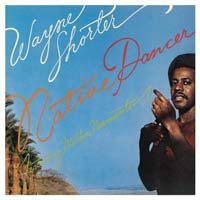 1990Native Dancer
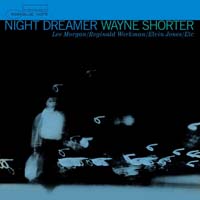 1987Night Dreamer
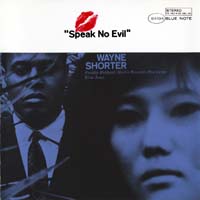 1965Speak No Evil