
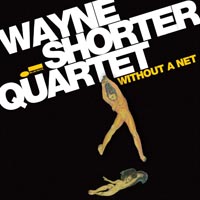
Diving deep into Second Genesis by Wayne Shorter
Second Genesis- Album Overview
Released in 1977, "Second Genesis" marks an intriguing chapter in Wayne Shorter's illustrious career as a pioneering jazz saxophonist and composer. This album, released under the Columbia Records label, showcases Shorter's innovative approach to jazz fusion during a period when the genre was rapidly evolving. The recording sessions took place at the renowned CBS Studios in New York City, with Shorter collaborating with a talented ensemble of musicians, including bassist Miroslav Vitouš, drummer Tony Williams, and pianist Adam Holzman. These collaborations add depth and vibrancy to the album's sound, blending traditional jazz elements with progressive rock influences. Notably, "Second Genesis" features tracks such as "The Icarus Suite," which exemplifies Shorter's ability to craft intricate melodies and harmonies. The album did not produce any significant chart-topping singles, but its artistic and cultural significance lies in its experimental nature, pushing the boundaries of jazz and influencing a generation of musicians. The album reflects Shorter's ongoing quest for musical exploration, as he delves into themes of transformation and rebirth, which resonate through the title itself.
Review
In "Second Genesis," Wayne Shorter presents a soundscape that is both intricate and expansive. The album strikes a delicate balance between structured compositions and the freedom of improvisation, a hallmark of Shorter's artistic vision. The opening track, "The Icarus Suite," sets the tone with its ethereal melodies and complex rhythms, inviting listeners into a world of sonic exploration. Shorter's signature saxophone style—characterized by its fluidity and expressive depth—shines throughout the album, particularly in tracks like "The Last Judgement." The interplay among the musicians showcases a remarkable synergy, where each artist contributes to the overarching narrative of the music. However, some listeners may find the album's experimental nature challenging, as it occasionally veers into abstract territory. Yet, it is this very willingness to push boundaries that makes "Second Genesis" a compelling listen, illustrating Shorter's relentless pursuit of new musical horizons.
Highlights
- Intricate compositions that blend jazz with progressive rock influences.
- Exceptional interplay among a talented group of musicians.
- Wayne Shorter's expressive saxophone performances that captivate the listener.
Weak points
- Some tracks may feel overly experimental for traditional jazz enthusiasts.
- Limited commercial appeal, lacking standout singles.
- The abstract nature of certain compositions may alienate casual listeners.
Overall evaluation
"Second Genesis" is a testament to Wayne Shorter's innovative spirit and willingness to experiment within the jazz genre. While it may not cater to all tastes, it undoubtedly showcases his artistic evolution and the collaborative energy of his ensemble. This album is an essential listen for those who appreciate the rich tapestry of jazz history.
Personal rating: 8/10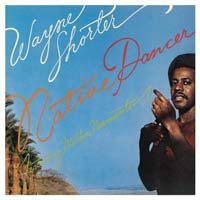 1990Native Dancer
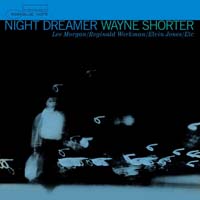 1987Night Dreamer
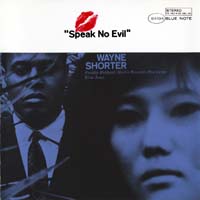 1965Speak No Evil