
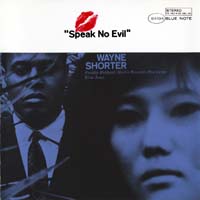
Speak No Evil: what Wayne Shorter wants you to feel
Speak No Evil- Album Overview
"Speak No Evil," released in 1966, is one of the seminal works of saxophonist Wayne Shorter, marking a significant moment in the jazz genre. The album was produced under the Blue Note label, a powerhouse in jazz music, and features a blend of hard bop and modal jazz that showcases Shorter's innovative compositional style. Recorded in the context of the 1960s jazz revolution, it features a stellar lineup of musicians, including pianist McCoy Tyner, bassist Reggie Workman, drummer Elvin Jones, and trumpeter Freddie Hubbard, each bringing their unique voice to the project.
The album comprises six tracks, all composed by Shorter, with standout pieces like "Witch Hunt" and "Fee-Fi-Fo-Fum." "Speak No Evil" was not just an album; it was an artistic statement that challenged conventional jazz structures, inviting listeners to explore deeper emotional landscapes. The production was meticulously crafted, with each track flowing seamlessly into the next, creating a cohesive experience. The artistic vision behind the album reflects Shorter's desire to communicate complex feelings and narratives through instrumental music, a theme that resonates throughout the entire piece.
Musically, "Speak No Evil" is notable for its rich harmonic structures and intricate melodies, which have influenced countless jazz musicians and composers. The cultural significance of the album is underscored by its status as a classic, representing a pivotal moment in jazz history where improvisation and composition began to merge more intricately. The album's exploration of themes such as existentialism and the human experience is a hallmark of Shorter's work and has continued to inspire generations of musicians.
Review
Wayne Shorter's "Speak No Evil" is a masterclass in the art of jazz composition and improvisation. The album resonates with a haunting beauty, blending intricate melodies with rich harmonies that evoke a spectrum of emotions. Shorter’s saxophone playing is both lyrical and powerful, often shifting from soft, introspective passages to bold, assertive statements that challenge the listener to engage with the music on a deeper level. The interplay between the musicians is particularly noteworthy; Tyner's piano work complements Shorter's saxophone perfectly, creating a dialogue that is both conversational and dynamic.
The album's tracks unfold like a series of vignettes, each telling its own story while contributing to a larger narrative about the human experience. The use of modal jazz gives the music a fluid quality, allowing for spontaneous exploration and creativity. The artistic vision behind "Speak No Evil" is not merely about showcasing technical prowess; it invites listeners to feel, reflect, and connect with the music in a profound way. This ability to evoke emotion is what makes the album a timeless piece of art, resonating with both jazz aficionados and casual listeners alike.
Highlights
- Incredible interplay between musicians, showcasing their individual talents.
- Innovative compositions that challenge traditional jazz forms.
- A timeless emotional depth that resonates with listeners across generations.
Weak points
- Some listeners may find the complexity of the music challenging to digest.
- The album's experimental nature may not appeal to traditional jazz purists.
- Limited commercial singles may restrict wider recognition outside jazz circles.
Overall evaluation
"Speak No Evil" is a landmark achievement in jazz, showcasing Wayne Shorter's extraordinary talent as a composer and performer. It remains a must-listen for anyone interested in the evolution of the genre and the emotional power of music.
Personal rating: 9/10 2022Live At The Detroit Jazz Festival
 1990Native Dancer
 1987Night Dreamer