
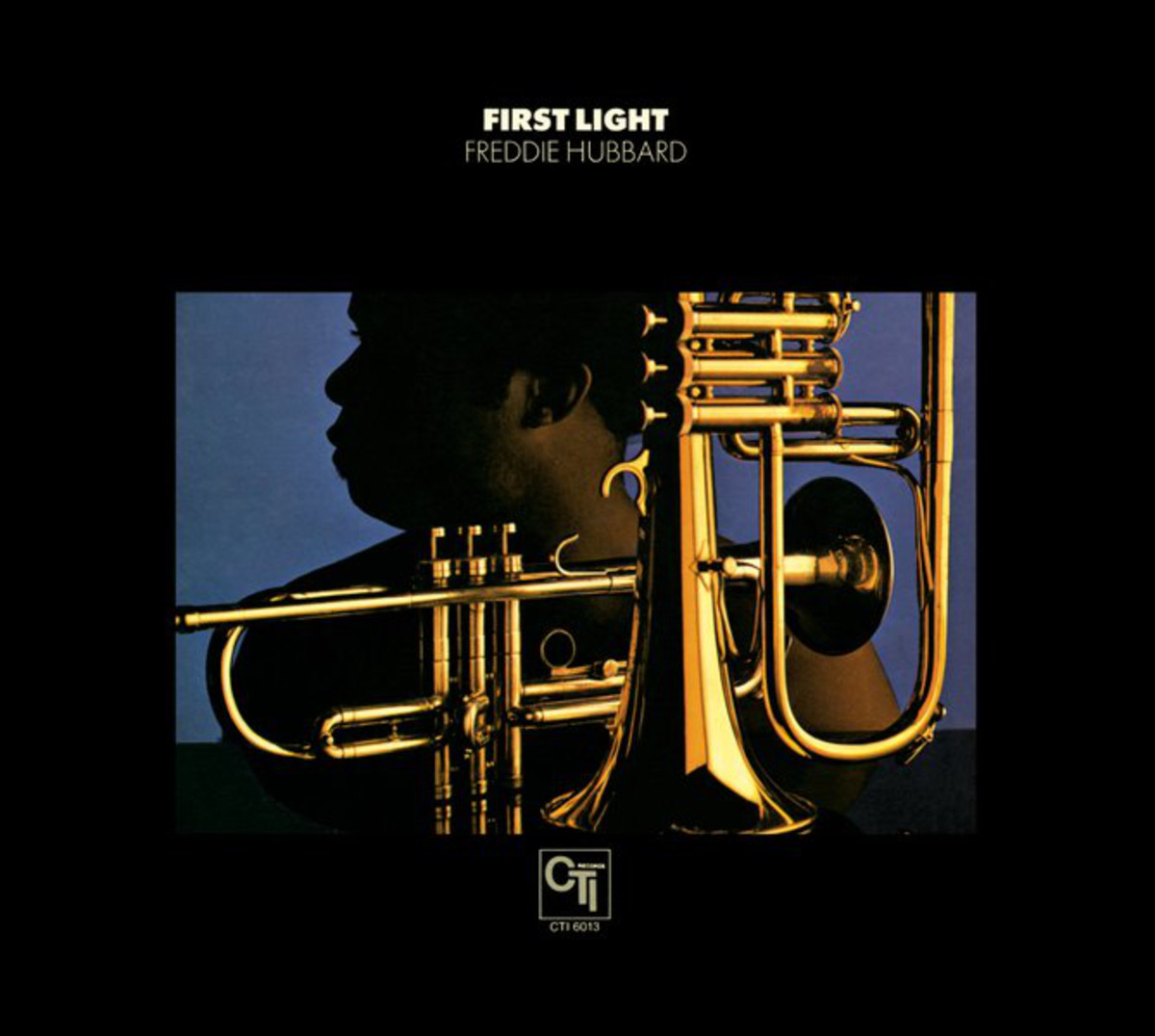
How Freddie Hubbard shaped the sound of Rollin'
Rollin'- Album Overview
"Rollin'" is a compelling album by the legendary jazz trumpeter Freddie Hubbard, released in 1972 under the CTI Records label. This album showcases Hubbard's exceptional talent and innovative approach to jazz, blending elements of hard bop, post-bop, and fusion. The recording sessions took place in New York City, featuring a stellar lineup of musicians who contributed to the rich sonic tapestry of the album. Among them were notable artists such as Bernard Purdie on drums, Ron Carter on bass, and Wayne Shorter on tenor saxophone, each bringing their unique style and expertise to the project.
The album consists of five tracks, including the standout titles "Arietis" and "Weaver of Dreams," which highlight Hubbard's lyrical trumpet playing and his ability to convey deep emotion through music. "Rollin'" stands out not only for its artistic merit but also for its cultural significance, as it reflects the evolution of jazz during the early 1970s when artists were increasingly blending genres and pushing the boundaries of traditional jazz. The production, led by the accomplished Creed Taylor, is polished yet retains an organic feel, allowing the improvisational essence of the performances to shine through.
"Rollin'" has been praised for its forward-thinking approach and its influence on subsequent generations of jazz musicians. The album encapsulates a period when jazz was beginning to incorporate elements of funk and rock, paving the way for future explorations in the genre. The lush arrangements and rhythmic complexity make it a timeless piece that continues to resonate with jazz aficionados and new listeners alike. Freddie Hubbard's artistry and vision are on full display, making "Rollin'" an essential addition to any jazz collection.
Review
The sound of "Rollin'" is characterized by its vibrant energy and intricate musical interplay. Freddie Hubbard's trumpet work is nothing short of masterful, showcasing his ability to navigate complex melodic lines with both power and grace. The album's production features lush orchestral arrangements that complement Hubbard's improvisational flair, creating a rich auditory experience. Each track invites listeners into a world where technical skill meets emotive storytelling, underlining Hubbard's role as both a performer and a composer. While the album largely eschews traditional jazz formulas, it remains accessible, drawing in listeners who may be new to the genre.
The artistic vision behind "Rollin'" is evident in its varied textures and dynamic contrasts. Each piece flows seamlessly into the next, inviting listeners to embark on a sonic journey rather than simply presenting a collection of songs. The collaboration with renowned musicians adds a layer of depth, with each player contributing to the collective sound. However, some may find the polished production occasionally overshadows the raw spontaneity typical of live jazz performances.
Highlights
- Exceptional trumpet playing by Freddie Hubbard, showcasing technical mastery and emotional depth.
- Strong collaborative chemistry among a talented lineup of musicians, enhancing the album's overall sound.
- Innovative production that blends traditional jazz with contemporary influences, appealing to a wide audience.
Weak points
- Some tracks may feel overly polished, potentially detracting from the spontaneity of live jazz.
- A few compositions might not resonate as strongly with listeners unfamiliar with jazz conventions.
- The album's length could leave some wanting more, as the engaging sound invites repeat listens.
Overall evaluation
"Rollin'" is a significant work in Freddie Hubbard's discography, representing a pivotal moment in jazz history. Its blend of intricate arrangements and vibrant performances showcases Hubbard's genius and the collaborative spirit of the era. While it may have minor shortcomings, its overall impact and artistic merit are undeniable.
Personal rating: 8.5/10 1971First Light
 1962Hub-Tones
 1960Open Sesame