
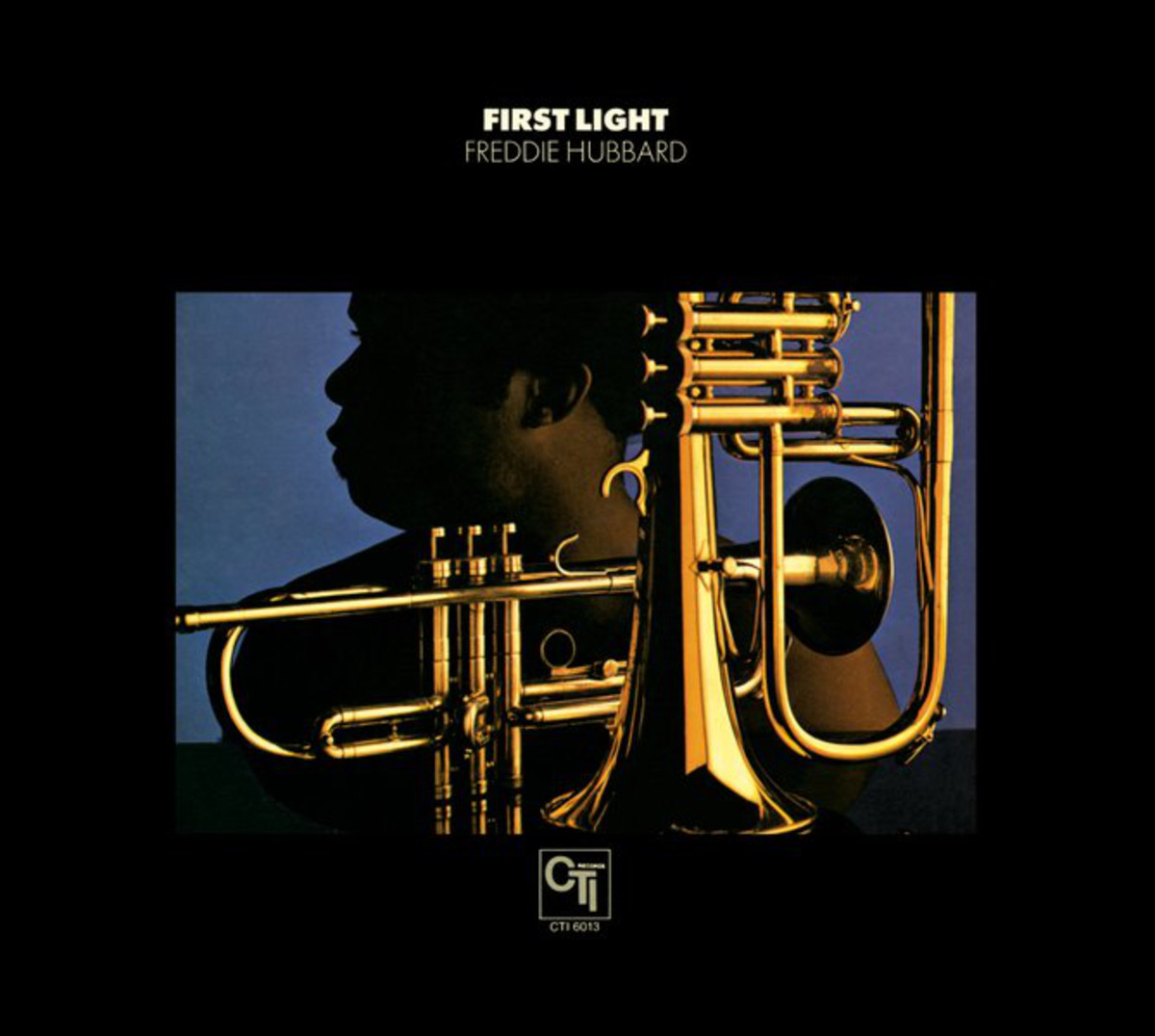
Check the vibes: Freddie Hubbard – "face To Face"
"face To Face"- Album Overview
Released in 1976 on the CTI label, Freddie Hubbard's album "face To Face" showcases the trumpeter's exceptional prowess in the jazz genre, particularly blending elements of jazz-fusion. This album was produced during a vibrant period for Hubbard, who was known for his innovative contributions to hard bop and post-bop. The recording features an impressive lineup of musicians, including the renowned saxophonist Wayne Shorter, pianist McCoy Tyner, bassist Ron Carter, and drummer Elvin Jones, making it a star-studded affair that reflects the era's rich musical tapestry.
Recorded at Van Gelder Studio, the album captures the essence of 1970s jazz while incorporating contemporary influences. The album consists of six tracks, with standout compositions like "Arietis" and "The Return of the Prodigal Son", which highlight the intricate interplay between the musicians. The single "Arietis" received notable airplay, further solidifying Hubbard's reputation in jazz circles.
Culturally, "face To Face" is significant as it represents a transitional moment in jazz, where traditional forms began to merge with funk and rock elements. Hubbard's ability to navigate and blend these styles showcases his versatility and vision as an artist, making the album a pivotal point in his discography, as well as a reflection of the broader changes occurring in music during that time.
Review
Freddie Hubbard's "face To Face" is a masterclass in jazz-fusion, where the trumpeter's signature style is on full display. The album opens with "Arietis," a track that immediately captivates with its vibrant energy and intricate arrangements. Hubbard's trumpet work is both powerful and lyrical, showcasing his technical skill while also conveying deep emotion. The collaborative chemistry among the musicians is palpable, particularly in the improvisational sections where each player shines. The interplay between Shorter and Tyner is particularly noteworthy, as both contribute to the album's lush soundscape.
Throughout the album, Hubbard's artistic vision is evident; he seamlessly blends complex harmonies and rhythms with accessible melodies. The production is polished yet retains an organic feel, a hallmark of the CTI sound that balances virtuosity with groove. However, while the album is largely a triumph, some tracks may feel a bit overproduced for purists who prefer a rawer jazz sound. Overall, "face To Face" is a profound testament to Hubbard's legacy and his ability to adapt and innovate within the jazz genre.
Highlights
- Exceptional collaboration with top-tier musicians like Wayne Shorter and McCoy Tyner.
- Intricate arrangements that showcase Hubbard's virtuosity and emotional depth.
- Strong production quality that enhances the overall listening experience.
Weak points
- Some tracks may feel overly polished, potentially alienating traditional jazz purists.
- A few compositions might lack the cohesive narrative found in Hubbard's earlier works.
- Occasional reliance on familiar jazz tropes may detract from the album's originality.
Overall evaluation
Freddie Hubbard's "face To Face" is a compelling exploration of jazz-fusion that highlights the trumpeter's remarkable skill and vision. While it may not fully satisfy purists, its artistry and production make it a significant entry in Hubbard's discography and a noteworthy contribution to jazz music of the 1970s.
Personal rating: 8/10 1971First Light
 1962Hub-Tones
 1960Open Sesame