ALBUM NOTESThe evolution of Henry Mancini-Mr Lucky Goes Latin in Mr Lucky Goes Latin
Album overview
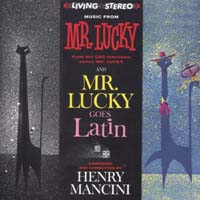
Henry Mancini's album "Mr. Lucky Goes Latin" was released in 1965, under the RCA Victor label. This collection showcases Mancini's ability to blend traditional Latin rhythms and melodies with his unique orchestral style, a hallmark of his career. Recorded during a time when Latin music was gaining popularity in the United States, Mancini's work reflects the cultural exchange occurring in music circles, merging genres seamlessly. The album features notable tracks such as "Sway," "La Bamba," and "Bésame Mucho," which highlight Mancini's skill in arranging and orchestrating music that resonates with both jazz and pop sensibilities. Collaborating with a variety of musicians, Mancini was able to create a vibrant sound that appealed to a wide audience. The album's production is characterized by lush string arrangements and rhythmic percussion, showcasing Mancini's trademark style while embracing the infectious energy of Latin music. The cultural significance of "Mr. Lucky Goes Latin" lies in its role in popularizing Latin-inspired music in mainstream America, serving as a bridge between genres and audiences.
Review
"Mr. Lucky Goes Latin" is a delightful exploration of Latin sounds filtered through Mancini's sophisticated lens. The album opens with a vibrant arrangement that captures the essence of the Latin craze of the 1960s while infusing it with Mancini's signature elegance. His orchestration is both intricate and accessible, creating a danceable yet refined listening experience. Tracks like "Sway" and "Bésame Mucho" are reimagined with a lush, cinematic quality that elevates these classic standards. Mancini's artistic vision is evident as he intertwines traditional Latin elements with jazz influences, resulting in a sound that is both celebratory and introspective. The album is not just a collection of songs, it is a well-crafted journey through the rhythms and melodies that defined an era, showcasing Mancini's versatility and mastery as a composer and conductor.
Highlights
- Rich orchestral arrangements that blend Latin and jazz influences seamlessly.
- Strong performances of classic Latin standards that highlight Mancini's creative interpretation.
- A vibrant production that captures the essence of the 1960s Latin music scene.
Weak points
- Some tracks may feel dated to contemporary listeners unfamiliar with the genre.
- The album lacks original compositions, relying heavily on well-known standards.
- Occasional overproduction can overshadow the organic feel of the music.
Overall evaluation
"Mr. Lucky Goes Latin" is a testament to Henry Mancini's ability to innovate within the popular music landscape of his time. While it may not resonate with all modern audiences, its historical significance and artistic merit make it a noteworthy entry in Mancini's discography.
Personal rating: 8/10
```

 2010Uniquely Manicini