ALBUM NOTESReview of Henry Mancini-Cinema Italiano: Music of Ennio Morricone – Cinema Italiano: Music of Ennio Morricone
Album overview
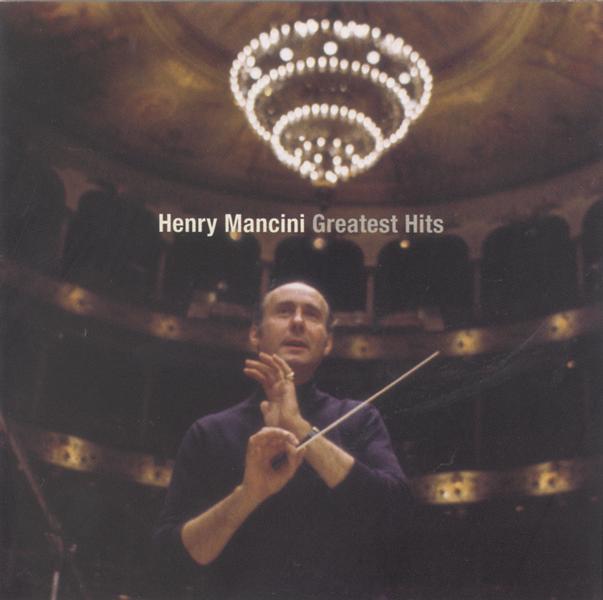
Henry Mancini's "Cinema Italiano: Music of Ennio Morricone" is a tribute album that showcases the iconic compositions of the legendary Italian film composer Ennio Morricone. Released in 1980 under the RCA Records label, this album features Mancini's distinctive orchestral arrangements, which breathe new life into Morricone's celebrated scores. The album consists of 10 tracks, each carefully selected to highlight Morricone's masterful ability to evoke emotion through music. Notable tracks include "The Good, the Bad and the Ugly," which is reimagined with Mancini's unique flair, as well as "A Fistful of Dollars" and "Once Upon a Time in the West," both of which exemplify Morricone's signature blend of melancholy and grandeur.
Mancini, known for his work on films like "Breakfast at Tiffany's" and "The Pink Panther," brings his own artistic vision to the project, collaborating with a talented orchestra and musicians to create lush arrangements that honor Morricone's legacy. The recording sessions were meticulously crafted, ensuring that each piece retained the emotive power that is synonymous with Morricone's work. This album serves not only as a celebration of Morricone's contributions to cinema but also as an important cultural artifact that highlights the intersection of Italian film music and American orchestral traditions.
Review
Mancini's interpretation of Morricone's work is both reverent and innovative, allowing each track to stand on its own while still paying homage to the original compositions. The orchestration is rich and full, characteristic of Mancini's style, and it effectively captures the dramatic essence of Morricone's scores. The arrangements are lush without becoming overwhelming, allowing the listener to appreciate the intricate melodies that have made Morricone a household name in film music. While some may argue that Mancini's take on these beloved pieces lacks the raw, emotional intensity of Morricone's originals, there is a certain charm to Mancini’s polished approach that makes this album enjoyable in its own right.
Though the album primarily serves as an instrumental tribute, the absence of vocals in tracks that could have benefited from lyrical depth may leave some listeners wanting more. However, Mancini's ability to convey emotion through instrumentation effectively compensates for this shortcoming. Overall, "Cinema Italiano" stands as a significant work that not only introduces Morricone's music to a wider audience but also showcases Mancini's skill as a conductor and arranger.
Highlights
- Rich orchestral arrangements that breathe new life into Morricone's compositions
- A fitting tribute that honors the emotional depth of the original scores
- Mancini's signature style shines through, making the album accessible to a broader audience
Weak points
- Lack of vocal tracks may limit emotional engagement for some listeners
- Some arrangements may feel overly polished compared to the rawness of Morricone's originals
- A few selections may not resonate as strongly for fans of Morricone’s less mainstream works
Overall evaluation
"Cinema Italiano: Music of Ennio Morricone" is a commendable effort by Henry Mancini that successfully pays tribute to one of cinema's greatest composers. While it may not capture the full essence of Morricone's artistry, it offers a beautiful orchestral experience that is both nostalgic and fresh.
Personal rating: 8/10
```

 1961Mr Lucky Goes Latin