
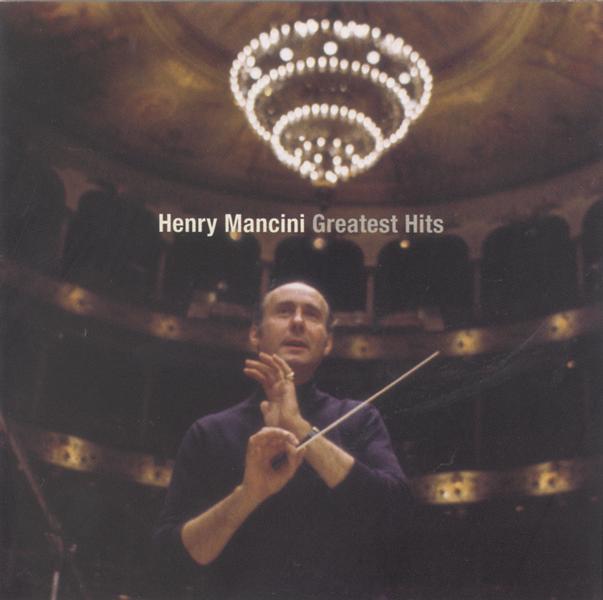
Exploring the sound of Henry Mancini: Mancini Goes To The Movies
Mancini Goes To The Movies- Album Overview
"Mancini Goes To The Movies," released in 1989, is a notable album by the legendary composer and arranger Henry Mancini. Known for his ability to blend classical music with popular styles, Mancini's work has significantly influenced the soundtracks of numerous films. This album is a compilation that features some of his most iconic compositions from various movies, showcasing his versatility and creativity. Released under the RCA label, the album includes arrangements of tracks from films like "Breakfast at Tiffany's," "The Pink Panther," and "Moon River."
The recording process involved a stellar group of musicians who adeptly brought Mancini's sophisticated arrangements to life. Mancini's knack for melody and orchestration is evident throughout the album, as he seamlessly integrates lush strings, jazzy brass, and rhythmic percussion. The album serves as a testament to Mancini's ability to evoke emotion and imagery through music, making it a significant addition to the cinematic music genre. Not only does the album feature well-known hits, but it also highlights lesser-known gems that deserve recognition. The cultural impact of Mancini's work is profound, having shaped the sound of film music in the 20th century and influencing countless composers who followed in his footsteps.
Review
The sound of "Mancini Goes To The Movies" is both nostalgic and evocative, transporting listeners to the scenes of classic films with each track. Mancini's signature style is characterized by lush orchestration and memorable melodies, often accompanied by a playful yet sophisticated rhythmic foundation. The album's arrangement allows each piece to flow seamlessly into the next, creating an immersive listening experience. While the album does not contain lyrics, the music speaks volumes, illustrating the storytelling aspect of his compositions. Mancini's artistic vision shines through, showcasing his ability to blend various genres, including jazz, classical, and pop, into a cohesive and captivating collection. This album not only exemplifies his musical genius but also serves as a reminder of the timelessness of his work.
Highlights
- Rich orchestration that highlights Mancini's compositional prowess.
- A nostalgic journey through some of the most memorable film scores of the 20th century.
- Seamless transitions between tracks that create an engaging listening experience.
Weak points
- Some tracks may feel dated to modern listeners unfamiliar with classic film music.
- Lack of original compositions; the album primarily focuses on previously recorded works.
- Limited appeal for those who prefer contemporary genres over orchestral arrangements.
Overall evaluation
"Mancini Goes To The Movies" is a remarkable showcase of Henry Mancini's talent and legacy in film music. While it may not resonate with every listener, its rich soundscapes and emotional depth make it a worthwhile experience for those interested in the history of cinematic music.
Personal rating: 8/10 1961Mr Lucky Goes Latin