
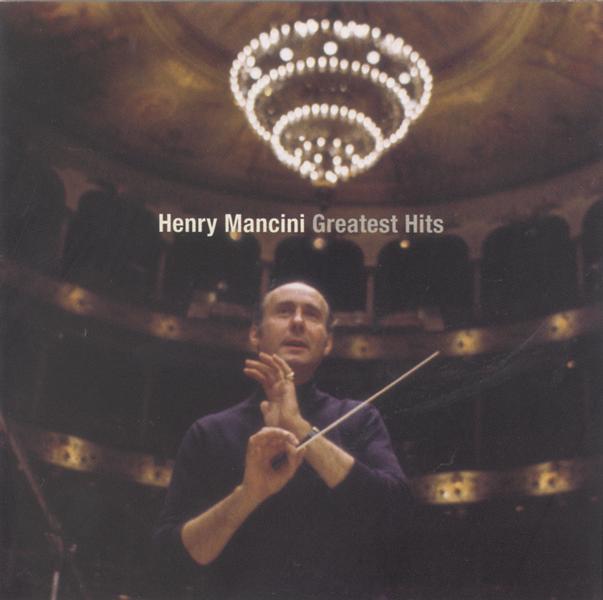
Listening to Me, Natalie by Henry Mancini
Me, Natalie- Album Overview
"Me, Natalie" is the captivating soundtrack album by renowned composer Henry Mancini, released in 1969. The album accompanies the film of the same name, which stars the charming actress, and it was produced by the prestigious RCA Victor label. Mancini, who is celebrated for his work in film music, crafted a score that blends orchestral arrangements with jazz influences, showcasing his signature style and versatility.
The score features a total of 11 tracks, with a running time of approximately 31 minutes. Notably, the album includes the evocative piece "The Days of Wine and Roses," which has been a staple in Mancini's repertoire. Collaborators on this project include prominent musicians who contributed to the lush arrangements, enhancing the cinematic quality of the music. Mancini's work on "Me, Natalie" reflects his deep understanding of character and emotion, as he effectively captures the film's themes of youth, love, and self-discovery.
The cultural significance of "Me, Natalie" lies in its representation of the late 1960s, a period marked by shifts in societal norms and values. Mancini's ability to blend traditional orchestration with contemporary sounds of the time resonates throughout the album. While it may not be as universally recognized as some of his other works, it offers a poignant glimpse into his evolution as a composer. The album did not produce any major singles, but it remains a cherished piece among Mancini's discography, illustrating his talent for creating emotionally rich soundscapes.
Review
The sound of "Me, Natalie" is a delightful mix of lush orchestral arrangements and subtle jazz influences, a hallmark of Mancini's style. The album flows seamlessly, with each track contributing to a cohesive narrative that mirrors the film's storyline. Mancini's expertise in crafting melodies that evoke deep emotions is on full display, with pieces that range from tender and reflective to more upbeat and whimsical.
Lyrically, the album is instrumental, relying on the strength of its orchestration to convey the film's themes without the need for words. Mancini's artistic vision shines through in the way he uses instrumentation to represent the protagonist's journey—his clever use of woodwinds and strings adds layers of complexity to the listening experience. While some tracks may feel dated to contemporary ears, they still retain a charm that speaks to Mancini's timelessness as a composer.
Highlights
- Beautiful orchestration that enhances the film's emotional depth.
- Memorable melodies that showcase Mancini's compositional prowess.
- Strong sense of cohesion throughout the album, making it a pleasant listen from start to finish.
Weak points
- Some tracks may feel less impactful compared to Mancini's more famous works.
- The album's instrumental nature may not appeal to listeners seeking lyrical content.
- Limited public recognition compared to other Mancini soundtracks may hinder its appreciation.
Overall evaluation
"Me, Natalie" is a testament to Henry Mancini's skill as a composer and his ability to evoke emotion through music. While it may not stand as his most iconic work, it offers a rich listening experience that reflects the cultural zeitgeist of its era. For fans of film scores and jazz-infused orchestral music, this album is a hidden gem worth exploring.
Personal rating: 7/10 1961Mr Lucky Goes Latin