
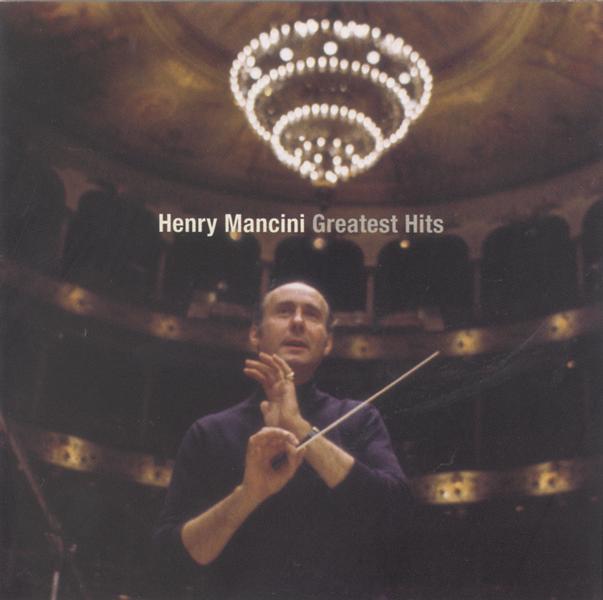
Breaking down the themes in Mancini In Hollywood by Henry Mancini
Mancini In Hollywood- Album Overview
"Mancini In Hollywood," released in 1968, stands as a testament to the remarkable versatility of composer Henry Mancini, known for his contributions to film and television music. Released under the RCA Victor label, this album features a collection of Mancini's iconic scores for various Hollywood films, showcasing his innovative orchestration and ability to blend jazz, classical, and pop elements. The album was recorded in the backdrop of the 1960s, a period marked by significant cultural shifts and the rise of film as a dominant medium for storytelling.
The album includes classic tracks such as "The Pink Panther Theme," "Moon River," and "Baby Elephant Walk," which not only highlight Mancini's knack for melody but also his skill in creating moods that resonate with the audience. Collaborating with a talented ensemble of musicians, Mancini's arrangements often feature lush strings, catchy brass, and rhythmic percussion that bring these themes to life. The lush production and intricate arrangements reflect the cinematic quality of Mancini’s work, making it a vital part of the film score genre.
Critically, "Mancini In Hollywood" serves as a cultural artifact, encapsulating the essence of its time while also influencing future generations of composers. It showcases Mancini’s seamless ability to marry catchy tunes with sophisticated arrangements, making his music approachable yet sophisticated. Singles from this album not only topped charts but also solidified Mancini's place as a household name in the realm of film scores. As a result, this album is not just a collection of tracks; it is a sonic journey through the cinematic landscapes of Hollywood in the late 20th century.
Review
The sound of "Mancini In Hollywood" is a vibrant tapestry of orchestral brilliance and melodic ingenuity. Mancini’s compositions are characterized by their catchy hooks and intricate orchestration, which allow each track to tell its own story. The album excels in blending different genres, creating a sound that is both timeless and immediately recognizable. Mancini's artistic vision shines through as he combines elements of jazz, pop, and classical music, resulting in an engaging listening experience that transcends the film scores from which they originate.
Lyrically, while the album primarily focuses on instrumental tracks, the emotions conveyed through the music are palpable. Each piece evokes visual imagery and narrative depth, transporting listeners to the cinematic scenes they were crafted for. Mancini's ability to evoke such rich emotions without words is a testament to his genius. The album’s artistic vision is not merely to accompany films but to stand alone as a celebrated work of art that highlights Mancini's mastery of composition.
Highlights
- Iconic melodies that remain timeless and universally appealing.
- Rich orchestration that showcases Mancini's exceptional arrangement skills.
- A seamless blend of genres that highlights Mancini's versatility as a composer.
Weak points
- Some tracks may feel overly familiar due to their extensive use in popular culture.
- The album lacks vocal tracks, which might limit appeal to some listeners.
- Occasional repetition of themes may detract from the overall listening experience.
Overall evaluation
"Mancini In Hollywood" is a masterclass in film scoring, blending rich melodies with sophisticated orchestration. It captures the essence of Mancini's genius, making it a significant contribution to both film music and popular culture.
Personal rating: 9/10 1961Mr Lucky Goes Latin