
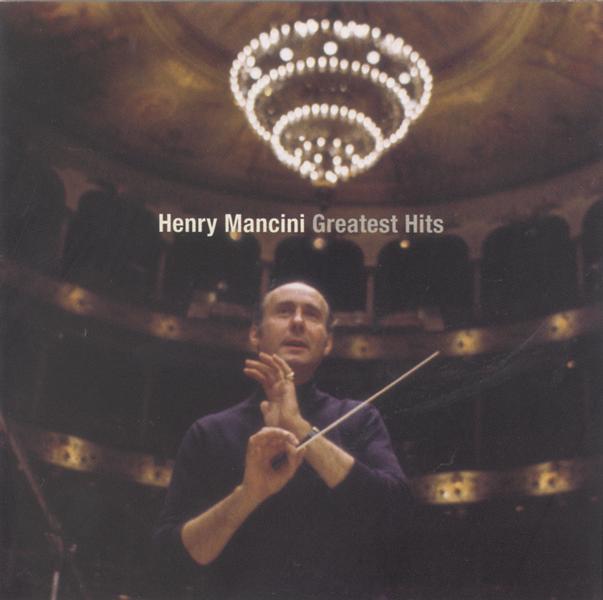
Listening to Cinema Italiano: Music Of Ennio Morricone & Ni by Henry Mancini
Cinema Italiano: Music Of Ennio Morricone & Ni- Album Overview
"Cinema Italiano: Music Of Ennio Morricone & Ni" by Henry Mancini is a tribute to the legendary Italian composer Ennio Morricone, known for his iconic film scores. Released in 1973 under the RCA Victor label, this album showcases Mancini's orchestral brilliance in reinterpreting Morricone's timeless compositions, bridging the worlds of film music and concert hall sophistication. The album features a selection of Morricone's most memorable pieces, including themes from films like "The Good, The Bad and The Ugly" and "Once Upon a Time in the West."
The production saw Mancini collaborating with a team of talented musicians and arrangers, infusing his unique style into Morricone's work while retaining the emotional depth characteristic of the original scores. The recording sessions took place in a rich acoustic environment, which enhanced the lush orchestral textures present throughout the album. Mancini's arrangements allow listeners to experience Morricone's music in a new light, emphasizing the dramatic nuances that make these compositions so enduring.
The album's cultural significance lies not only in its homage to Morricone but also in its role in popularizing film scores as a respected genre in its own right. Mancini's approach demonstrates the crossover potential of film music, appealing to both cinema enthusiasts and classical music aficionados alike. "Cinema Italiano" remains an essential record for anyone looking to explore the cross-section of film and orchestral music, cementing Mancini's legacy as a master composer in his own right while honoring the giant of Italian cinema music.
Review
The album opens with a sweeping orchestral arrangement that immediately captures the listener's attention, drawing them into Mancini's reimagined world of Morricone's themes. Throughout the tracks, Mancini exhibits a profound understanding of the emotional weight of each piece, using dynamics and orchestration to convey a wide range of feelings, from nostalgia to tension. His artistic vision shines through as he balances the original intentions of Morricone's compositions with his unique interpretative flair.
While the album is instrumental, the absence of lyrics allows the music to speak for itself, creating a powerful narrative that resonates with audiences. Each piece is meticulously arranged, showcasing Mancini's ability to craft orchestral textures that evoke vivid cinematic imagery. However, some listeners may find the interpretations more subdued compared to the original film scores, which could detract from the energy found in the cinematic context.
Highlights
- Masterful orchestration that highlights Mancini's talent and understanding of Morricone's work.
- Emotionally engaging arrangements that evoke powerful imagery without the need for lyrics.
- Significant cultural impact in bridging the gap between classical and film music.
Weak points
- Some interpretations may feel restrained compared to the original film scores.
- The lack of vocal elements might alienate those who prefer lyrical content.
- Limited variety in mood across the tracks may lead to repetitive listening experiences.
Overall evaluation
"Cinema Italiano: Music Of Ennio Morricone & Ni" is a commendable tribute to one of cinema's greatest composers, showcasing Mancini's skill in reinterpreting iconic themes. While it may not capture the full dynamism of Morricone's original scores, it offers a reflective and engaging listening experience that appeals to both film score enthusiasts and classical music lovers.
Personal rating: 8/10 1961Mr Lucky Goes Latin