
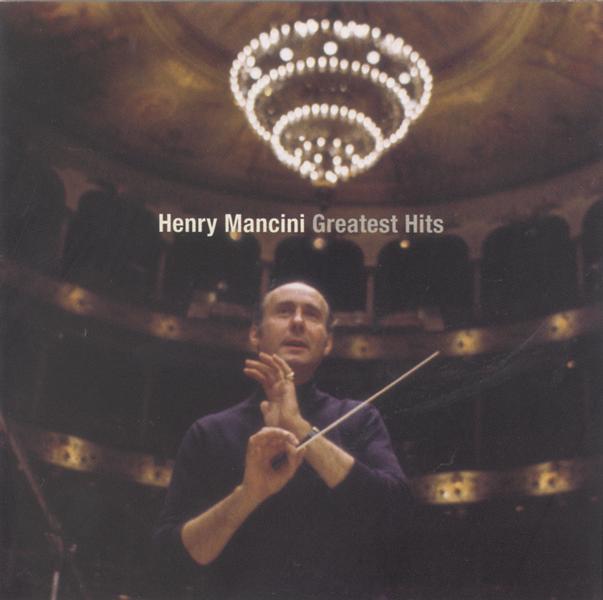
Henry Mancini On The March: the story Henry Mancini wants to tell
Henry Mancini On The March- Album Overview
"Henry Mancini On The March" is an album released in 1968 under the RCA Victor label, showcasing the iconic work of composer and conductor Henry Mancini. Renowned for his ability to blend orchestral arrangements with jazz elements, Mancini has long been celebrated for his contributions to film music, most notably for scores like "The Pink Panther" and "Breakfast at Tiffany's." This particular album focuses on a collection of march-themed compositions, reflecting Mancini's flair for creating memorable and engaging melodies.
The album features a variety of tracks that embody the spirit of the march genre, each arranged with Mancini's characteristic elegance and sophistication. Collaborating with a talented orchestra, Mancini orchestrates a narrative that takes listeners through a lively parade of sound, evoking imagery of marching bands and celebratory events. Notable tracks include "The March of the Siamese Children" from "The King and I," and Mancini's original compositions, which showcase his innovative approach to traditional forms.
Upon its release, "Henry Mancini On The March" received critical acclaim for its production quality and the seamless integration of orchestral and jazz influences. The album further solidified Mancini's status as a versatile composer capable of transcending genres while maintaining his unique artistic vision. With its rich instrumentation and emotive themes, the album not only appeals to fans of film music but also to a broader audience that appreciates the artistry behind orchestral arrangements. Mancini's work continues to resonate, making this album a significant part of his storied career.
Review
The sound of "Henry Mancini On The March" is a delightful exploration of the march genre, reimagined through Mancini's innovative lens. Each track unfolds with meticulous arrangements, showcasing the composer’s ability to weave complex melodies with a sense of grandeur. The orchestration is lush and vibrant, demonstrating Mancini's skill in utilizing a full orchestra to create sweeping soundscapes that evoke a sense of celebration and nostalgia.
While the album does not feature lyrics, the instrumental compositions tell their own stories, inviting listeners to visualize their own narratives. Mancini’s artistic vision shines through in the way he fuses traditional march rhythms with contemporary orchestral sounds, making the album a timeless piece that remains relevant even decades after its release. The sense of joy and exuberance throughout the tracks is infectious, drawing listeners into a world filled with excitement and pageantry.
Highlights
- Exceptional orchestral arrangements that showcase Mancini's mastery of melody and harmony.
- Engaging and vibrant compositions that evoke imagery of parades and celebrations.
- A rich blend of traditional march elements with contemporary orchestral sounds.
Weak points
- Lack of lyrical content may limit appeal to those who prefer vocal music.
- Some tracks may feel repetitive in structure to casual listeners.
- Limited commercial singles may not attract mainstream attention.
Overall evaluation
"Henry Mancini On The March" is a brilliant showcase of the composer's talent and creativity, solidifying his legacy in the world of orchestral music. While it may not cater to every musical taste, it is a must-listen for fans of film scores and orchestral compositions.
Personal rating: 8/10 1961Mr Lucky Goes Latin