
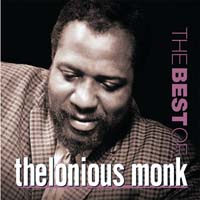
First impressions of Thelonious Monk – More Genius Of Thelonious Monk
More Genius Of Thelonious Monk- Album Overview
"More Genius Of Thelonious Monk," released in 1957, is a notable entry in the jazz canon, presenting a rich tapestry of Monk's innovative style and compositional genius. This album was released under the Riverside Records label, a significant platform for various jazz artists during this era. The recordings were made primarily in the late 1950s, showcasing Monk's idiosyncratic piano playing and complex harmonic structures that have become his trademarks.
Featuring a stellar lineup of musicians, the album includes notable collaborators such as John Coltrane on tenor saxophone, Art Blakey on drums, and Wilbur Ware on bass. These artists contribute to a vibrant sound that blends Monk’s unique approach to rhythm and melody with the broader improvisational spirit of jazz. The tracklist includes classics like "Well, You Needn't" and "In Walked Bud," which highlight Monk’s ability to combine intricate melodies with a playful sense of rhythm.
The cultural significance of "More Genius Of Thelonious Monk" cannot be overstated. Monk was a key figure in the development of bebop and jazz as a whole, and his idiosyncratic style challenged traditional jazz conventions, paving the way for future generations of musicians. This album, along with its predecessor "Genius of Modern Music," solidified Monk's reputation as one of the most original voices in jazz. The release of this album not only showcased Monk's evolving artistry but also reinforced his role as a pivotal figure in the American music landscape during the mid-20th century.
Review
The sound of "More Genius Of Thelonious Monk" is instantly recognizable, breathing life into the jazz idiom with Monk's distinctive piano style. His unconventional harmonic choices and unexpected rhythmic shifts create an engaging listening experience. The interplay between Monk and Coltrane is particularly noteworthy; their dialogue showcases the tension and release that make jazz so compelling. Monk's compositions are deceptively simple yet profoundly intricate, inviting listeners to explore the depths of his musical ideas.
While there are no lyrics to dissect in a traditional sense, the emotional weight conveyed through the instrumentation speaks volumes. Each track serves as a narrative, illustrating Monk's artistic vision and his understanding of the complexities of human emotion. The overall tone of the album oscillates between joyous exuberance and contemplative introspection, reflecting Monk's multifaceted personality.
Highlights
- Exceptional collaboration with legendary musicians enhances the album's depth.
- Innovative compositions that showcase Monk's unique harmonic approach.
- A perfect balance of playful rhythm and serious musicality throughout the tracks.
Weak points
- Some listeners may find Monk's style challenging due to its unconventional nature.
- The album's length may feel limited for those wanting a more extensive exploration of Monk's genius.
- Production quality, typical of the era, may not appeal to modern listeners accustomed to cleaner recordings.
Overall evaluation
"More Genius Of Thelonious Monk" stands as a testament to Monk's legacy in the jazz genre, encapsulating his innovative spirit and unmatched artistry. While it may present challenges for some listeners, its brilliance is undeniable, making it essential listening for jazz enthusiasts.
Personal rating: 9/10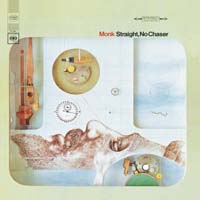 1967Straight, No Chaser
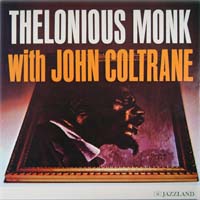 1961Thelonious Monk with John Coltrane
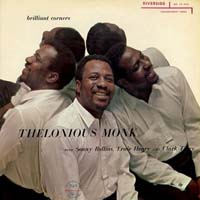 1957Brilliant Corners