
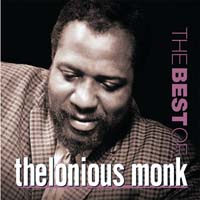
Review of Thelonious Monk – Genius of Modern Music
Genius of Modern Music- Album Overview
"Genius of Modern Music," released in 1956, is a pivotal album in the career of Thelonious Monk, one of the most innovative figures in jazz history. This double LP was issued by Blue Note Records, a label renowned for its contributions to jazz music. The album is a compilation of earlier recordings made between 1947 and 1952, showcasing Monk's unique compositional style and distinctive piano playing. The tracks feature collaborations with prominent jazz musicians such as Johnny Griffin, Art Blakey, and Coleman Hawkins, contributing to the rich sound and innovative arrangements that define the album.
The production of "Genius of Modern Music" marked a significant moment in jazz, as it highlighted Monk's ability to blend dissonance with melody, creating complex yet accessible compositions. The album includes standout tracks such as "Round Midnight," which has become a jazz standard, and "Well, You Needn't," both of which showcase Monk's idiosyncratic approach to rhythm and harmony. The album's release coincided with a burgeoning interest in modern jazz, and Monk's contributions played a critical role in shaping the genre's evolution during the mid-20th century.
Musically, "Genius of Modern Music" is characterized by Monk's unique approach to improvisation and his use of unconventional chord progressions. The cultural significance of this album cannot be overstated, as it helped to establish Monk as a leading figure in the jazz community and influenced countless musicians who followed. The fusion of intricate melodies with spontaneous rhythms on this album reflects the spirit of experimentation that defined the era, solidifying its place in the pantheon of jazz masterpieces.
Review
The sound of "Genius of Modern Music" is both celebratory and introspective, a testament to Monk's artistic vision. His piano work is marked by bold, percussive strikes and a playful use of space, which creates an engaging listening experience. The album's tracks, while rooted in the bebop tradition, often veer into more avant-garde territory, showcasing Monk's willingness to challenge convention. The arrangements are stripped down yet complex, allowing Monk's genius to shine through without unnecessary embellishments.
In terms of lyrical content, the album primarily emphasizes instrumental compositions, though the titles and structure of the pieces often convey a narrative quality. Monk's playful yet profound approach to melody invites listeners to engage with the music on a deeper level, evoking a range of emotions from joy to contemplation. Overall, the album encapsulates the essence of Monk's artistic vision, which bridges the gap between traditional jazz and modern exploration.
Highlights
- Innovative compositions that blend melody with dissonance.
- Collaborations with renowned jazz musicians enhance the album's richness.
- Tracks like "Round Midnight" and "Well, You Needn't" have become jazz classics.
Weak points
- The compilation nature may feel disjointed to some listeners.
- Monk's unconventional style may not appeal to all jazz fans.
- Limited vocal elements may leave some craving lyrical depth.
Overall evaluation
"Genius of Modern Music" is a landmark album that encapsulates the innovative spirit of Thelonious Monk and the jazz movement of its time. While it presents some challenges for those unaccustomed to Monk's unique style, the album remains an essential listen for anyone interested in the evolution of jazz.
Personal rating: 9/10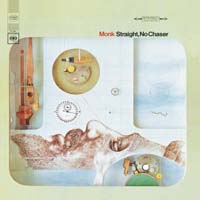 1967Straight, No Chaser
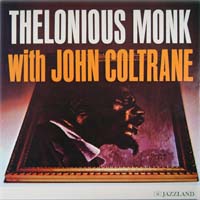 1961Thelonious Monk with John Coltrane
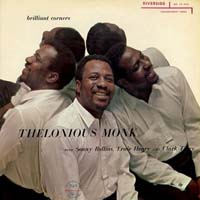 1957Brilliant Corners